
MKV Movies Download Method: Secure Guide to Quality Backups

Summary: To download movies as MKV files, choose direct download for authorized access where permitted, disc-to-MKV for lawfully owned media, or remuxing or conversion for an existing file. The right route depends on authorization, required tracks, and whether your target player can handle the finished file.
Table of Contents
Choose the Right MKV Workflow
Before you begin: Confirm that you have authorized access to the source, enough local storage, a target device or media client, and a clear list of the audio and subtitle tracks you need.
This guide compares direct downloading where it is authorized, disc-to-MKV workflows, and converting or remuxing a file you already have. It also covers MKV versus MP4 quality and compatibility, download settings, post-download checks, and the U.S. copyright boundaries that apply before you save a local file.
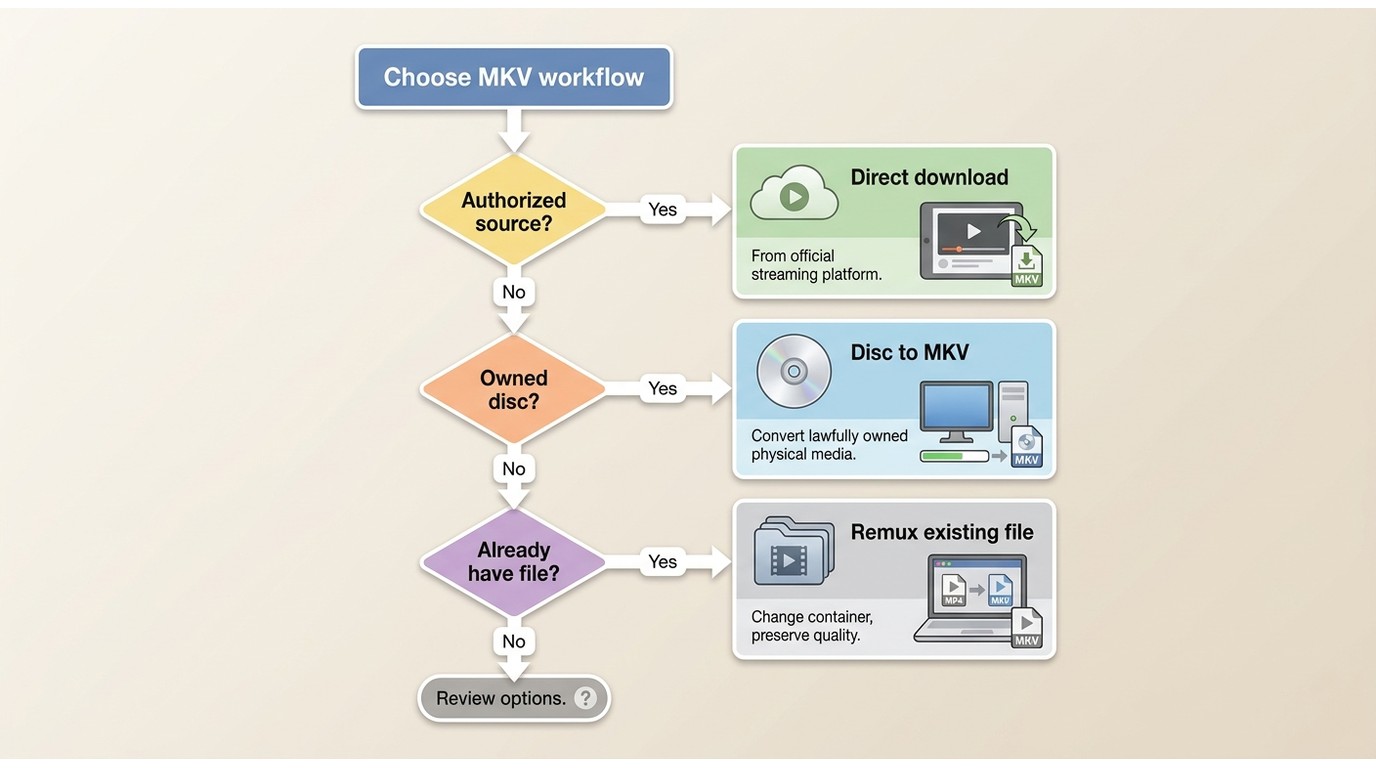
Direct Download to MKV
Use this route for content you are authorized to access when the service terms and applicable law permit a local-file workflow. It is useful when you need selectable audio, subtitle, or metadata options.
Downloading and recording are different workflows, and the distinction matters when choosing the output and preservation method: the difference between downloading and recording.
Rip a Lawfully Owned Disc
A disc-to-MKV workflow is best when the source is a disc you own and you need to preserve its available tracks and chapters. Ownership alone does not settle every copying question, because copyright restrictions and technical-protection rules can apply separately. Ripping also cannot improve the quality of the original disc.
Convert or Remux an Existing File
Use conversion when the current video or audio codec is unsuitable for the target device. Use remuxing when compatible streams can move into a different container without re-encoding. My editorial rule is simple: decide from the source, required tracks, and target player, not from the file extension alone.

Safety and U.S. Copyright Boundaries
Before we start download streaming video, let's address the elephant in the room: safety and legality. This is the core of all questions and where most people get confused.
Authorization Matters More Than Payment
In the United States, paying for a disc or a streaming subscription does not automatically grant permission to make every type of copy. Authorization, license terms, copyright rules, and technical-protection restrictions are separate considerations. Unauthorized downloading and distribution of copyrighted movies can infringe copyright.
Fair use is a fact-specific legal doctrine, not an automatic personal-copy permission. A streaming subscription commonly provides access under a license, while an official in-app download is typically managed by that platform and is not the same as a generic MKV file. For 4K sources, authorization and device requirements both matter when considering how to download 4K movies legally.
Before using any workflow, confirm that the source is authorized, follow the relevant service terms, and keep any local use within applicable law. Do not treat payment or non-distribution as a blanket permission.
Avoid Deceptive Download Sources
I've made mistakes in my younger days. I saw a link to a "free movies" site on Reddit, clicked on it, and my computer turned into a Christmas tree of pop-up ads. And that wasn't even the worst part.
- Malware: Many so-called
.mkvfiles are actually disguised.exeexecutable files. Double-click it, and ransomware or a Trojan moves into your system. - Phishing: "Please register before downloading!"—after you enter your email and password, your account information might be compromised.
- ISP Warnings: Privacy software does not authorize a download, and it does not make a disguised executable or another malicious file safe. Focus on authorized sources, visible file extensions, and security scanning instead.
Practical advice: Avoid unverified movie-download pages, including pages that promote Korean drama downloads through misleading buttons or unexpected installers. A real MKV file should not require you to run an executable first.
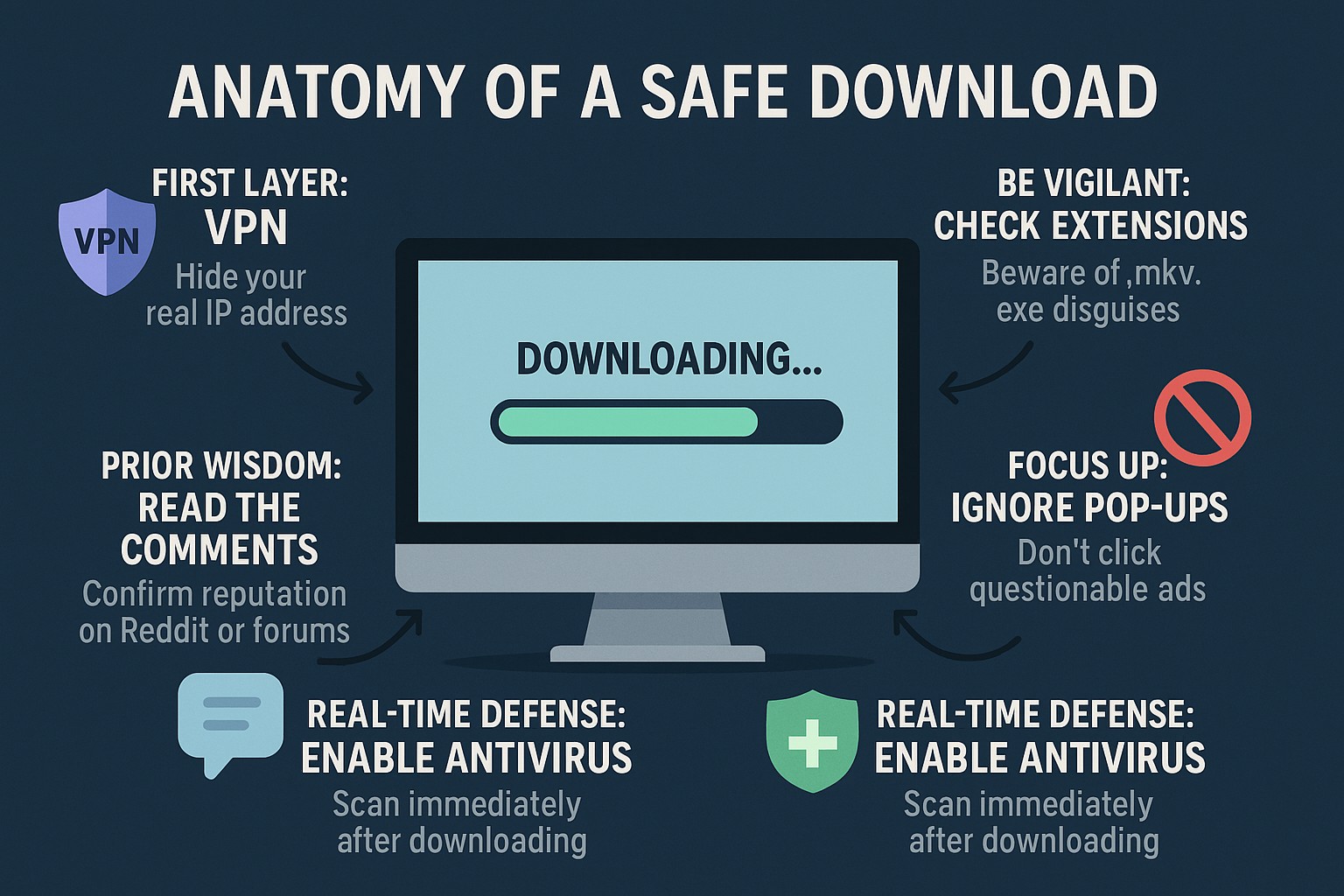
My 5-Point Safety Checklist Before You Download Anything
I have seen too many people click a "Free Download" button only to have their PC turn into a billboard for pop-up ads. In my experience, skipping the basics is how you end up with a virus or a warning letter from your ISP.
Whichever method you use, please follow this checklist, which I've learned from painful experience:
- Confirm the source and file type:A VPN does not make an unauthorized download lawful or make a malicious file safe. Use authorized sources and inspect the file type before opening it.
- Check File Extensions: Don’t accidentally grab an .exe instead of an .mkv file. In Windows, turn on “Show file extensions” to help spot fakes.
- Read Community Reviews: If you see a tool recommended on a forum, definitely skim a few user comments; sometimes people are honest, sometimes not.
- Enable Antivirus Software: Keep your antivirus software updated with real-time protection on.
- Stay Away from Flashy Ads: Those “Win an iPhone!” ads? Just avoid them.
MKV vs. MP4 for Your Devices
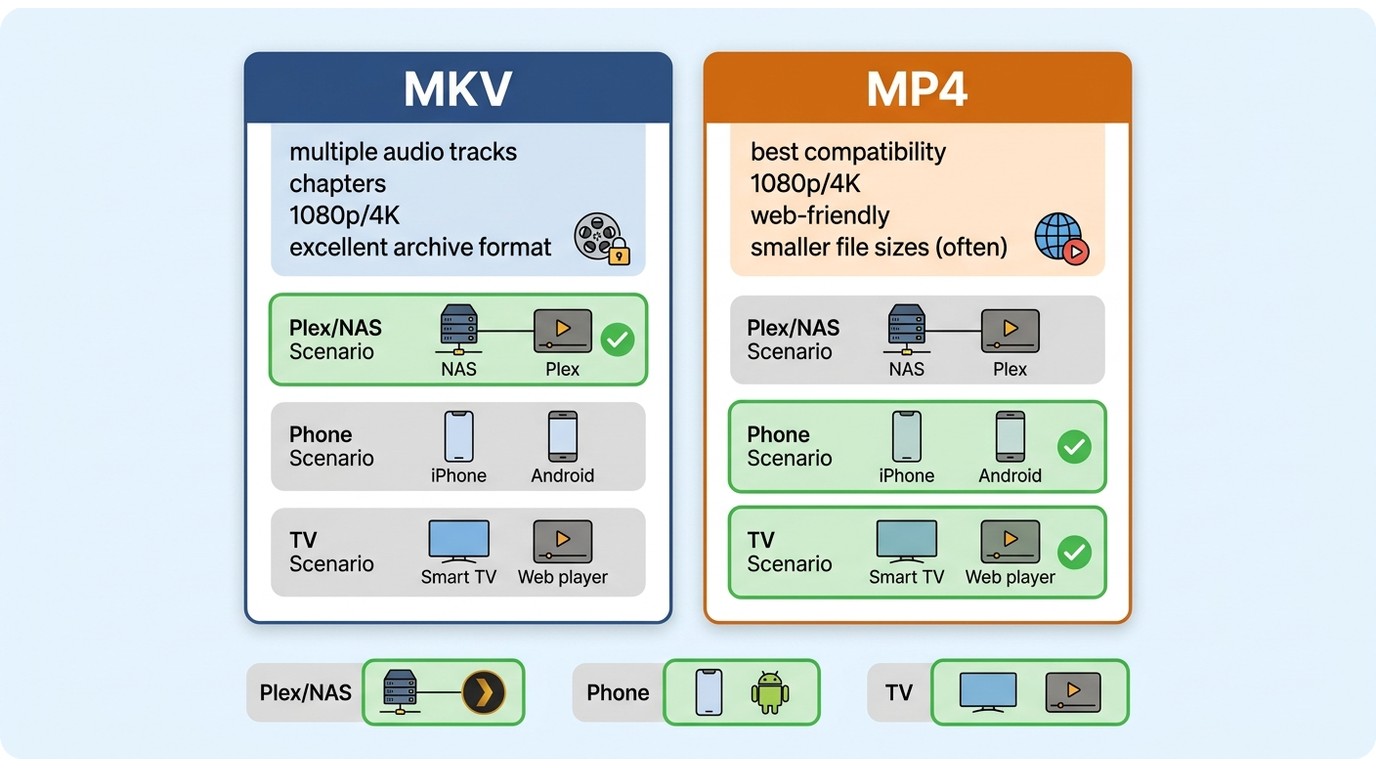
MKV and MP4 are containers, so neither one inherently determines picture quality. The encoded video, audio, subtitle tracks, and the target player determine the result. MKV generally suits track-rich local libraries, while MP4 movie downloads are often easier to play across phones, TVs, and web-based players.
| Consideration | MKV | MP4 |
|---|---|---|
| Best use case | Local libraries with multiple tracks and chapters | Broad everyday device playback |
| Picture quality | Depends on the encoded streams | Depends on the encoded streams |
| Audio and subtitle tracks | Flexible support for multiple tracks | Supported, with more device-dependent limits |
| Chapters and metadata | Well suited to detailed library organization | Supported, but implementation varies by player |
| Codec support | Depends on the player and codecs inside the file | Depends on the player and codecs inside the file |
| When remuxing is enough | When streams are already compatible with MKV | When streams are already compatible with MP4 |
Set MKV Quality Before Downloading
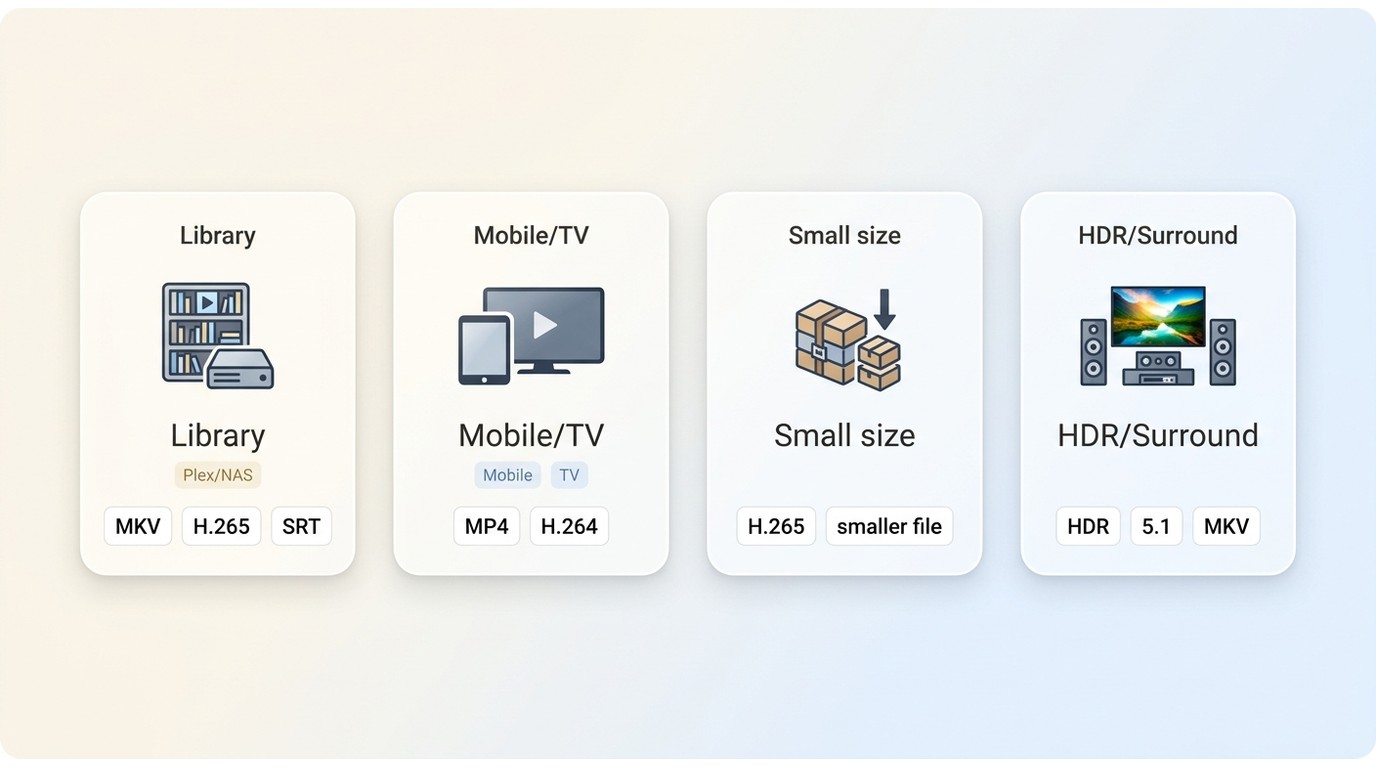
Choose settings only after checking the source, your target player, available storage, and whether you need multiple audio or subtitle tracks. The highest listed option is not automatically the best choice if your TV, media server, or mobile device cannot direct-play it.
| Goal | Settings to prioritize | Compatibility tradeoff |
|---|---|---|
| Plex or NAS library | MKV, descriptive track names, chapters, embedded or external subtitles | Some clients may transcode unsupported codecs or subtitles |
| Widest TV and mobile support | MP4, broadly supported video and audio codecs, simple subtitle options | Less flexibility for complex track collections |
| Smaller local files | H.265 where the target device supports it | Older hardware may decode H.264 more reliably |
| Surround sound | Keep the preferred multichannel track when the receiver supports it | Some clients may fall back to stereo or transcode |
| HDR playback | Match HDR format to the display and player | Unsupported HDR formats can cause color or tone-mapping issues |
| Subtitle preservation | Choose embedded tracks or external SRT based on the client | Image-based subtitles can trigger transcoding on some clients |
For track-rich libraries, preserve the audio tracks for movies in multiple languages that you actually use and choose subtitle handling that matches your player. StreamFab subtitle options can include embedded or separate subtitle files, but client support should guide the final choice.
Download Movies to MKV with StreamFab
For readers comparing an MKV movies downloader, StreamFab is a desktop option for Windows and Mac users who are authorized to access the content and want a local-file workflow where platform terms and applicable law permit it. Compared with an official temporary platform download, it fits readers who need selectable tracks, batch handling, and library-ready MP4 or MKV output. It is less suitable when an official temporary mobile download is enough or when the target device cannot play the selected codecs.
Who This Workflow Suits

StreamFab can save authorized content to MKV or MP4 with service- and title-dependent options for video, audio, subtitles, and metadata.
StreamFab has a free plan with feature limits; paid-plan pricing is listed on its official product page (as of July 2026).
- Available video quality and audio-track choices depend on the analyzed service and title.
- H.265 may improve storage efficiency at comparable perceived quality, but device support should be checked first.
- Ad handling depends on the service and the selected workflow.
- Selectable subtitles and metadata can help prepare a file for a Plex or NAS library.
Four-Step MKV Download Workflow
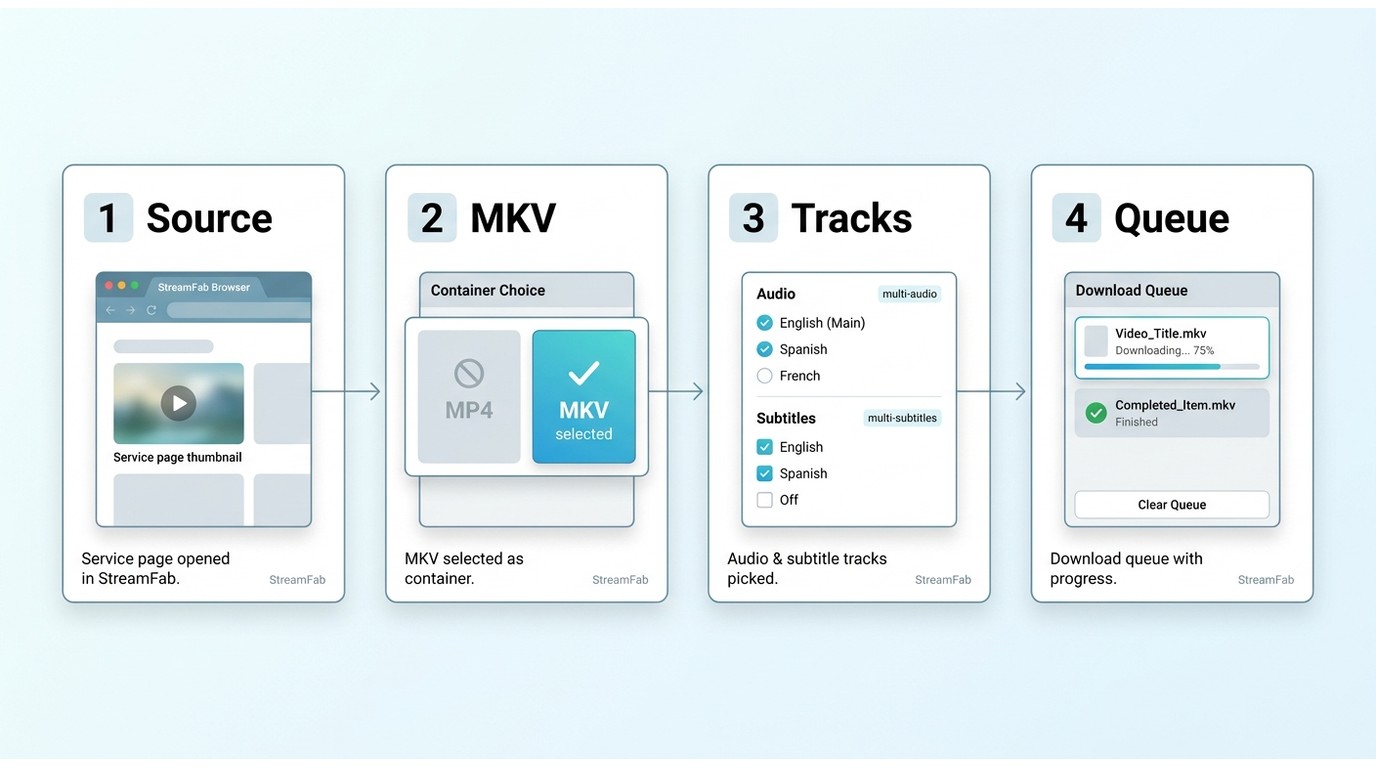
Open or paste an authorized source, choose MKV where that container is available, inspect the analyzed video, audio, and subtitle choices, then download now or add the item to the queue.
Supported services and available options may change; review the analysis window before starting and check StreamFab’s official site for current availability.
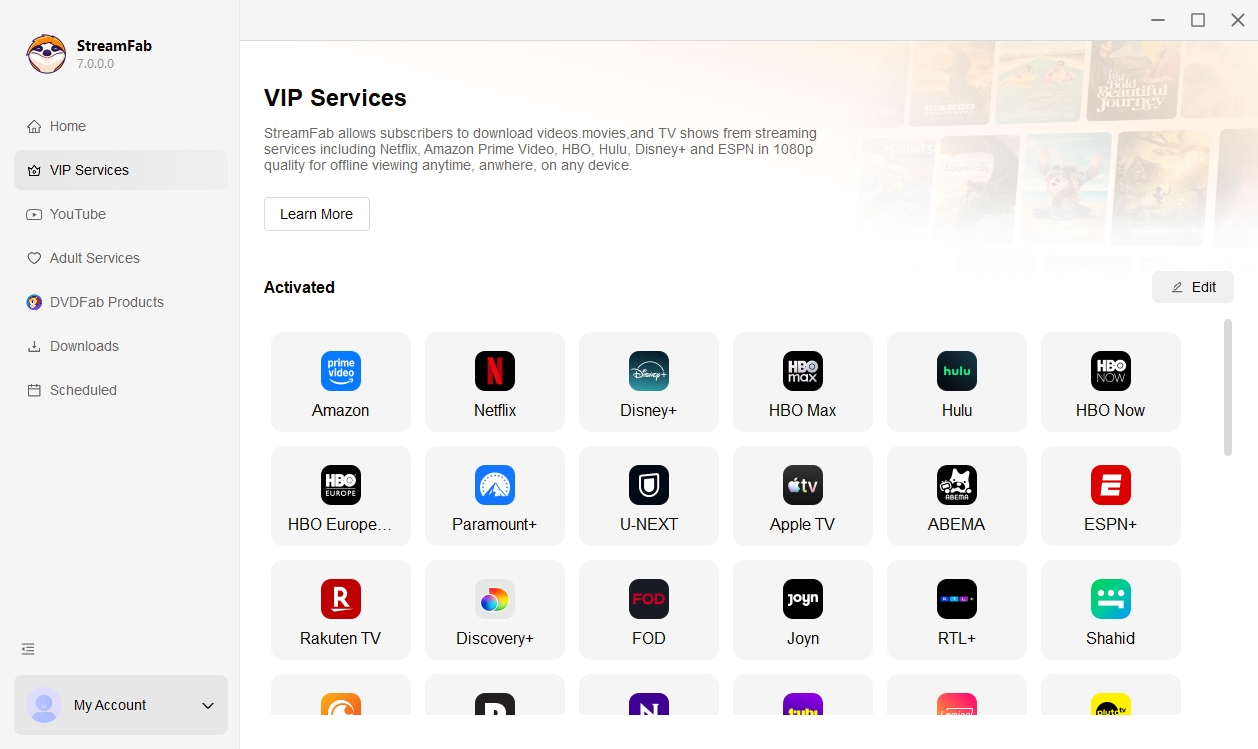
Open StreamFab and choose your service from the VIP section or paste a URL directly into the bar.
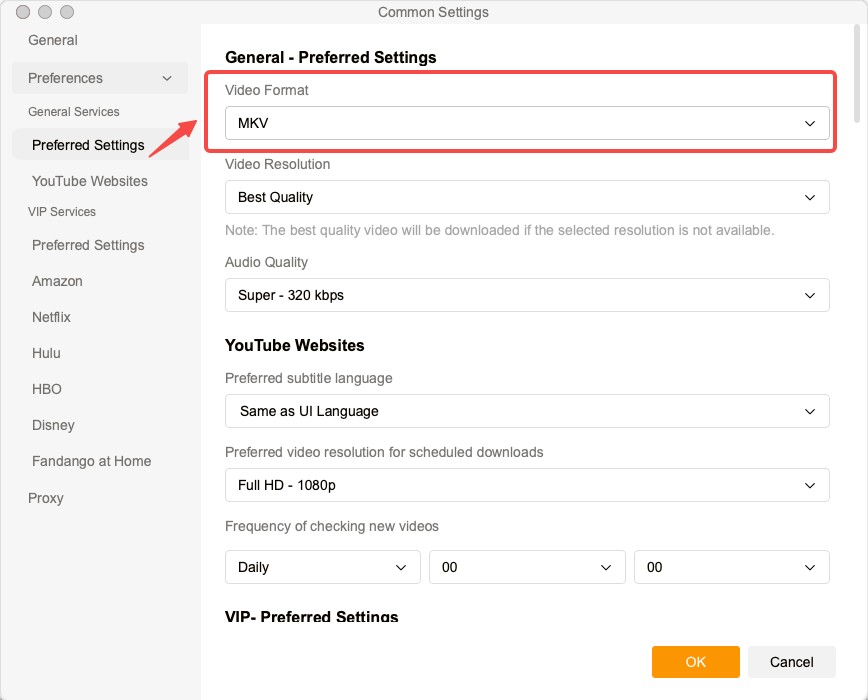
Go to "Setting", select "MKV" as the default output format, by doing so, all the videos downloaded later will be archived as .mkv files automatically.
Then, choose the streaming service you want to download from, log in with your valid streaming account. When you play the video, a window will pop up for you to customize. Choose H.265 (HEVC) for the video and EAC3 5.1 for the audio to get the best surround sound experience.
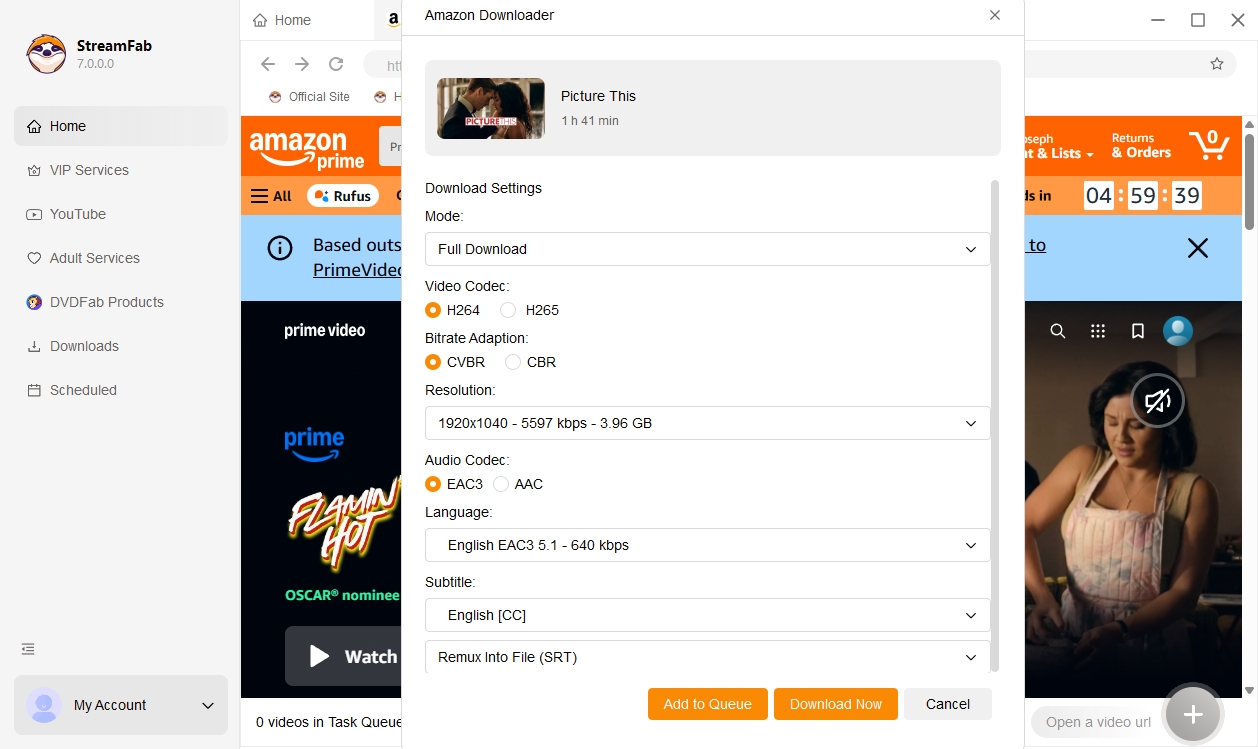
- Container: Choose MKV. It's the most flexible, as it can package multiple audio and subtitle tracks.
- Codec: Prioritize H.265 (HEVC). It's more advanced than H.264 and can reduce file size by about 30-50% while maintaining the same quality.
- Audio: Choose EAC3 5.1. This is a common surround sound format used by streaming platforms and provides a great audio experience.
Click "Download Now" to start the process or add it to your queue for overnight batching.
Verify and Organize Your MKV Library
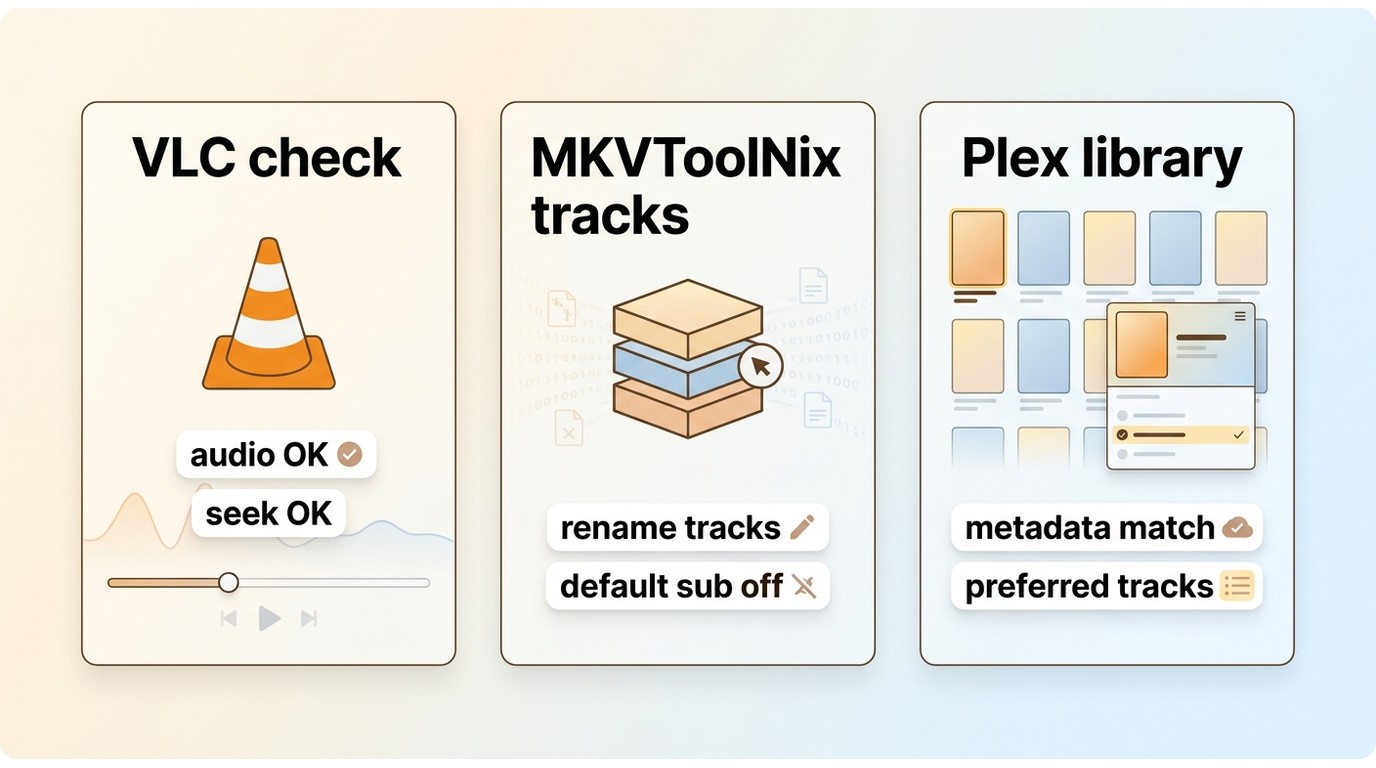
Test Playback and File Integrity
A completed download is not automatically an archive-ready file. Before importing it into a library, seek through several points in the movie, test the main audio and subtitle tracks, compare the duration with the source listing, and watch for freezes, missing frames, or tool-reported errors. Redownload a visibly damaged file instead of archiving it.
Name Tracks and Set Defaults
For multi-track libraries, review language codes, descriptive track names, track order, and default or forced subtitle flags. MKVToolNix can remux compatible streams and edit these labels without re-encoding the video. This cleanup is useful when several dubs share a language, but it is unnecessary for a simple single-track file.
Check Metadata in Plex or a NAS
Confirm the title, episode information, cover art, and preferred tracks in Plex, Jellyfin, or your NAS media app. A file that plays on a computer can still trigger transcoding in a library client because of its video, audio, subtitle, bandwidth, or server settings.
Common MKV Playback Fixes
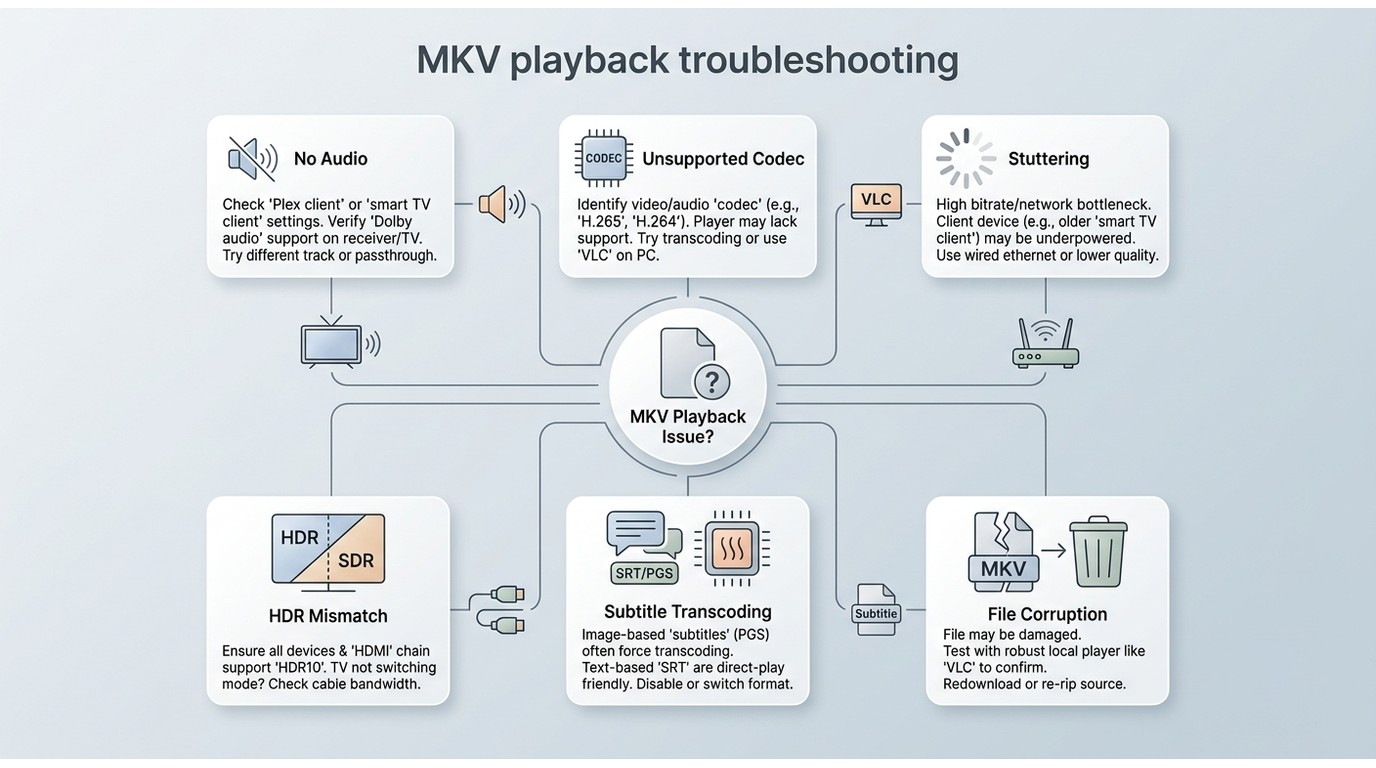
An MKV playback problem can come from an unsupported video, audio, subtitle, or HDR format, limited hardware decoding, client behavior, or file damage. Diagnose the streams and player support before blaming the MKV container itself.
No Audio or Unsupported Codecs
First, test the file in a player with broad codec support. If the file plays there but not in your usual app, the issue is likely the client’s audio, video, or subtitle support rather than the container. Then check the selected track, receiver support, and whether the file reports an error.
Stuttering, HDR, and Color Shifts
Stuttering can result from unsupported codecs, limited hardware decoding, client transcoding, or a damaged file. For washed-out colors or green and pink tints, confirm that the TV, player, and HDMI path support the HDR format in the file. Image-based subtitles can also trigger transcoding on some media clients.
FAQs on MKV Download
These quick answers cover container changes, quality limits, media-server transcoding, and subtitle handling without repeating the main workflow.
Conclusion
Choose the MKV workflow from the source and authorization first, then decide whether multiple tracks, subtitles, chapters, and library metadata matter more than broad device compatibility.
MKV is often the better fit for track-rich local libraries, while MP4 can be simpler for many devices. StreamFab is one desktop workflow for eligible local-file use, but the finished file should still be tested and organized before it enters a media library.
Confirm that the source and local-file workflow fit the relevant authorization, service terms, and applicable law.
- Test video continuity, audio tracks, subtitle tracks, and HDR playback on the device or media client you plan to use.
- Review file names, track labels, language tags, and default flags before importing the file into a library.
Keep the workflow practical: source first, track needs second, and device compatibility before selecting premium codecs.

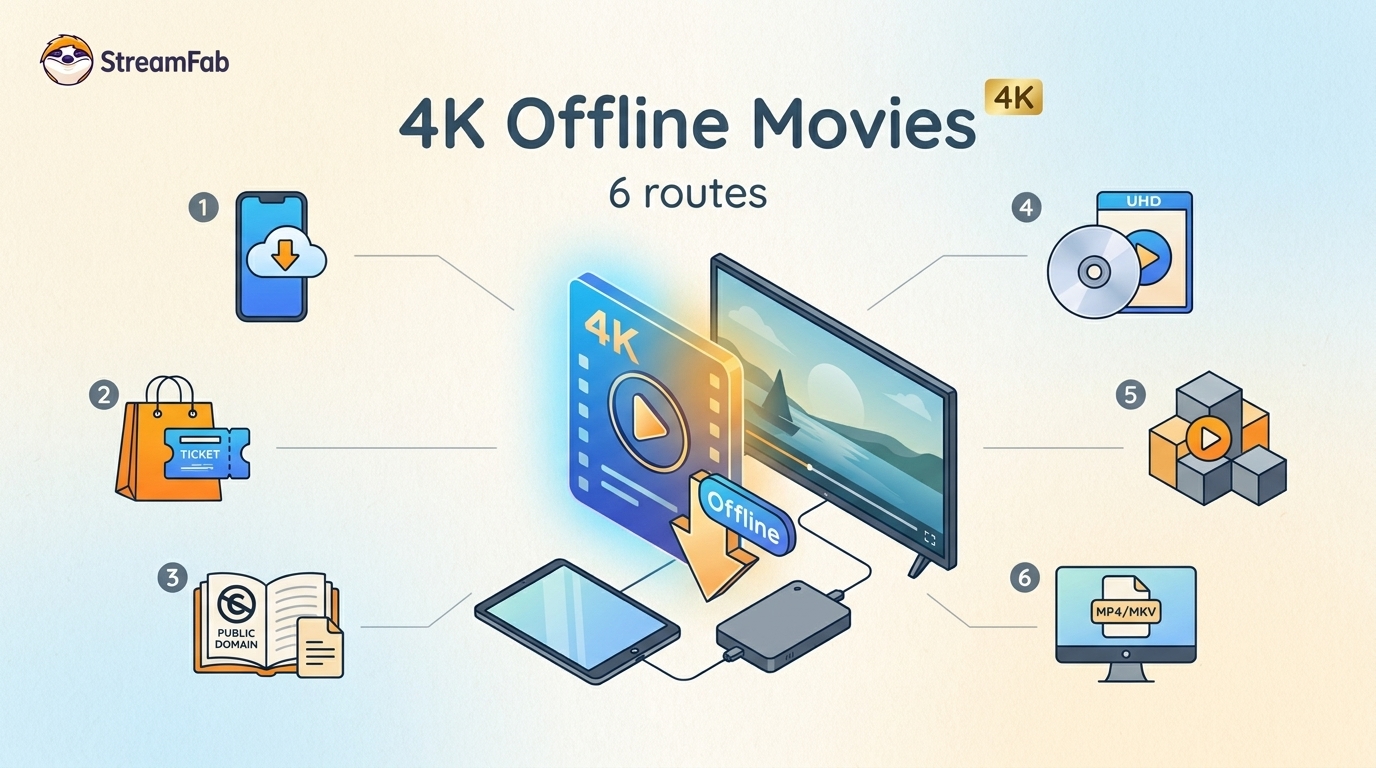
Legal 4K movie downloads do not all provide the same kind of offline access. Most mainstream services offer app-locked downloads, while portable movie files, UHD Blu-ray, public-domain media, and authorized desktop workflows involve different quality, cost, device, and licensing limits.
By Jacob Harrison - Aug 12, 2026
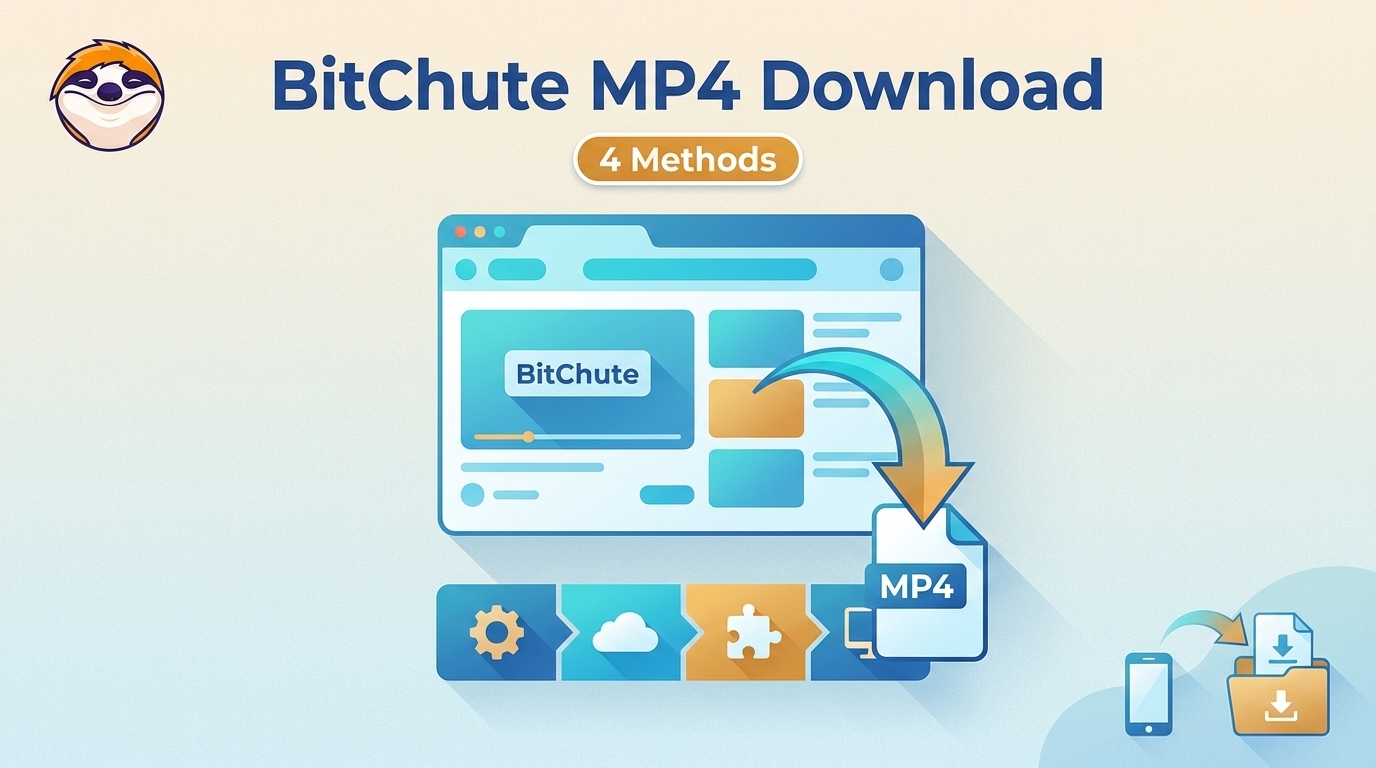
To get straight to the point, you can download a BitChute video as MP4 through its download icon: open the video, then use Save As. For authorized content where permitted, this guide explains when desktop, Android, or browser alternatives make sense.
By Marcia Hatcher - Aug 11, 2026
Looking to convert a link to MP4 in 2026? I've systematically tested top desktop and online converters to bypass Widevine DRM, dynamic tokens, and geoblocking for seamless PC and Android extraction.
By Jacob Harrison - Aug 7, 2026

Hotstar is no longer a standalone US service. Here are the two realistic paths US viewers have to download JioHotstar or former Hotstar movies.
By Jacob Harrison - Aug 7, 2026