
5 Ways to Download Streaming Videos in 2026

Summary: Downloading streaming videos starts with identifying the stream type: direct files, segmented HLS or DASH streams, subscription services, and live broadcasts can require different workflows. That is why a browser’s Save Video command may fail even when playback works. This guide compares five practical routes for offline viewing.
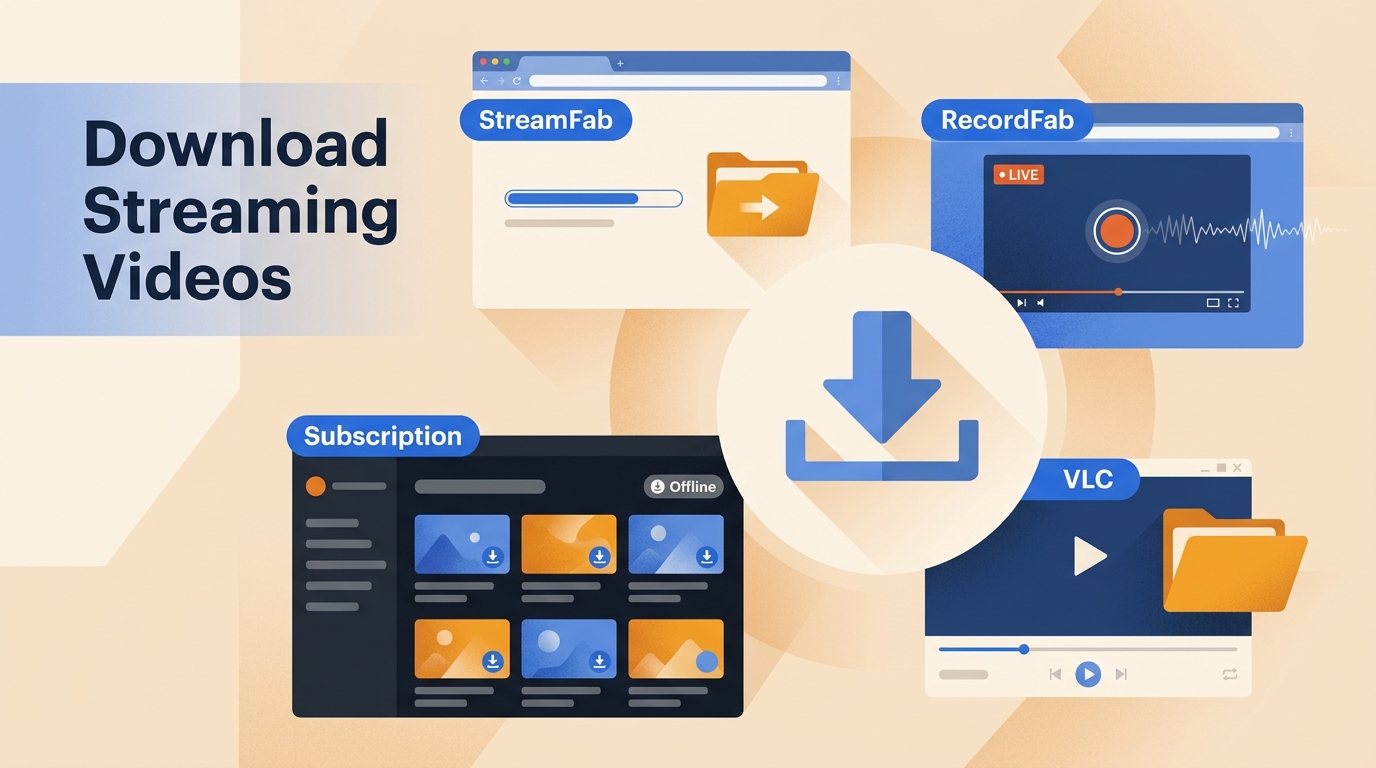
Table of Contents
I have seen the same problem repeatedly: readers try to download movies from streaming services with whatever tool appears first, then hit an unrecognized URL or an unplayable file. My rule is to identify the stream type before choosing a tool, because most failures begin with a method mismatch.
This guide compares five ways to download streaming videos: browser extensions, online URL tools, Developer Tools or stream utilities, desktop clients, and live-stream recording. Direct video files, HLS or DASH streams, subscription services, and live broadcasts can require different saving workflows.
Choose the Right Streaming Video Method
Start with the type of stream and the file you need, not a product name. The comparison below shows where each approach fits and where it tends to break down.
For me, the decision is straightforward: use lightweight tools for simple public files, choose a supported desktop workflow when file controls matter for on-demand video, and use recording when the event is live.
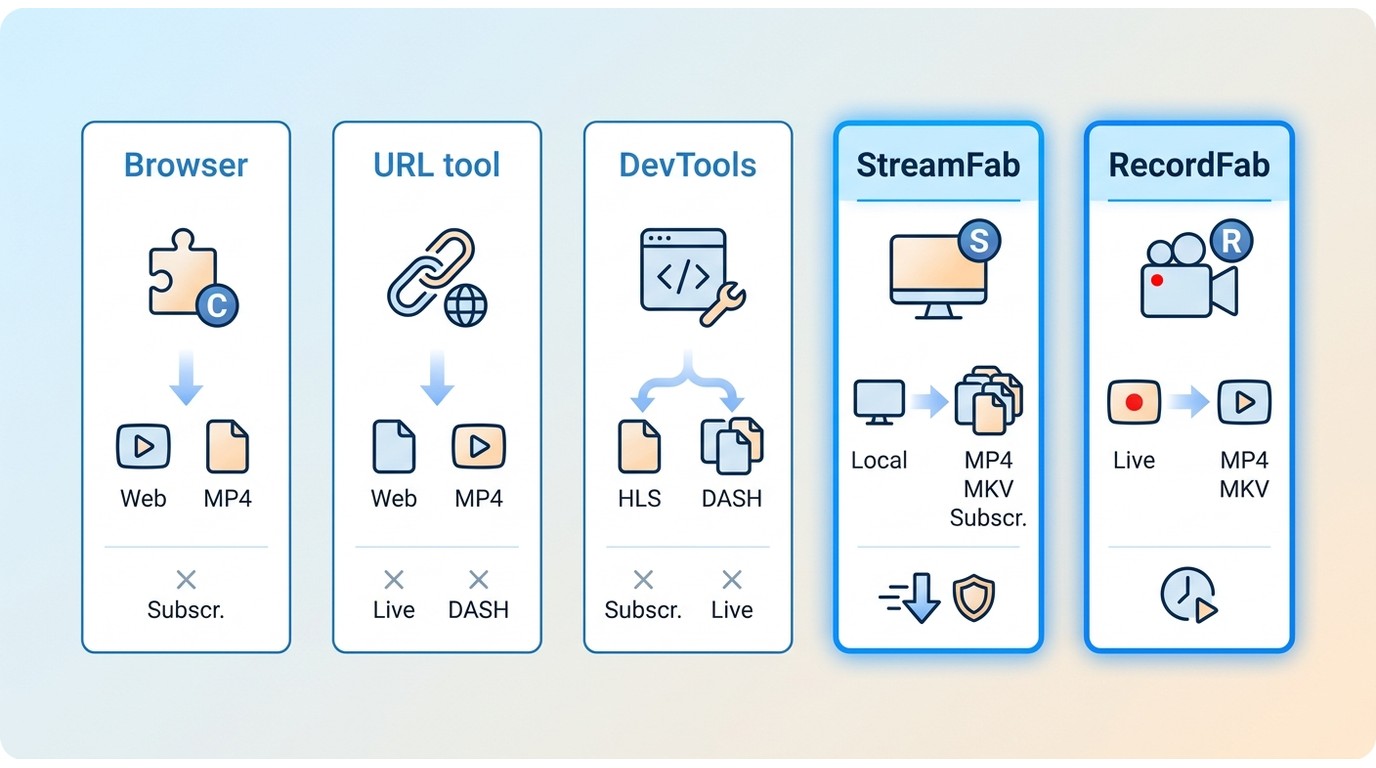
| Method | Output format | Speed | Quality and subtitle control | Live-stream support | Main limitation |
|---|---|---|---|---|---|
| Browser extension | Usually the site’s offered file | Fast when a direct file is available | Limited | Rarely | Often cannot detect segmented or protected playback |
| Online URL downloader | Usually MP4 when available | Depends on the service and file size | Limited | Rarely | Login-based, segmented, and protected streams may fail |
| Developer Tools or stream utility | Depends on the stream and utility | Varies by network and stream structure | More manual control | Sometimes | Requires technical context and does not solve access restrictions |
| Desktop client | MP4 or MKV, where supported | Designed for repeat tasks | Service-dependent audio, subtitle, and output choices | No | Compatibility can change after a service update |
| Live-stream recorder | Recorded local video file | Runs in real time | Depends on the recording setup | Yes | Not the efficient choice for on-demand video with a direct file workflow |
Whether you are using legal free movie streaming sites or premium platforms, playback can change when a service updates its site or stream delivery. A tool that worked for one title may not recognize the next one.
Desktop clients are useful when a supported on-demand service offers the local-file controls you need, but they are not the right answer for every stream. A live broadcast, a simple public MP4, and a segmented subscription stream call for different tradeoffs.
1. StreamFab for On-Demand Streaming Videos
For content you’re authorized to access, where permitted by platform terms and applicable law, StreamFab fits supported on-demand services when you want a local-file workflow. It can provide source-dependent video and audio choices, MP4 or MKV output, subtitles, batch tasks, and scheduled tasks. The distinction between downloading and recording matters here because each workflow has different limits.
It is not ideal for live broadcasts, and a service update can temporarily affect a supported title or URL. I would test the exact service, title, operating system, and output settings you need before relying on any desktop workflow.

StreamFab is a desktop workflow for supported on-demand services, with MP4 or MKV output and source-dependent video, audio, subtitle, batch, and scheduling options.
- Save supported on-demand videos for offline viewing, where permitted by each service’s terms.
- Choose source-dependent video quality, audio tracks, and output settings where available.
- Use batch and schedule modes for supported tasks.
- Save subtitles in available output options alongside your videos.
- Access online customer support, email assistance, and an active user forum.
Before choosing a paid desktop workflow, compare its support for your actual service and output needs with StreamFab alternatives. A lower-cost option is not automatically a better fit if it cannot handle the stream type or file settings you need.
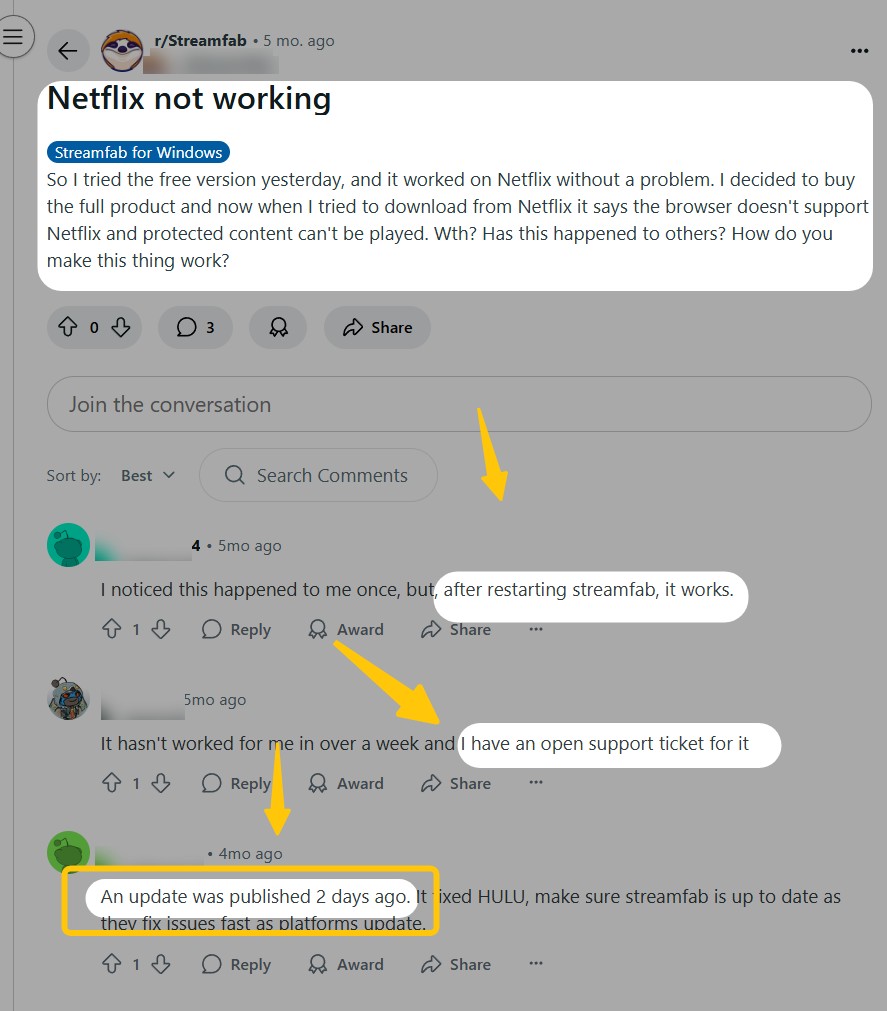
StreamFab reviews can help narrow the field, but a trial is most useful when you evaluate the service, title, output format, and playback device that matter to you.
MP4, MKV, and Device Compatibility
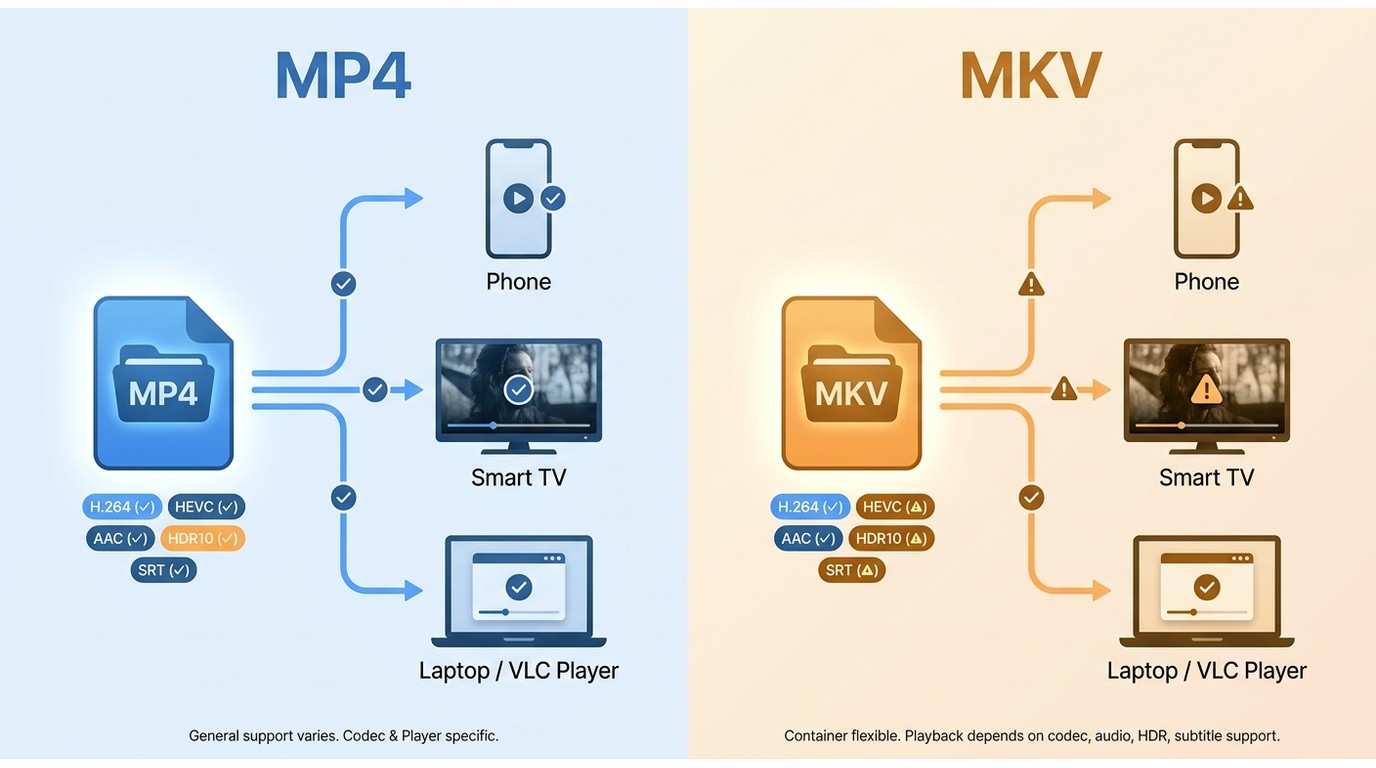
MP4 and MKV are containers, not playback guarantees. The video codec, audio format, HDR profile, subtitle type, and the target player all affect whether a file works on a phone, smart TV, or media player.
| Format | Usually suits | Watch for |
|---|---|---|
| MP4 | Broad device compatibility and straightforward playback | Codec, HDR, and audio support can still vary by device |
| MKV | Multiple audio tracks, subtitles, and more flexible media setups | Some TVs and mobile players do not support every MKV combination |
My default is MP4 when the file needs to travel across devices. MKV is the better fit when multiple audio or subtitle tracks matter and the target player supports them. Remuxing is enough when the streams are already compatible and only the container needs changing; conversion is needed when the codec, HDR profile, audio, or subtitle format is incompatible.
Download On-Demand Videos in 4 Steps
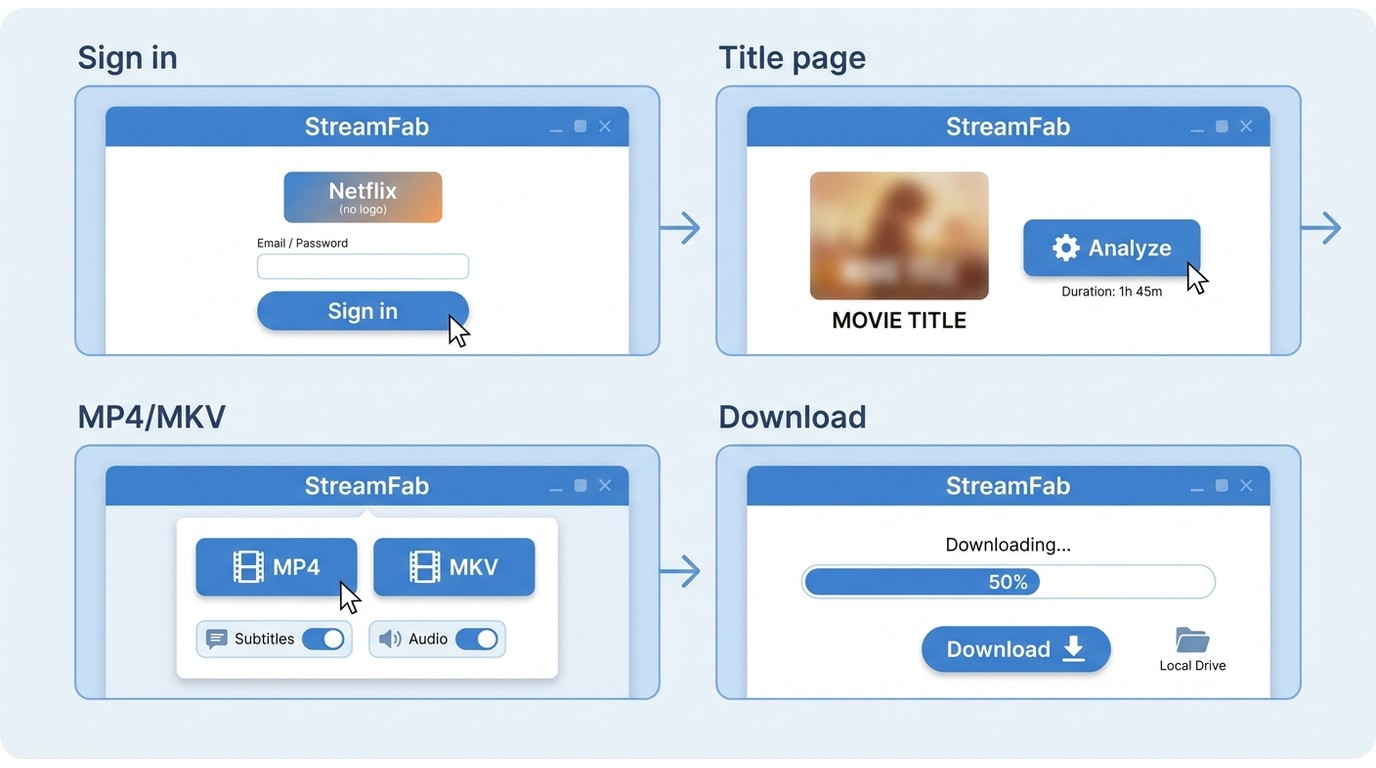
Before starting, sign in only to an account you are authorized to use and keep the workflow within the platform’s terms and applicable law. For supported services and titles, available playback or pasted-URL analysis can present output options.
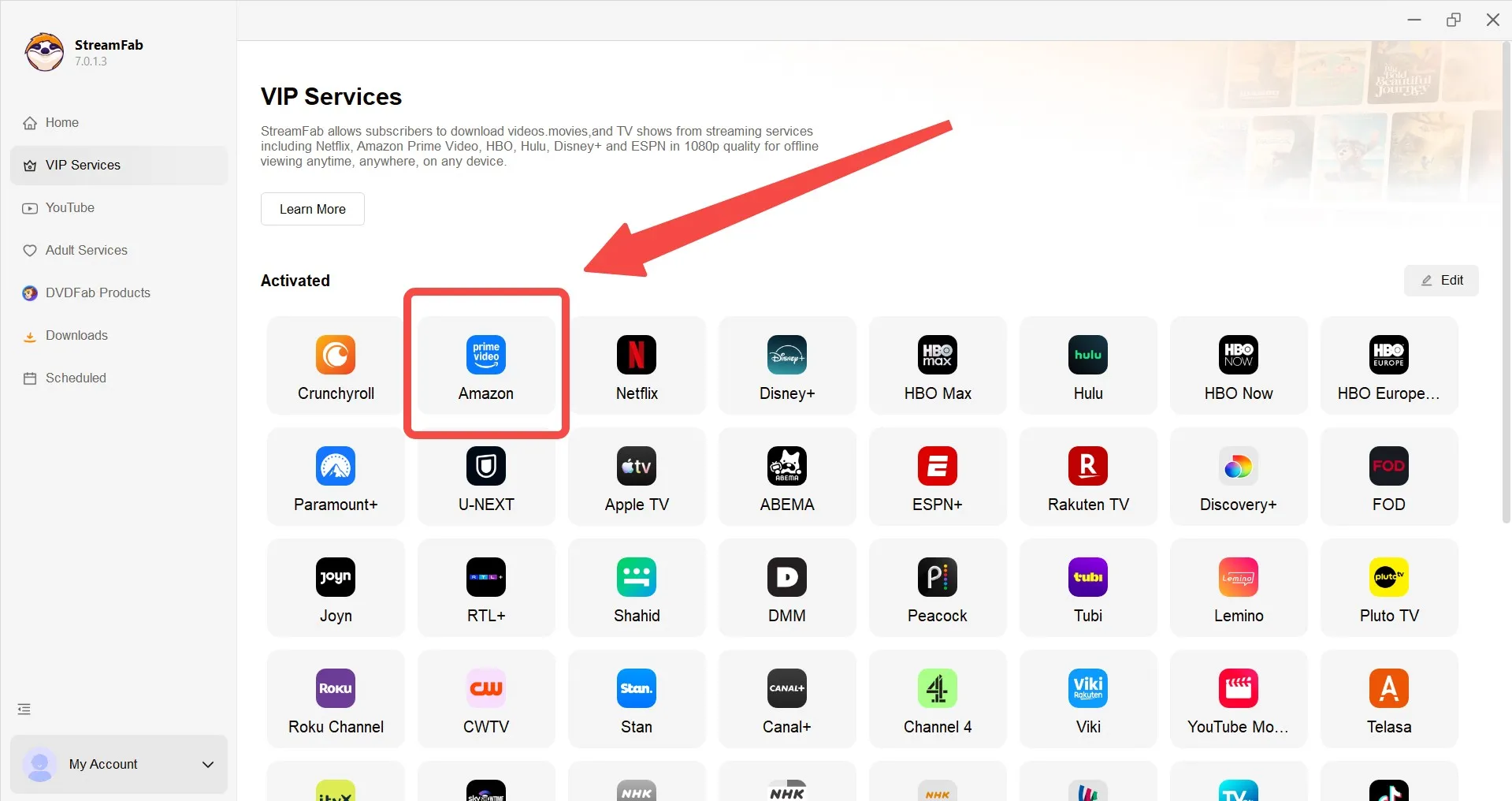
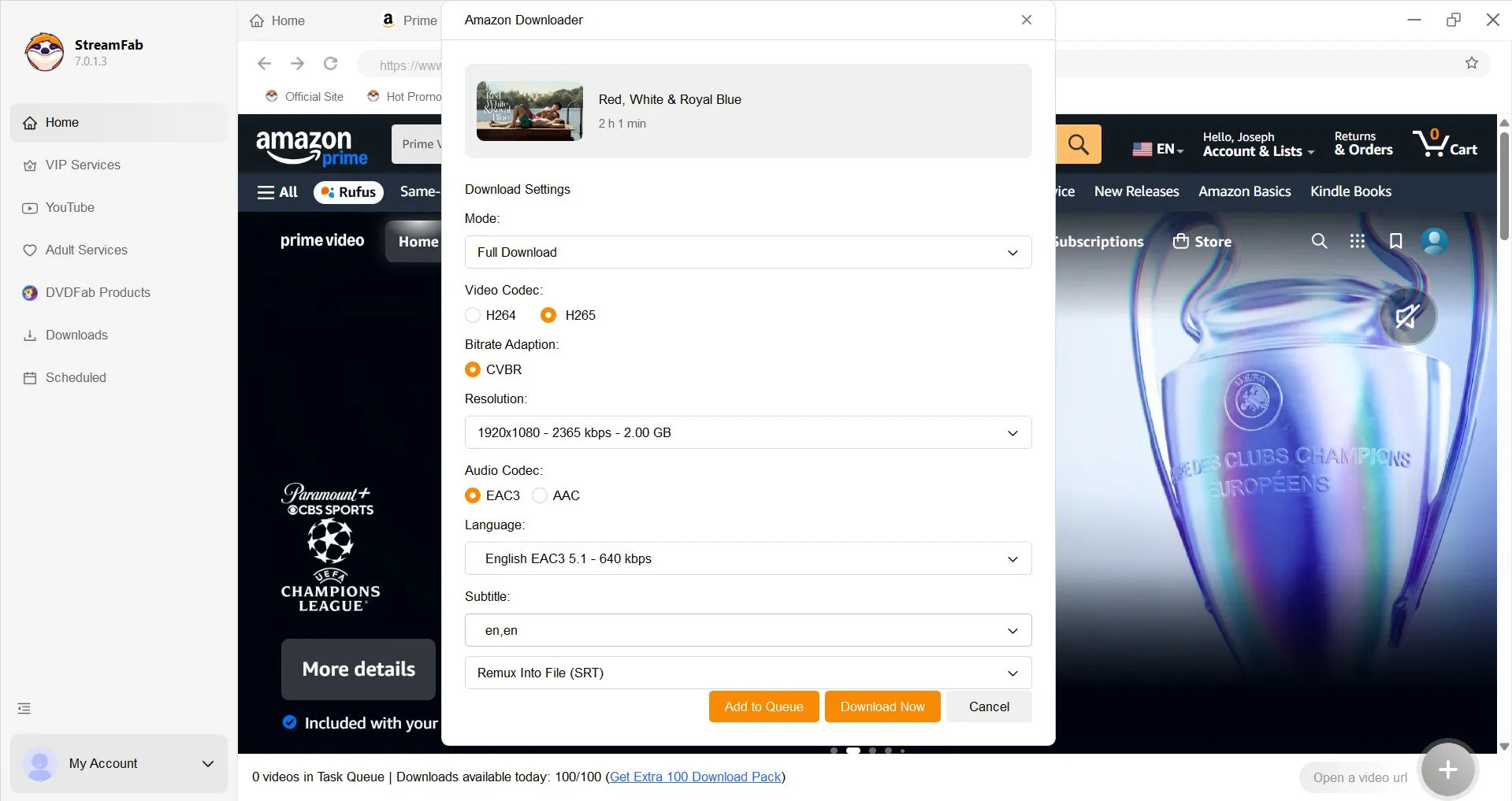
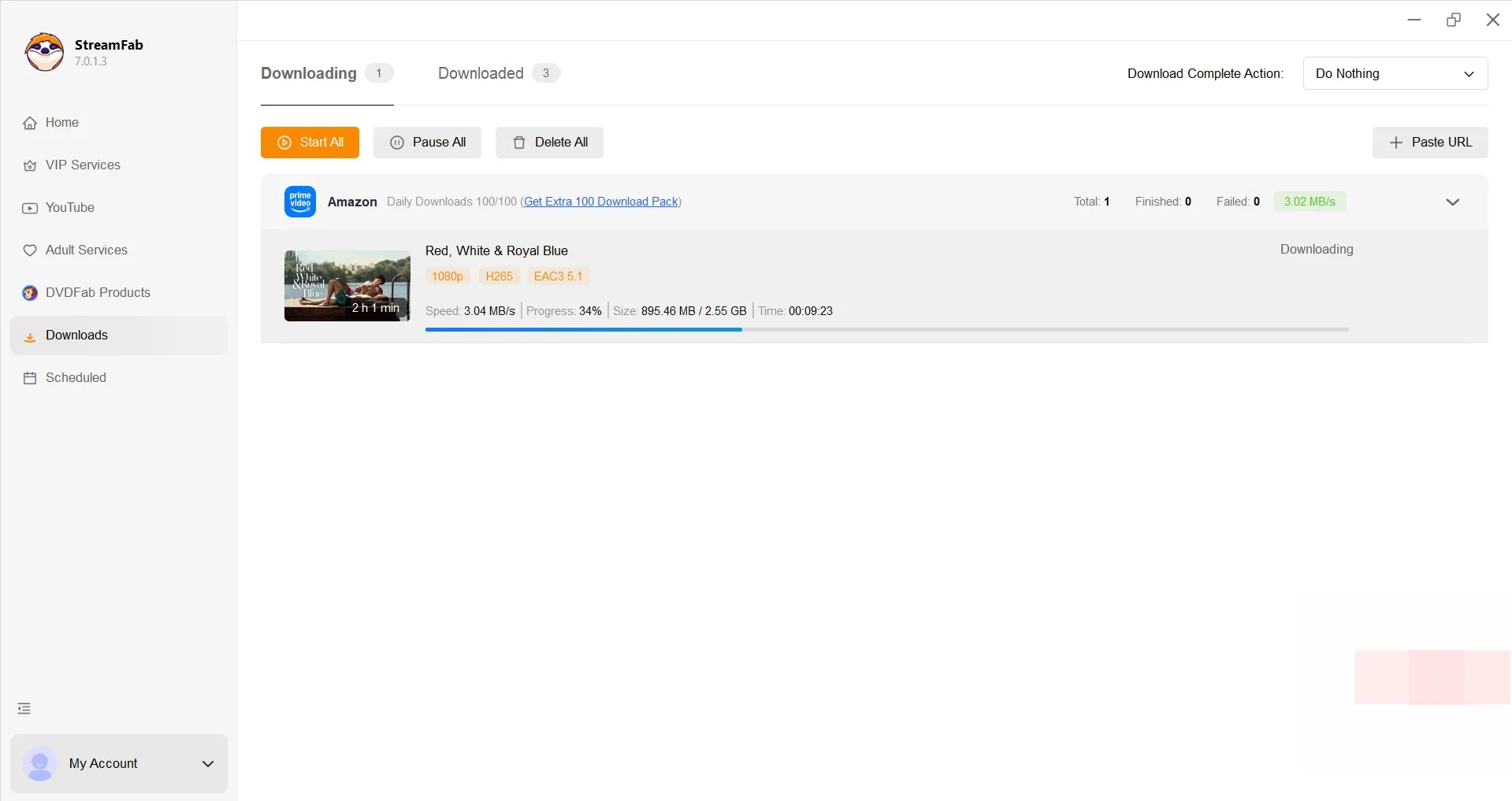

Compatibility changes are part of streaming technology, so a failed task may require an app update or a service-side fix. The same fit-based approach can apply to authorized online-course content, including workflows to download Udemy videos.
Record Live Streams for Offline Playback
Live broadcasts require a different workflow from supported on-demand video because the event is still happening rather than being handled as a completed title.
Live streams may not offer an official download option, and a replay can appear later or not at all. Real-time recording is one practical option for a live broadcast when a direct downloadable file is unavailable.
1. RecordFab for Background Live-Stream Recording

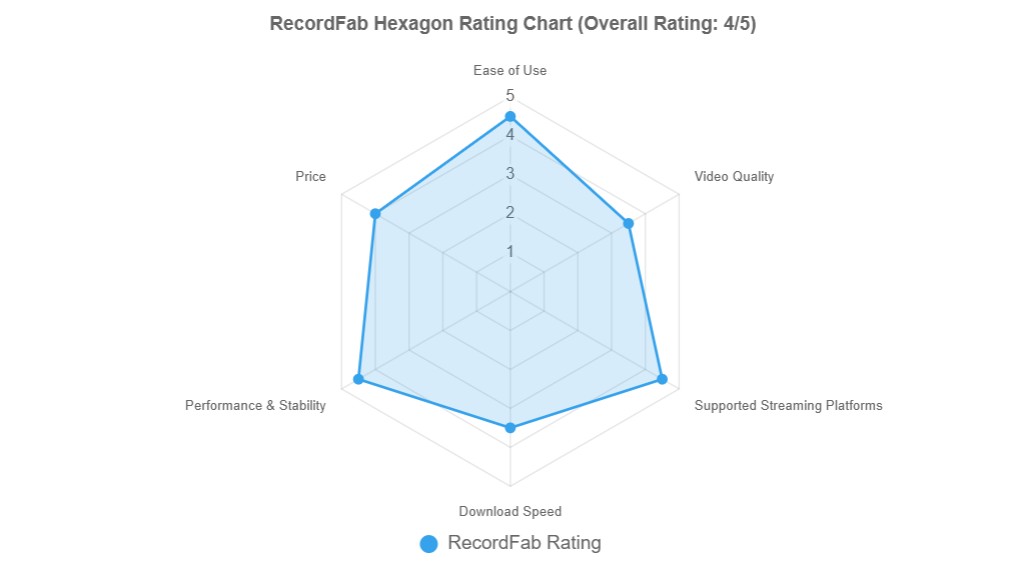
RecordFab is designed for live-stream recording and can keep the recording workflow in the background, reducing the need to leave the playback window in the foreground.
RecordFab suits live broadcasts when background recording is more practical than leaving a screen capture running in front of you. Traditional desktop recording can capture whatever appears in a selected area, including notifications, cursor movement, or accidental clicks. That is also the tradeoff covered by approaches to screen record protected videos.
This approach can reduce front-of-screen interruptions during a live event. It is not ideal for on-demand tasks that a supported direct-download workflow can handle more efficiently.
2. RecordFab: 4 Steps to Record Live Streams
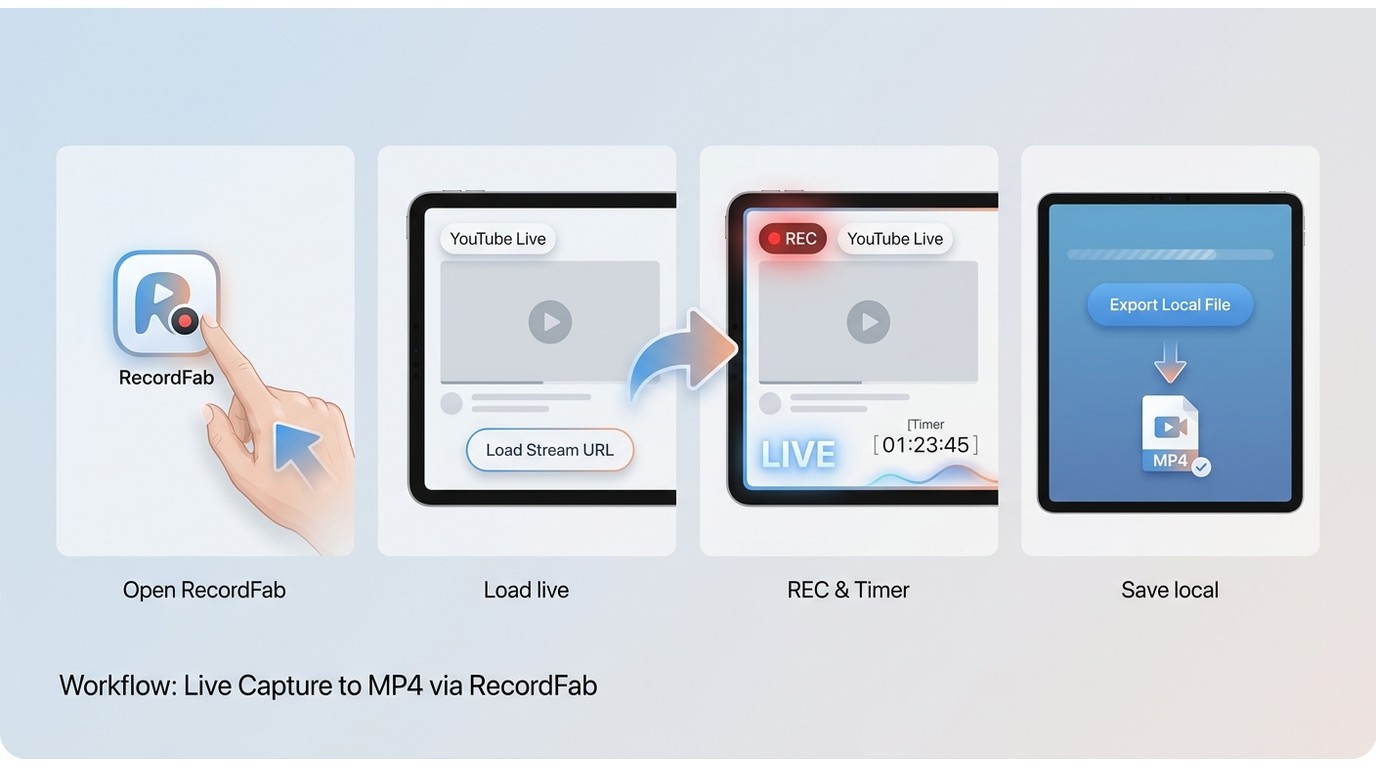
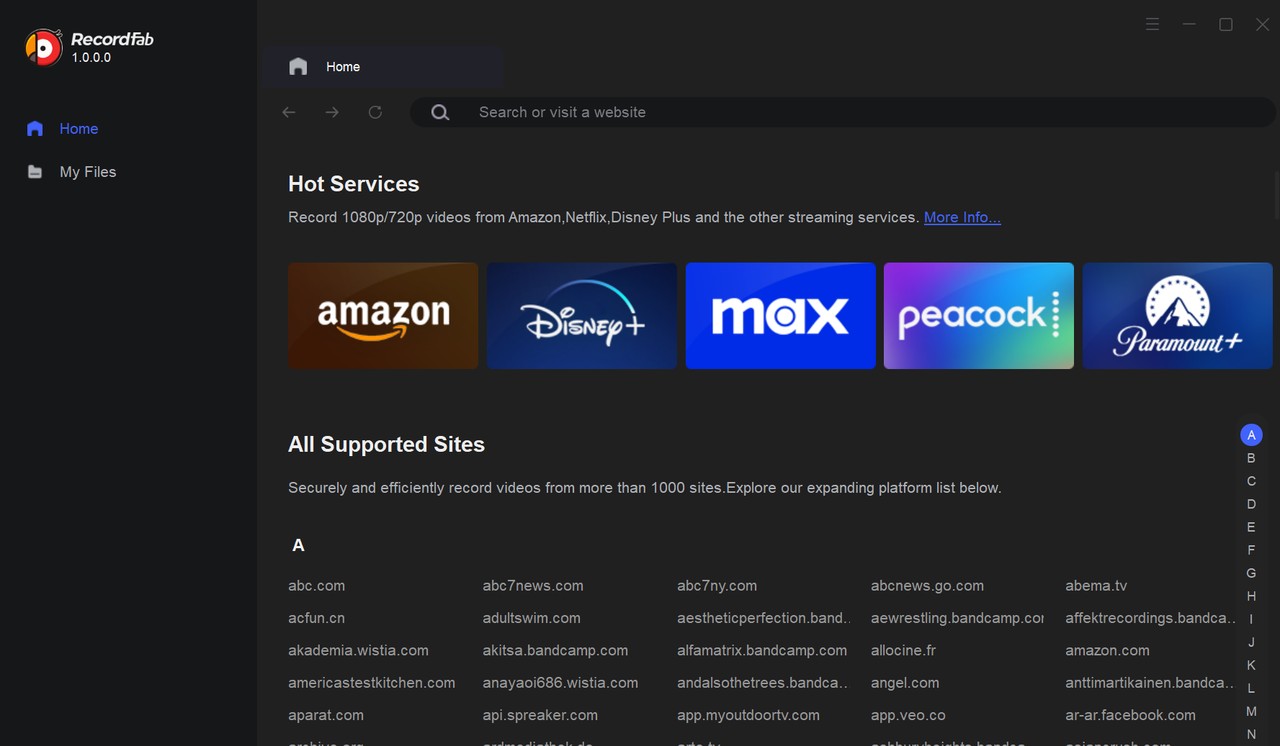
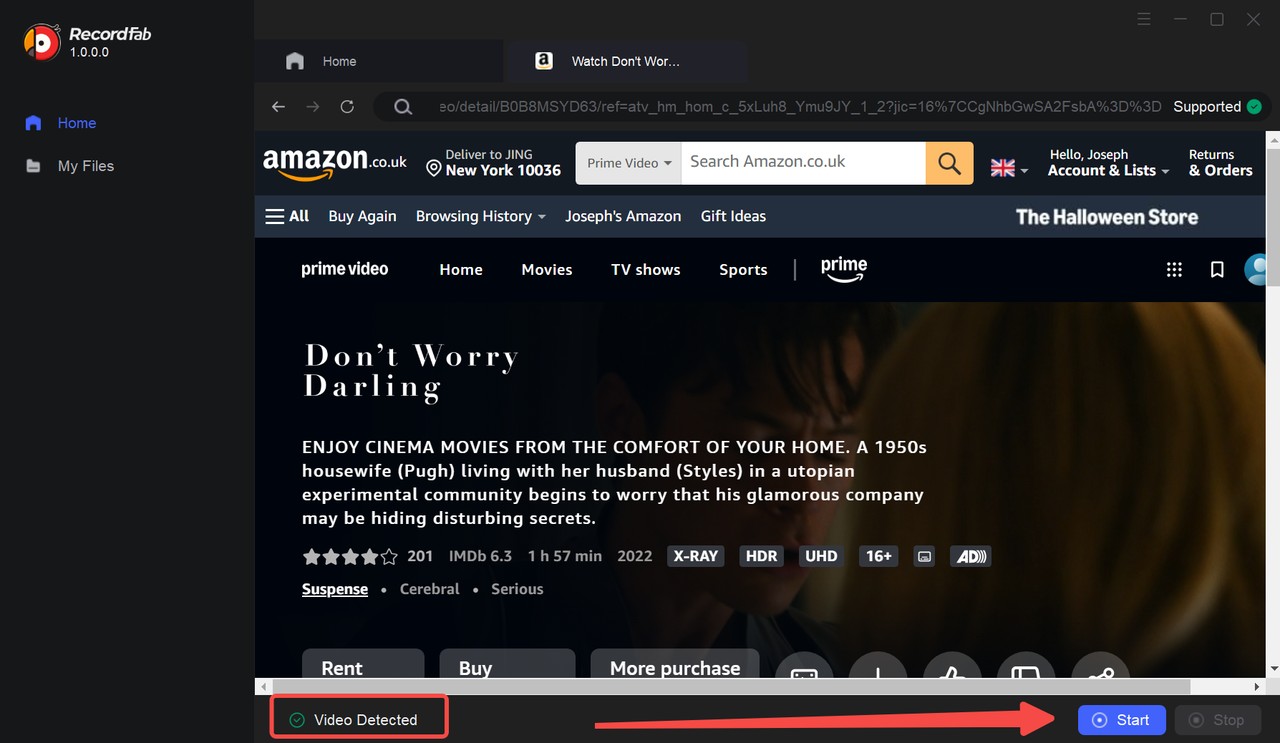
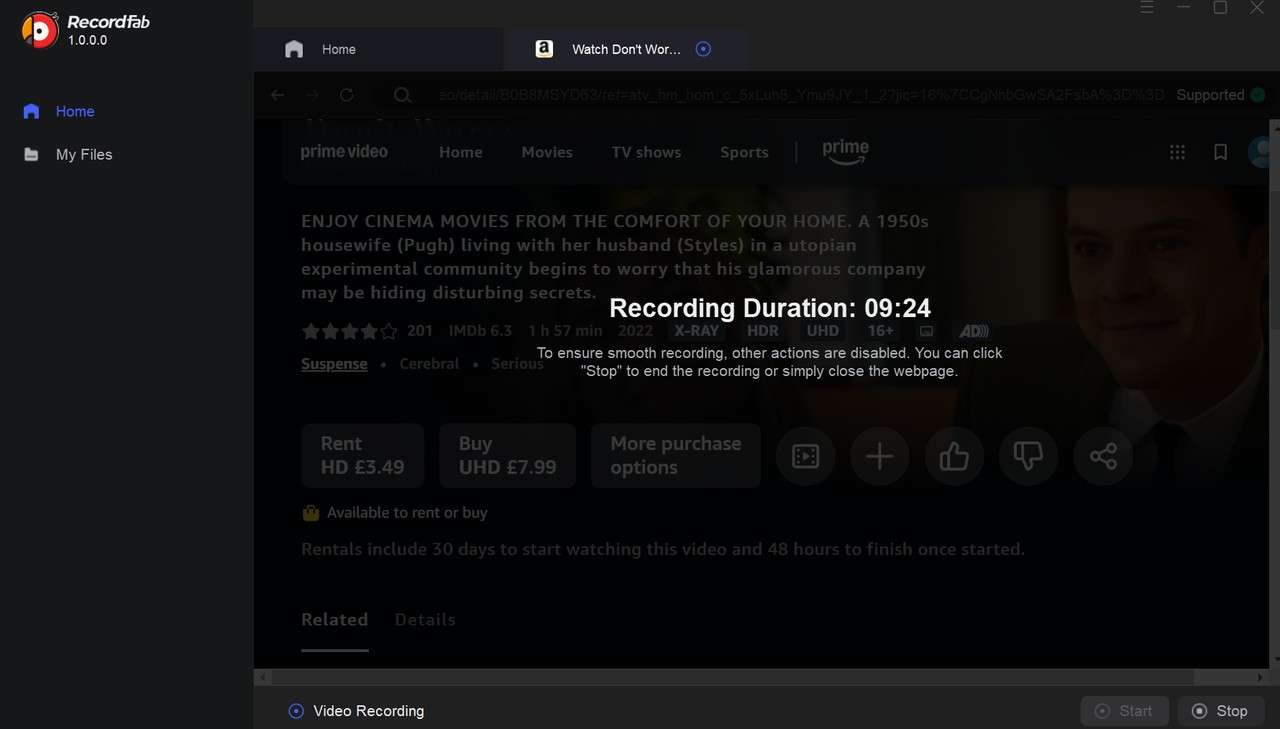
RecordFab is a recording product from DVDFab Software that focuses on live-stream workflows. Its narrower use case is the point: choose it for real-time broadcasts, not as a replacement for every on-demand video workflow.
FAQs
Is it legal to save streaming videos for offline viewing?
In general, whether offline saving is allowed depends on the platform’s Terms of Service, the specific title’s rights, and your local laws. When possible, use the official offline features first. If you use another local-file workflow, only save content you are authorized to access and save, for personal use on your own devices, and do not upload, share, or redistribute the files.
Why does a streaming video download fail?
Start by locating the failure stage. If no video is detected, confirm that the title is available in your region and that the URL has not expired. If analysis fails on an HLS/M3U8 or DASH stream, update the app, sign in again, and retry after a service-side change has been addressed. Login or region errors usually require checking account access and title availability.
A protected-stream error is different from a network error and may mean the workflow cannot process that title. If the task completes but the file will not play, check the video codec, audio format, subtitles, and HDR support on the target device. Dark or tinted HDR playback usually points to an unsupported HDR profile or player setting.
For site-specific requests, including adult subscription-video download questions, diagnose the stream type and access status first; authorized subscription-video download options require the same personal-use and platform-terms boundaries. When contacting support, include the app version, service, error stage, and log.
How should I assess download options for a specific streaming site?
Searches for how to download video SpankBang, download GorillaVid videos, download PMVHaven videos, download video Dunia Streaming, find a BananaMovies downloader, or locate a Fakingstv video downloader should begin with the same checks: confirm that you are authorized to access and save the content, review the platform’s terms, identify whether playback uses a direct file or a segmented stream, and use official offline options where available. Do not upload, share, sell, or redistribute saved files.
Do offline streaming files expire?
Official in-app downloads can have service-controlled viewing Windows or other conditions. Supported local MP4 or MKV output is handled as a file on your device, but authorized use remains subject to platform terms and applicable law. Keep saved content for personal use and do not upload, share, sell, or redistribute it.
Why can an MP4 still fail on a TV?
MP4 is a container, so the extension alone does not guarantee playback. A smart TV may reject the video codec, HDR profile, audio format, subtitle type, or bitrate inside the file. Try a compatible media player first. If that does not help, remux the file when the streams are supported but the container is not, or convert it to a lower-profile video and audio combination that the TV supports.
Can a downloader guarantee account safety?
No downloader can guarantee account safety. Platform terms, service changes, region, task volume, account behavior, and app compatibility can all vary. Use official downloads where they are available, keep software current, use reasonable task volumes, and avoid abusive automation.
Conclusion
The right workflow depends on the stream type, your authorization to access it, the output you need, and whether the content is on demand or live.
- Simple direct or public streams may suit a browser extension, online URL tool, or another lightweight option.
- Supported on-demand services may suit a desktop local-file workflow when output settings matter.
- Live broadcasts may suit real-time recording when a direct downloadable file is unavailable.
My practical filter is to rule out the wrong workflow first, rather than forcing every stream into one tool. For example, a supported batch workflow can suit readers who want to download Korean drama episodes, while a live event calls for a recording decision. Keep any local-file workflow within your authorized access, personal-use, and no-redistribution boundaries.
Streaming services and playback technologies can change, so compatibility and available output options may change over time.
This update adds a five-method selection matrix, MP4 and MKV compatibility guidance, symptom-based troubleshooting, and clearer distinctions between on-demand downloads and live-stream recording.
The FAQ now explains authorization boundaries, local-file conditions, device playback issues, and why no workflow can guarantee account safety.

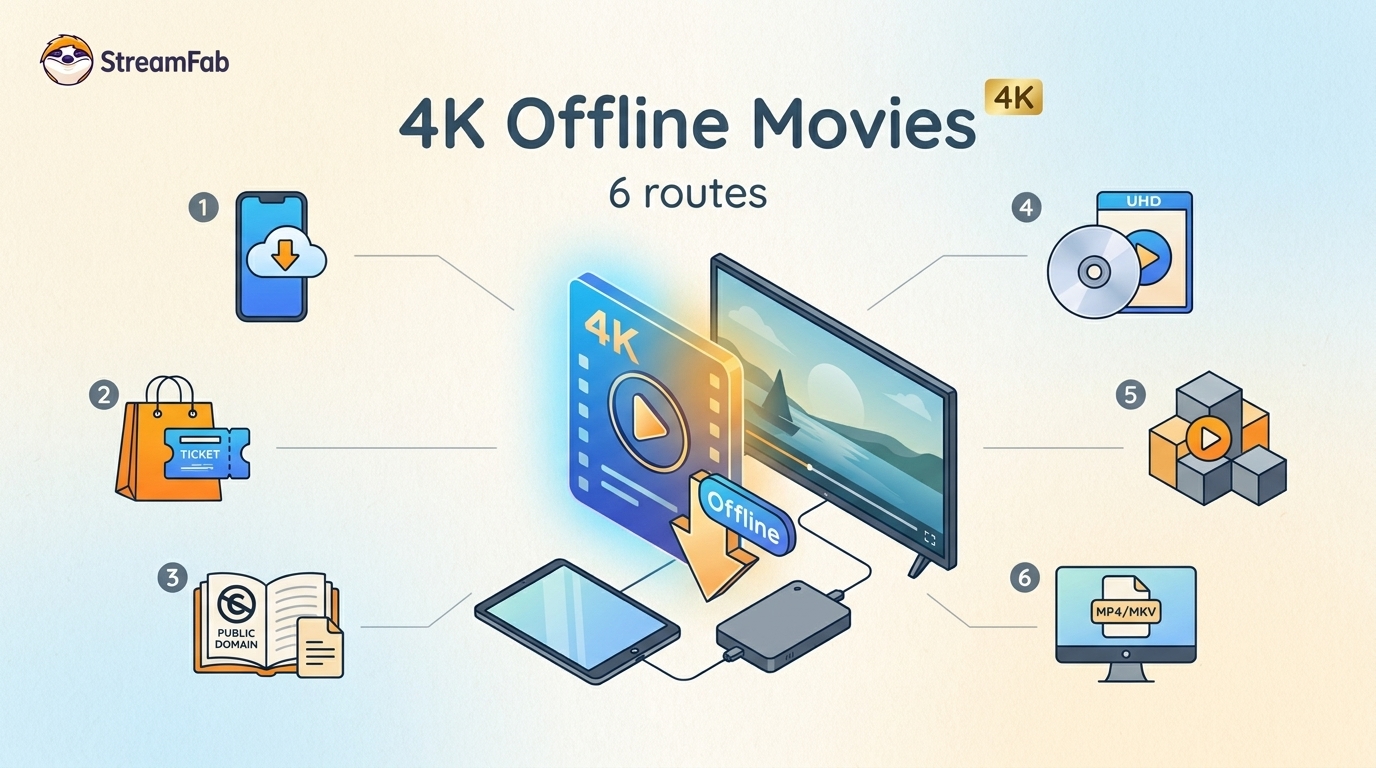
Legal 4K movie downloads do not all provide the same kind of offline access. Most mainstream services offer app-locked downloads, while portable movie files, UHD Blu-ray, public-domain media, and authorized desktop workflows involve different quality, cost, device, and licensing limits.
By Jacob Harrison - Aug 12, 2026
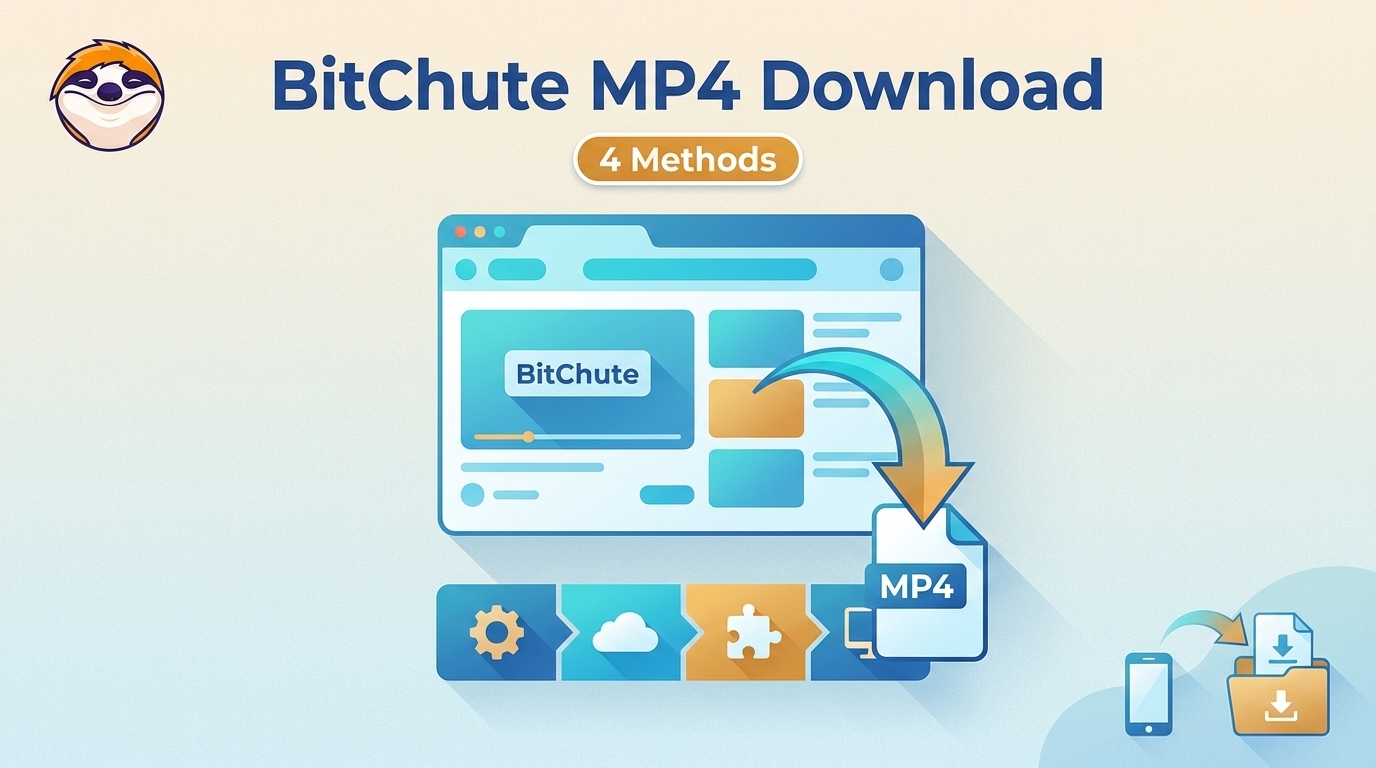
To get straight to the point, you can download a BitChute video as MP4 through its download icon: open the video, then use Save As. For authorized content where permitted, this guide explains when desktop, Android, or browser alternatives make sense.
By Marcia Hatcher - Aug 11, 2026
Looking to convert a link to MP4 in 2026? I've systematically tested top desktop and online converters to bypass Widevine DRM, dynamic tokens, and geoblocking for seamless PC and Android extraction.
By Jacob Harrison - Aug 7, 2026

Hotstar is no longer a standalone US service. Here are the two realistic paths US viewers have to download JioHotstar or former Hotstar movies.
By Jacob Harrison - Aug 7, 2026