
Screen Record Protected Videos: 3 Methods and Black-Screen Checks (2026)

Summary: Are you looking for the best ways to screen recorded protected videos? This comprehensive guide has covered 3 great ones: StreamFab Video Downloader, RecordFab, and FonePaw Screen Recorder.
In short, a protected video can record as black video with audio because of Digital Rights Management (DRM) or HDCP, but permissions, HDR, display scaling, hardware acceleration, or the selected capture mode can cause the same symptom. Diagnose those ordinary capture faults before choosing a recording workflow.
This guide compares three desktop workflows: RecordFab for supported Windows recording, FonePaw for general Windows and Mac capture, and StreamFab for a supported local-file workflow. The right fit depends on the device, content type, real-time requirements, authorization, and playback path.
Three Verified Methods to Screen Record Protected Videos
Lawful access does not automatically grant permission to record or save a copy. Copyright permission, restrictions on technical protection measures, platform terms, and your specific authorization must be considered separately. Private-copy exceptions are jurisdiction-specific and should not be treated as universal permission in the United States.
Method 1: RecordFab on Windows
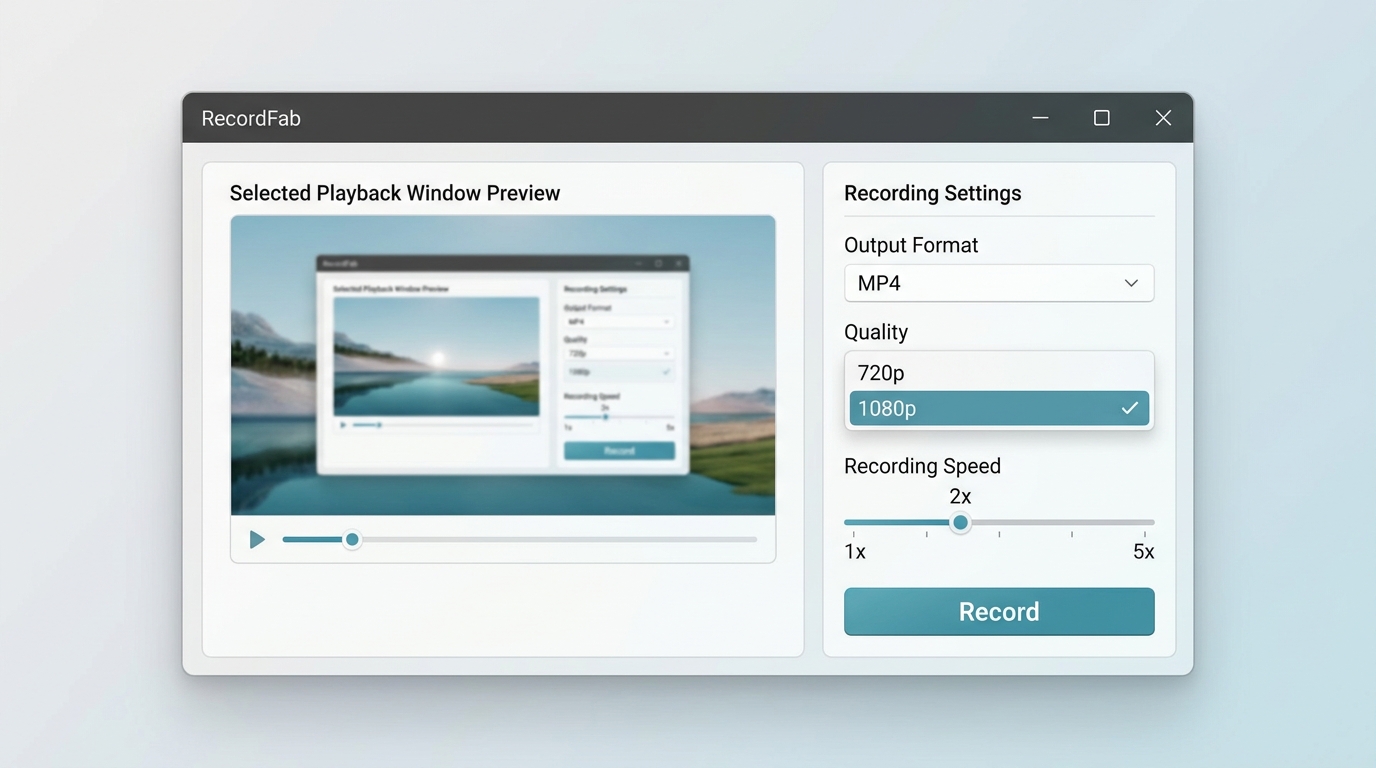
RecordFab and StreamFab are products from the same software family, but they serve different workflows. RecordFab records supported playback in real time on Windows, while StreamFab provides a supported desktop local-file workflow for selected on-demand services. RecordFab supports MP4 recording at 720p or 1080p and configurable 1x to 5x recording where supported; results still depend on the service and playback path.

Record supported streaming videos, live broadcasts, and online courses in 720p or 1080p quality. Save authorized recordings on your device in MP4 format for personal offline viewing.
Note: Windows only; Mac users need alternative solutions.
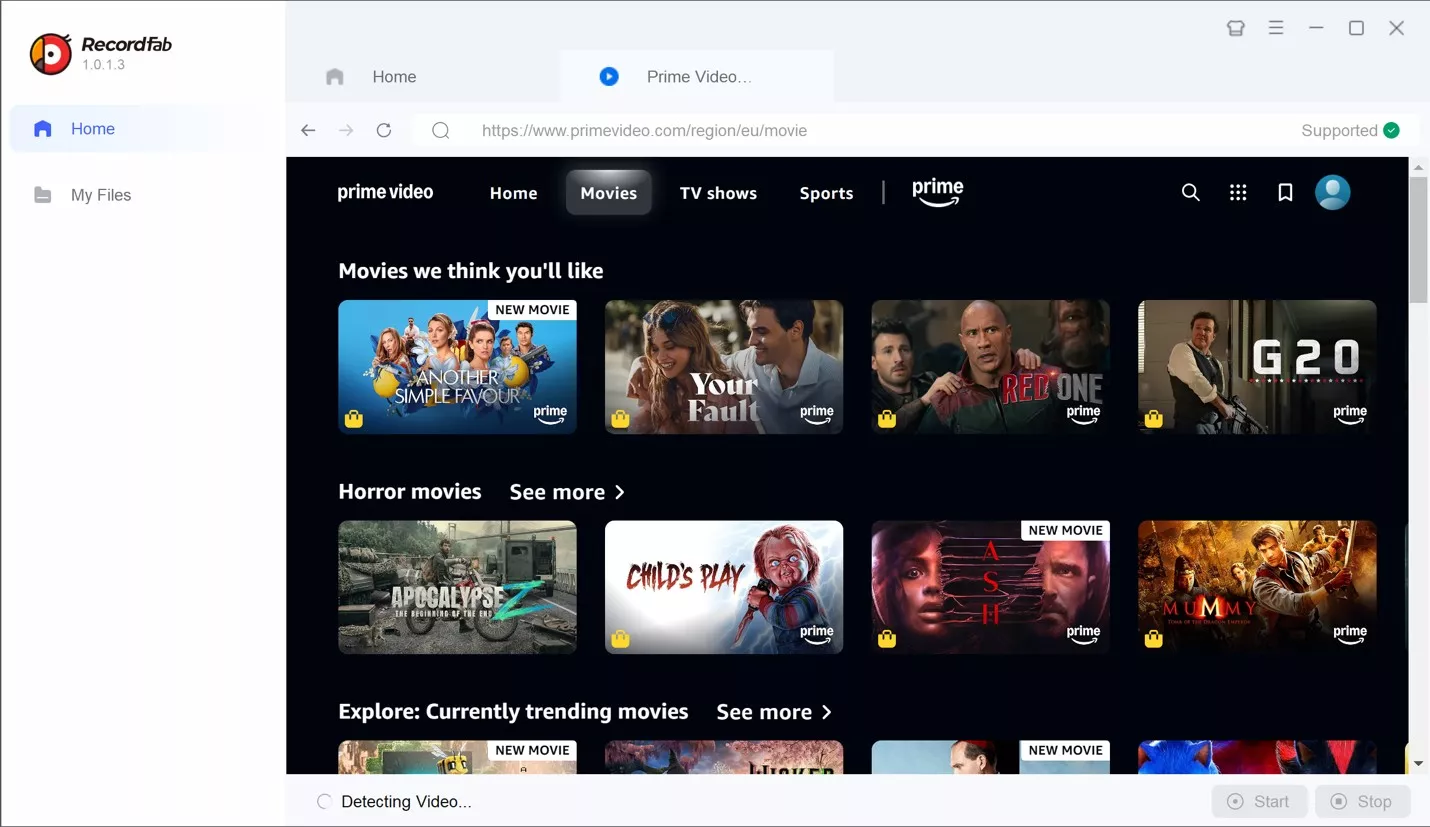
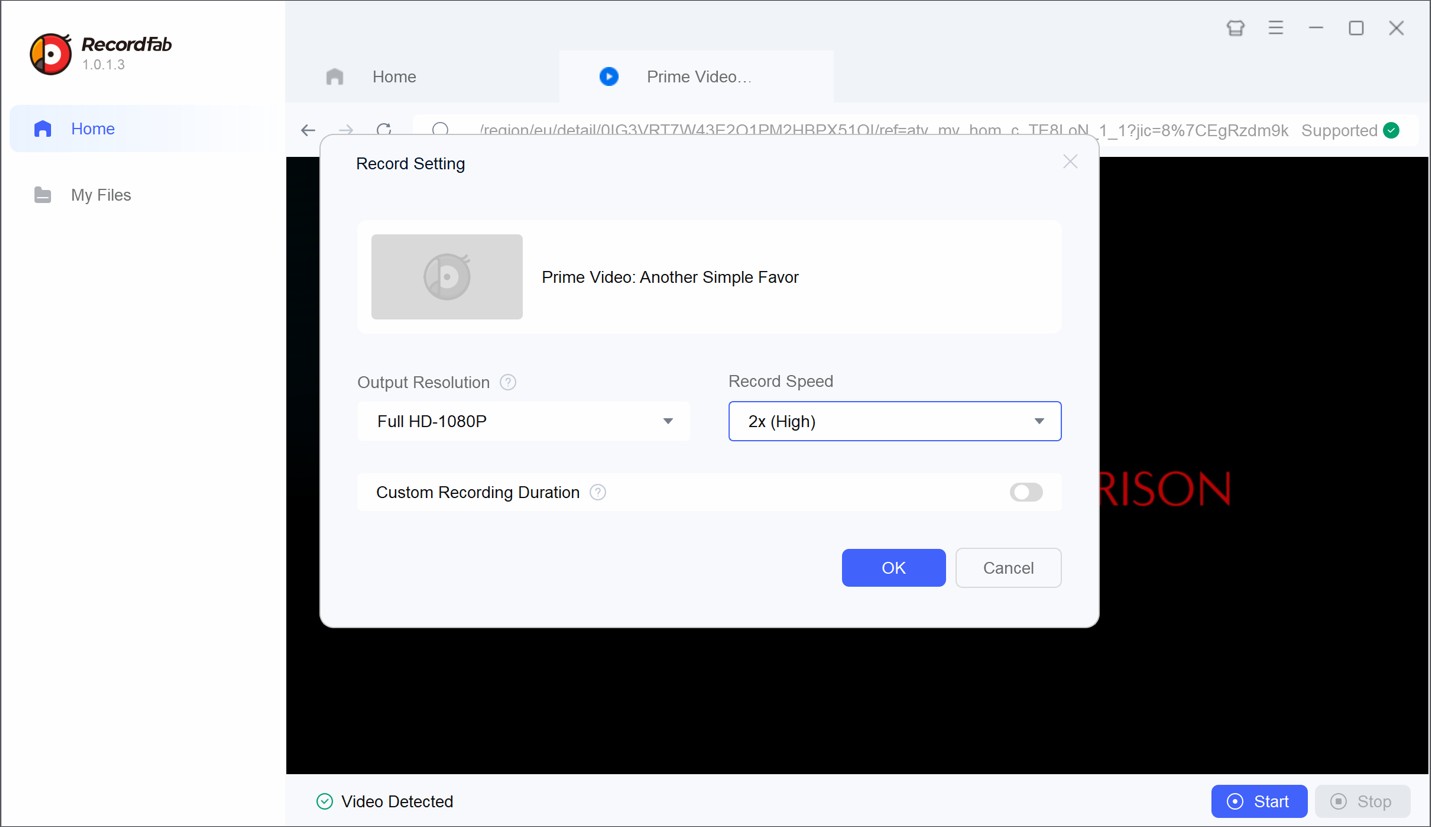
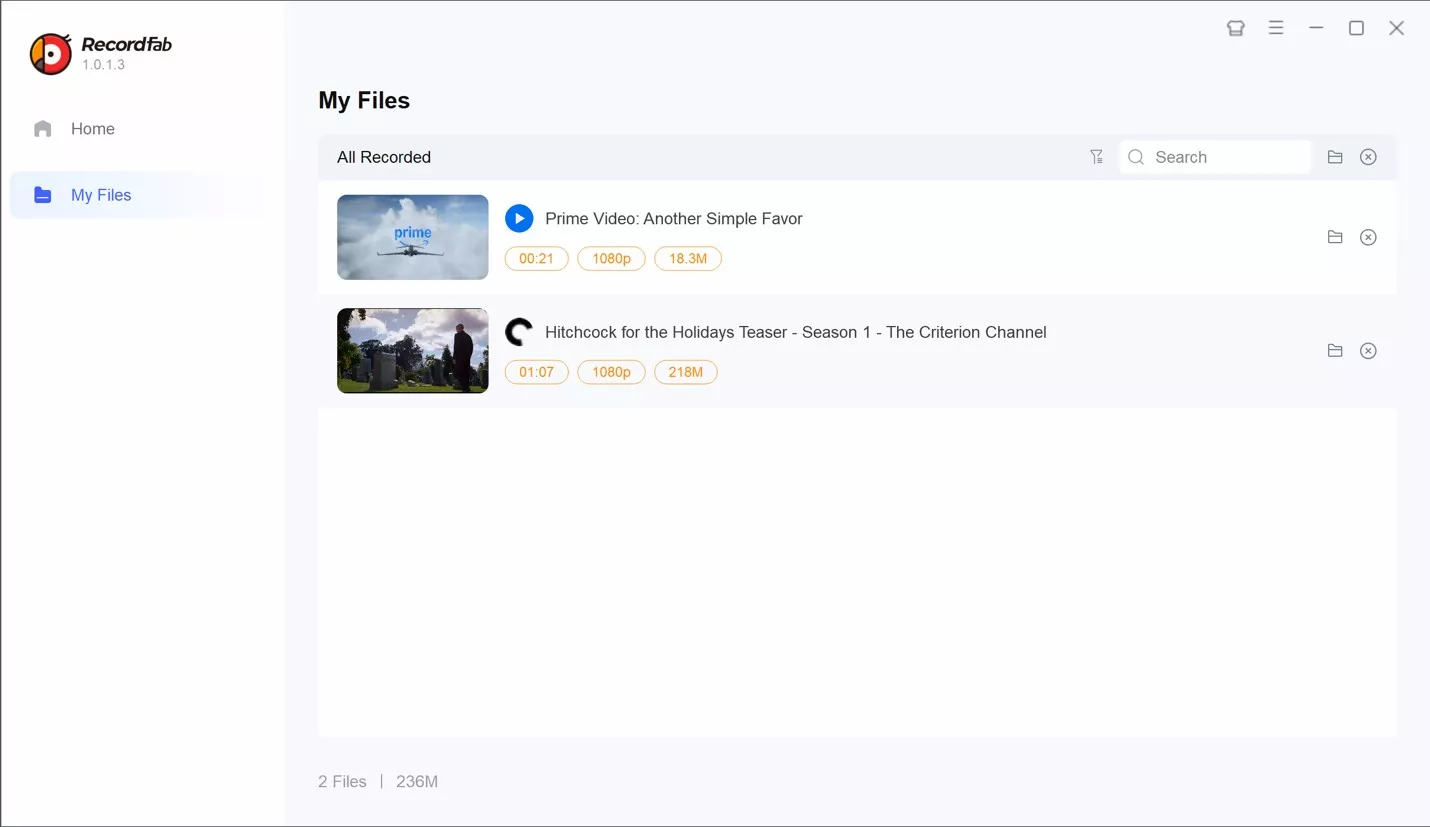
- Supports Windows recording on compatible platforms, but black-screen and audio results still depend on the service, device, and playback path.
- There's a neat little slider for tweaking bitrate, so you can juggle file size and quality.
- Simple interface, too, so doing lots of recordings doesn’t feel like rocket science.
- This tool is available only on Windows, so Mac users need a different workflow.
Method 2: FonePaw for General Capture
FonePaw Screen Recorder works on Windows and Mac and is positioned for desktop capture, games, webinars, tutorials, and ordinary streaming playback. Its published capture scope includes up to 1080p and 60 fps, but protected-playback results depend on the service, operating system, and capture path.
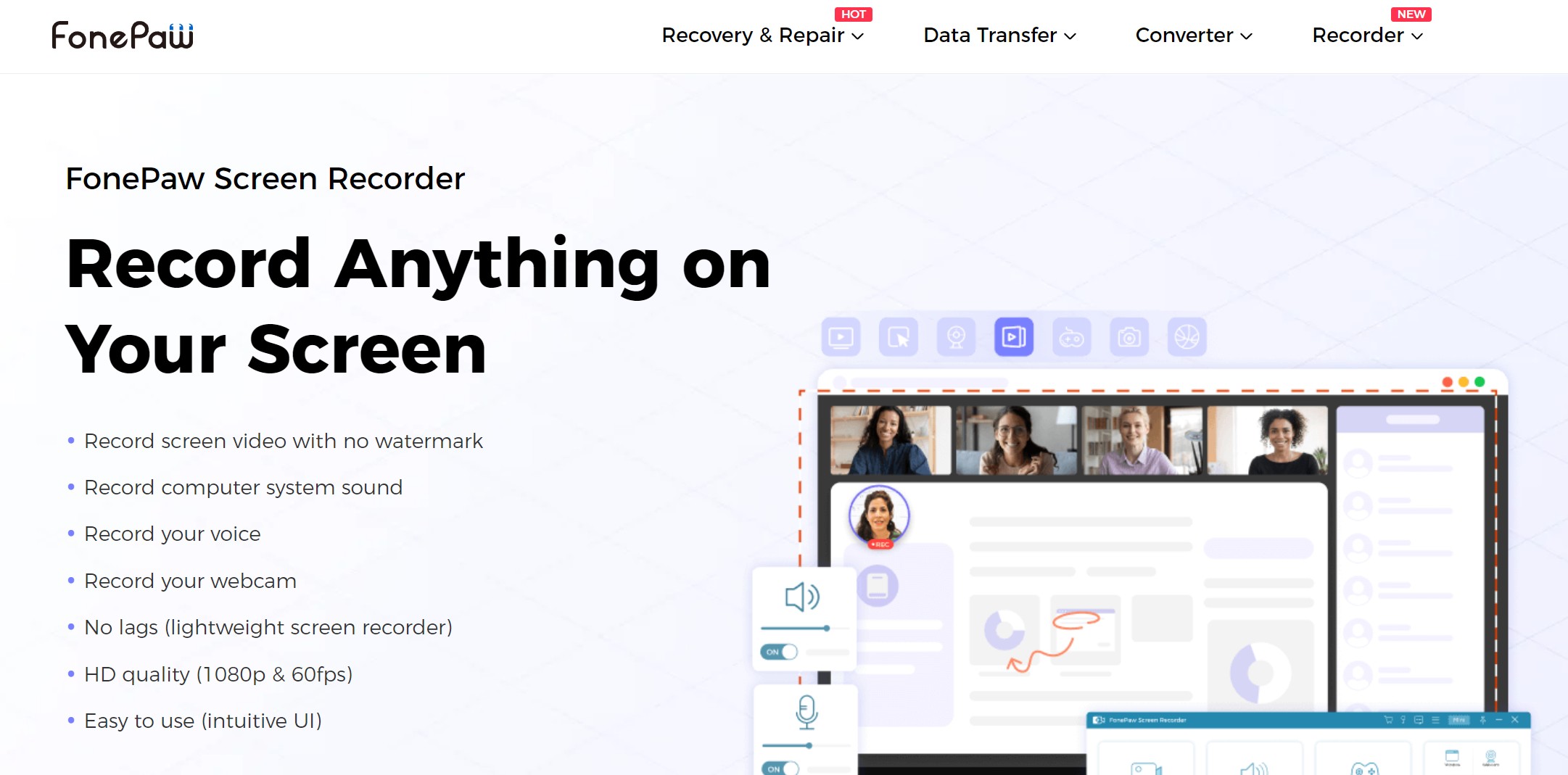
FonePaw is useful for tutorials, webinars, games, and ordinary desktop capture, but its feature page does not establish universal support for protected streaming playback. A protected app or browser may still produce blank or restricted frames, so it should not be presented as a guaranteed solution for that use case.
- Record your entire screen, a specific area, or even use your camera.
- Add text, charts, and other annotations to highlight important content.
- Preview your recording at any time to check if it matches your expectations.
- Protected playback may produce black or restricted frames depending on the service and capture path.
- No batch recording capability.
- Cannot auto-detect streaming content—manual setup required.
- Real-time recording means waiting for full playback duration.
Select the audio sources you want to include, such as system sound and, if needed, microphone input. After confirming all parameters, start the recording inside FonePaw and stop it when you’re finished; the captured file will then be saved for your personal offline review.
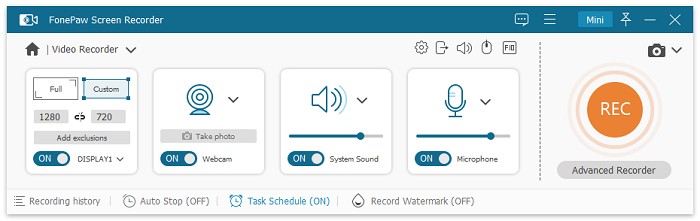
With screen recording solutions, some users hope to keep a copy of online course lessons they can already access, for example, courses from platforms like Udemy. However, you should always check each platform’s terms of service first, as many online learning sites explicitly restrict or forbid recording or downloading their protected content.
Mobile limits: On Android, secure surfaces or hardware-backed protected playback can leave audio in the recording while the video remains black. On iPhone, results may depend on the built-in recorder, app policy, Mac mirroring, and the playback path. If an authorized clip cannot be captured through the built-in recorder or approved mirroring path, there may be no reliable mobile recording method.

Method 3: StreamFab Local-File Workflow
For content you're authorized to access, where permitted by platform terms and applicable law, StreamFab offers a desktop alternative that can save a local copy for personal offline viewing on supported on-demand services.
StreamFab is separate from each streaming service's official offline feature and remains subject to that service's terms and applicable law. It uses screen-recording and stream-recording technology rather than extracting protection keys, and it provides MP4 or MKV output on supported services. Available quality varies by platform, subscription plan, and title.
For the services covered here, Netflix and Amazon Prime Video support up to 1080p, while Disney+, Hulu, Max, Apple TV+, and Paramount+ can support up to 4K, depending on the plan and title. StreamFab is best suited to supported on-demand services, batch tasks, selectable audio or subtitles, and MP4 or MKV playback. It is not intended as a universal answer for unsupported services, mobile-only users, or every live stream. For a broader workflow, see the guide to downloading streaming videos.

- Desktop local-file workflow for supported on-demand services, with valid access and permission required
- MP4 or MKV output, with available quality depending on the service, plan, and title
- Batch tasks with selectable audio tracks and subtitle options
- Output:MP4 or MKV files are available on supported services, with quality determined by the service, subscription plan, and title.
- Time:Batch processing can reduce episode-by-episode setup, but actual processing time varies by service, network, device, and title.
- Limits:Availability, output quality, and playback results depend on the supported service, title, operating system, and current playback path.
- Best use:Authorized on-demand viewing and batch tasks; not unsupported services, mobile-only workflows, or every live stream.
The desktop workflow below is most relevant when batch handling and a standard local file matter more than real-time screen capture.
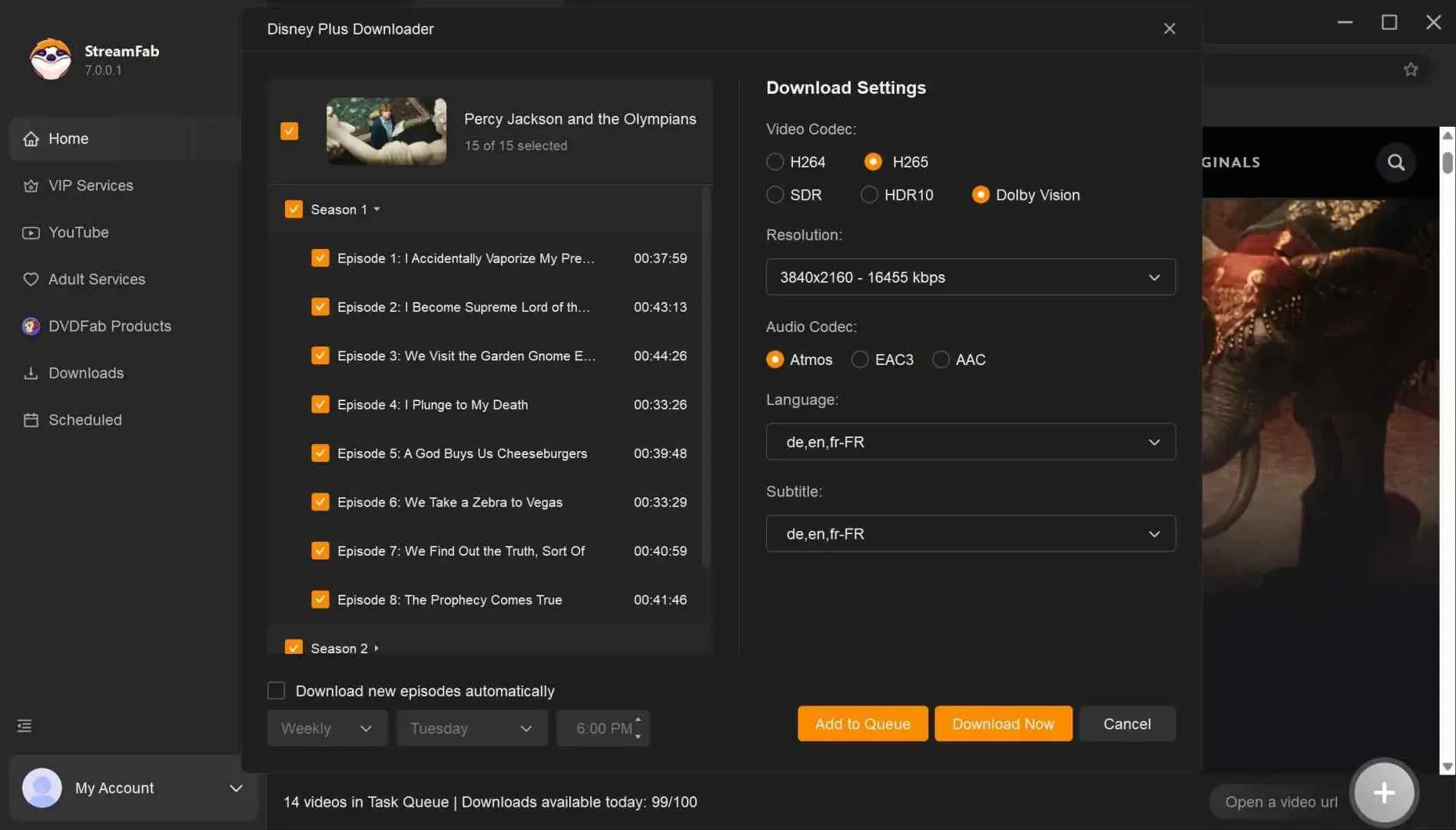
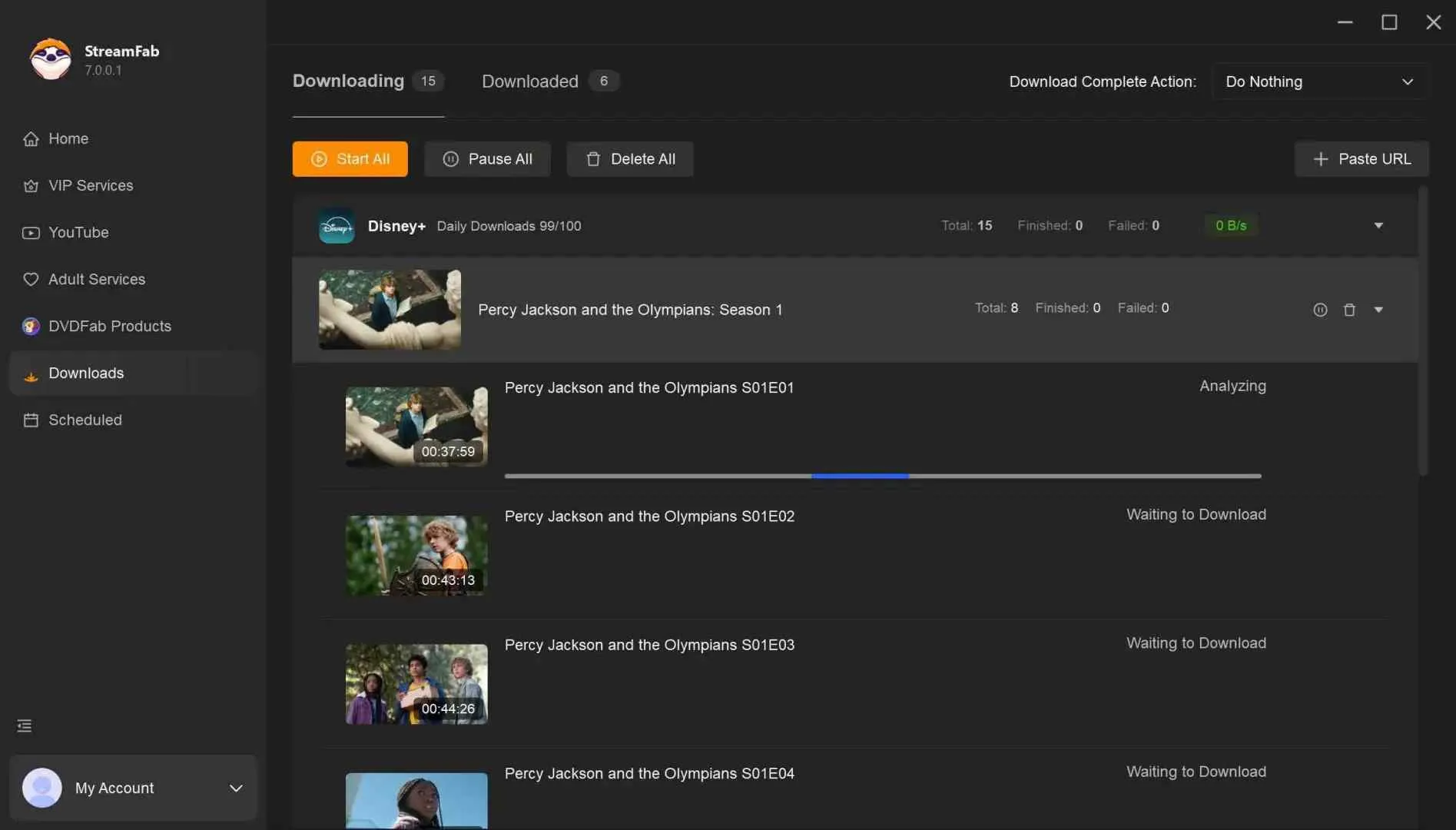
Open the StreamFab software on your computer and go to the main interface. From there, access the supported streaming or website section and sign in to the service where you already have a valid subscription, such as Max.
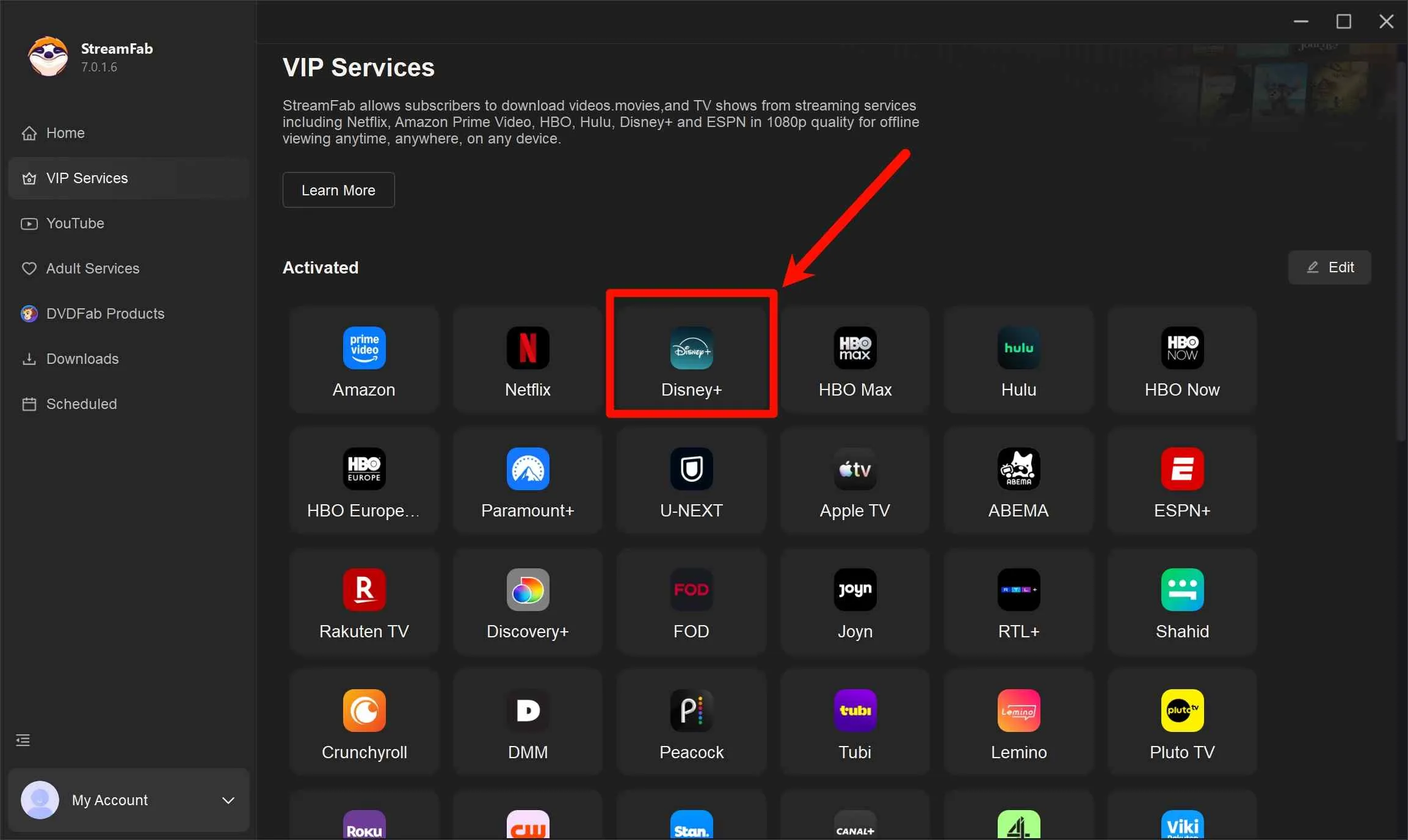
Within StreamFab’s built-in browser, locate the video you want to keep for offline viewing and start playing it, then follow the prompts to choose available options like quality, audio track, and subtitles for the device you plan to watch on.
When capture still fails: Start with the platform's official offline feature. If that does not meet an authorized use case, request permission or a licensed clip, try another authorized device or playback path, and consider approved mirroring. A capture card or second-device camera may suit some content, but HDCP or hardware-backed protection can also blank hardware output. If diagnostics leave no authorized and dependable route, stopping is more trustworthy than escalating promises.
Recorder vs Downloader: Which Fits?
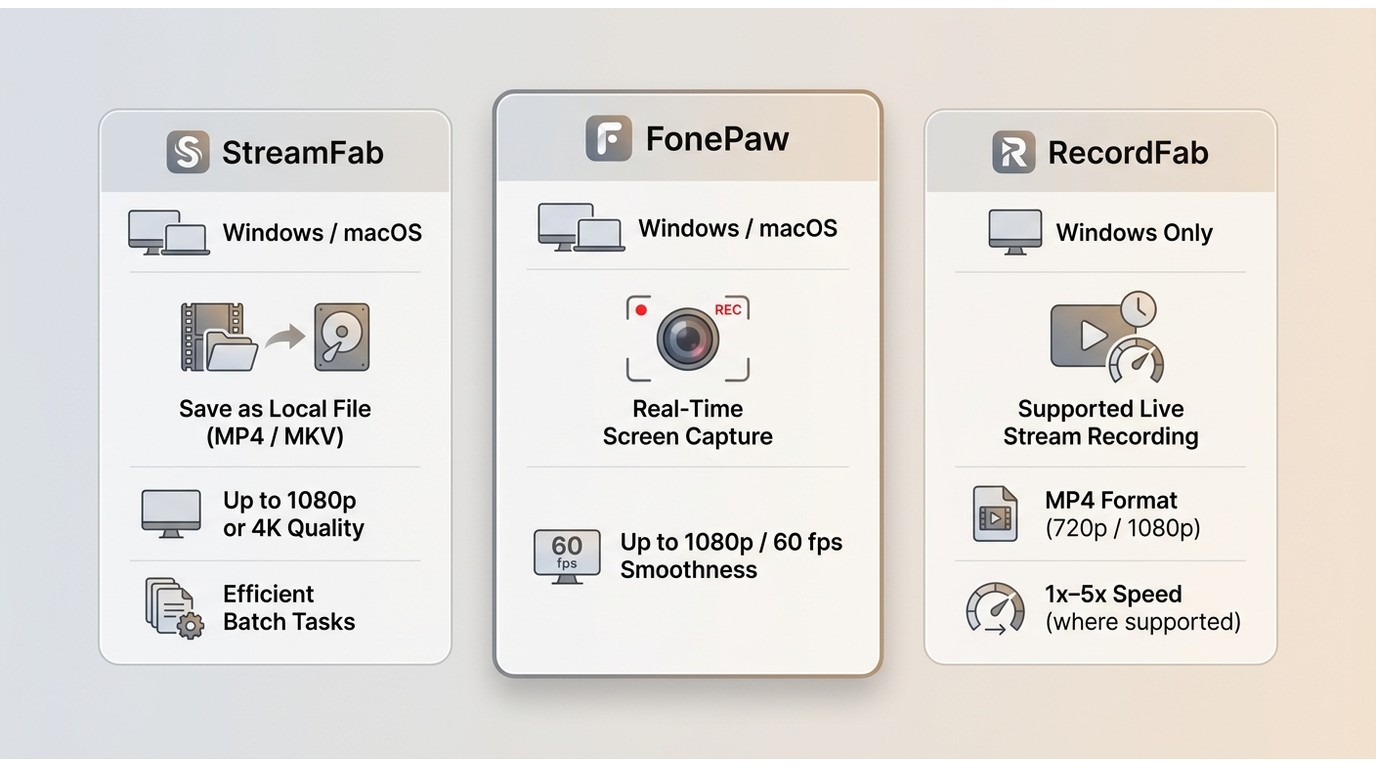
The specifications below reflect published product scopes as of July 2026. Because the three products were not evaluated here under one identical device, operating system, browser, network, title, and version environment, the table compares product positioning and functional boundaries rather than declaring a test winner.
| Feature | StreamFab | FonePaw | RecordFab |
|---|---|---|---|
| Workflow type | Supported local-file workflow | General real-time screen recording | Supported real-time streaming recording |
| Operating systems | Windows, macOS | Windows, macOS | Windows |
| Output | MP4 or MKV | Recorded video file; format depends on settings | MP4 |
| Time cost | Processing varies; supports batch tasks | Generally follows playback in real time | Real time or configurable 1x to 5x where supported |
| Stated quality scope | Up to 1080p or 4K depending on service, plan, and title | Up to 1080p and 60 fps | 720p or 1080p |
| Black-screen limits | Works only within supported service and playback scope | Protected frames may remain black or restricted | Results depend on supported service and playback path |
| Batch capability | Yes, for supported on-demand tasks | No season-style batch workflow described | No season-style batch workflow described |
| Live-stream suitability | Not the primary fit; support varies | Suitable for ordinary real-time desktop capture | Suitable for supported live recording |
| Best fit | Supported on-demand services, batch tasks, MP4 or MKV playback | Tutorials, webinars, games, and general desktop capture | Supported Windows streaming, live, and course workflows |
| Not ideal for | Unsupported services, mobile-only use, or every live stream | Promising capture of protected playback | Mac users or services outside its supported scope |
| Authorization boundary | Valid access, permission, platform terms, and applicable law still apply | Valid access, permission, platform terms, and applicable law still apply | Valid access, permission, platform terms, and applicable law still apply |
My Recommendation: The best fit depends on whether you need real-time capture, cross-platform desktop recording, live-stream handling, batch processing, or a supported local-file workflow. No option is reliable across every protected service and playback path.
StreamFab downloads the actual video file at 10x speed with up to 4K quality—no black screens, no waiting. The choice becomes obvious when you compare 12 minutes versus 2 hours for the same movie.
FAQs
1. Does disabling hardware acceleration fix every black screen?
No. Changing hardware acceleration can alter the capture path in some browser cases, but it is not a universal fix. Some services require acceleration for stable playback or higher quality, and DRM, HDCP, missing permissions, HDR, scaling, or an incorrect capture mode may still cause black video.
2. Is it legal to record or save protected streaming video?
There is no universal answer. Lawful access or a valid subscription does not automatically grant copying permission. Your authorization, copyright law, restrictions involving technical protection measures, and the platform's terms must be considered separately. Sharing, distributing, or commercially using a saved copy can create additional legal and contractual issues.
3. Can DRM block screen recording or screenshots?
Protected playback can blank, restrict, or omit captured frames depending on the app, browser, operating system, display output, and protection method. That behavior does not necessarily mean the service actively reports each recording or screenshot attempt; blocking and reporting are separate functions.
4. Is there one recorder that works with every protected service?
No. Results vary by service, app or browser, operating system, device, playback path, and protection method. A general recorder may fit tutorials or ordinary desktop capture, RecordFab may fit supported Windows recording, and StreamFab may fit supported on-demand local-file tasks. Some playback paths have no dependable capture option.
Conclusion: Choose by Content and Device
Choose by the device, content type, need for real-time capture, supported service scope, and authorization rather than by a universal winner claim:
- Choose RecordFab if: You need supported Windows recording for live, course, or general playback and accept service-dependent results.
- Choose FonePaw if: You need general Windows or macOS capture for tutorials, webinars, games, or ordinary desktop video.
- Consider StreamFab if: You have valid access to a supported on-demand service and need an authorized desktop local-file workflow with MP4 or MKV output.

Are you looking for the best media converter Mac software to address iTunes playback restrictions? Having a reliable video tool at hand will enable you to enjoy your iTunes movies and music for offline play flexibly. You have come to the right page. This post lists the top 5 best converters for Mac used to back up iTunes videos, audiobooks, and Apple Music on Mac easily.
By Nicole Lopez - Sep 29, 2026
Streaming video content is often protected by DRM (Digital Rights Management) technology to prevent users from downloading and recording. This article explains what DRM-protected content is and how to save videos for personal offline viewing.
By Nicole Lopez - Sep 28, 2026
This guide separates modern Apple TV video, Apple Music audio, and legacy iTunes libraries so readers can choose a realistic playback or export path. It covers MP4, M4V, and MKV compatibility, official redownload and iTunes Match eligibility, StreamFab and MusicFab workflows, hardware limits, and the boundaries for authorized personal use in the United States.
By Nicole Lopez - Sep 20, 2026
Identify protected and unprotected M4V files, use authorized Apple TV playback, convert compatible files, or choose a separate supported-streaming workflow.
By Erika Leen - Sep 8, 2026