
Download Amazon Prime Video Subtitles: Captions, SRT, and VTT

Summary: Here are some simple ways to solve your issue, whether you wish to know how to turn on subtitles on Amazon Prime or what to do if your Amazon Prime subtitles are not working. Learn how to get subtitles on Amazon Prime Video using a computer or Mac, an Android mobile device, iPhone/iPad, or a smart TV.
Table of Contents
Prime Video Captions vs. Subtitle Files
Prime Video viewers usually need one of three things: turn on or customize captions, fix a missing or incorrect track, or save a reusable subtitle file for authorized personal offline viewing. Official downloads can retain available captions inside the app, but Prime Video does not provide a general SRT or VTT export button.
The right method depends on the result you need: captions that stay inside the Prime Video app, an editable transcript, or selectable subtitles for a compatible local player. The main options differ in output, setup, privacy, and resistance to service updates.
| Method | Official status and output | Setup and device needs | Permissions and update factors | Best fit and main limitation |
|---|---|---|---|---|
| Official Prime Video download | Official in-app video with available captions; no separate SRT or VTT export | Supported Prime Video app and device | Managed within the app; title and device availability can vary | Simple offline viewing; captions cannot be reused as a separate file |
| Browser userscript or extension | Unofficial tools may advertise SRT, VTT, or TTML output | Desktop browser, installation, and configuration | May request broad page access and can stop working after site changes | Occasional titles for technically comfortable users; not ideal for stable batches |
| Transcription service | Generates new subtitle text rather than exporting an existing Prime Video track | Audio or video input and processing time | Uploading media can create privacy concerns | Useful when no caption track exists; timing and wording may need correction |
| StreamFab desktop workflow | Separate Windows or Mac workflow with downloadable subtitle choices | Desktop installation, active Prime Video access, and local storage | Subject to title, region, service-response, and platform-term limitations | More control over local subtitle output and batches; not suitable for mobile-only users |
Browser and service capabilities described here are current as of July 2026.
For related video-quality considerations, see this guide to the best 4K movies on Amazon Prime.
Authorized Use:Use subtitle-saving methods only for content available through an active subscription, for personal offline use where permitted by platform terms and applicable law. Do not share or redistribute copyrighted material.
Turn On and Customize Prime Video Subtitles
Prime Video subtitle controls vary slightly across browsers, mobile apps, TVs, streaming devices, and game consoles. The basic path is to open the playback controls, choose the subtitles or captions icon, and select an available track. Supported controls and device availability may change, so confirm current device guidance on Prime Video's official Help pages.
Web Browsers
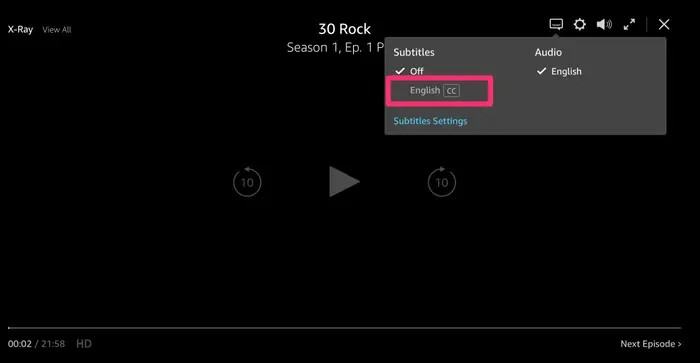
On Windows and Mac, open Prime Video in a supported browser and start the title. Move the pointer over the player to reveal the controls, select the speech-bubble or subtitles icon, and choose an available subtitle or caption language. The menu displays only the tracks offered for that title and region.
Mobile Apps, TVs, and Streaming Devices
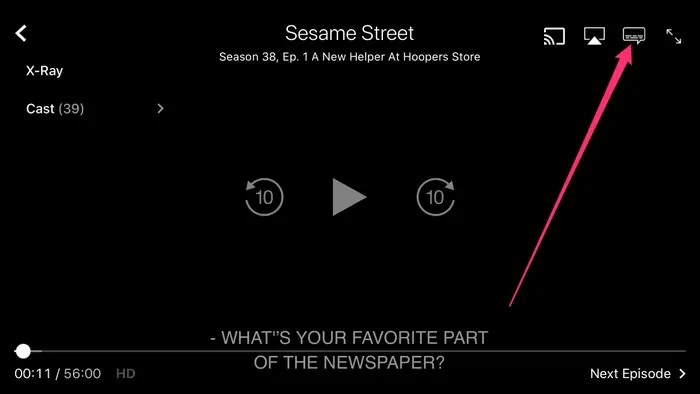
On Android and iOS, tap the video to reveal the playback controls, select the subtitles or captions icon, and choose a listed track. If captions are missing or out of sync, first reselect the track, restart or update the app, and compare another title or device rather than assuming a specific internal cause.
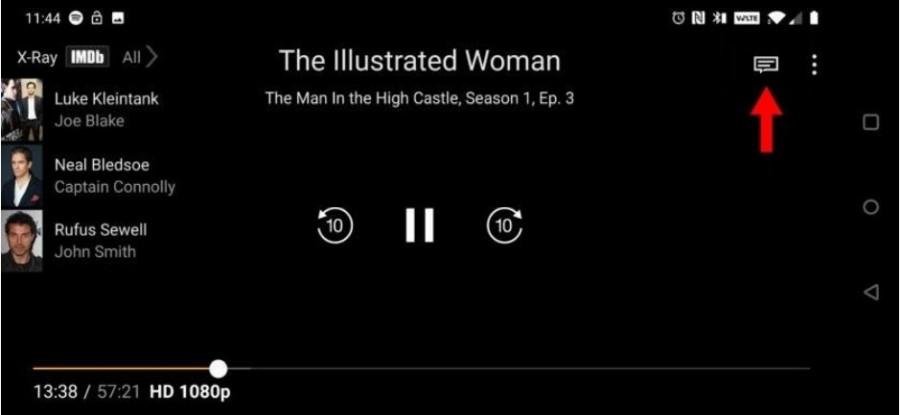
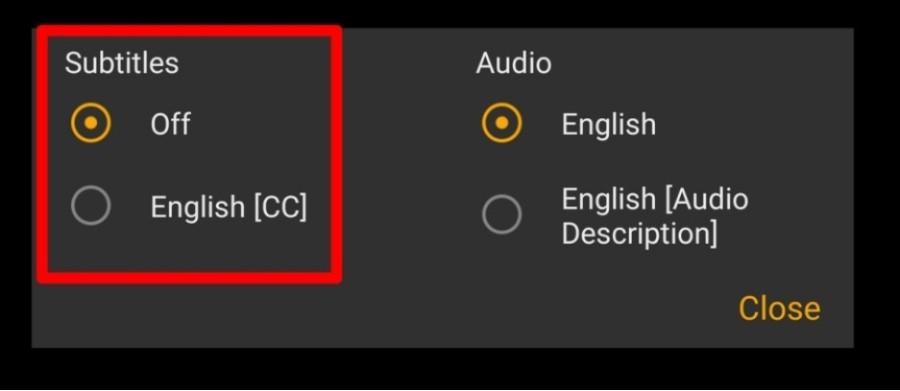
On Fire TV, Roku, Apple TV, smart TVs, game consoles, and similar connected devices, use the remote or controller to open the playback controls, then select the CC, subtitles, or Subtitles and Audio option. Menu names differ by device. If no caption control appears, confirm that the title offers the language, update the Prime Video app, and compare playback on another supported device.
Subtitle Style and Accessibility
Prime Video may provide controls for subtitle size, color, background, opacity, or accessibility presets, but the available options depend on the device. Some TVs and streaming devices use system-level caption settings instead of Prime Video's in-player styling menu.
Accessibility Tip:If subtitle styling changes do not appear, check both the Prime Video playback menu and the device's system accessibility settings. Some connected devices apply caption size, color, and background settings at the operating-system level.
Choose SRT, VTT, or Remuxed Subtitles
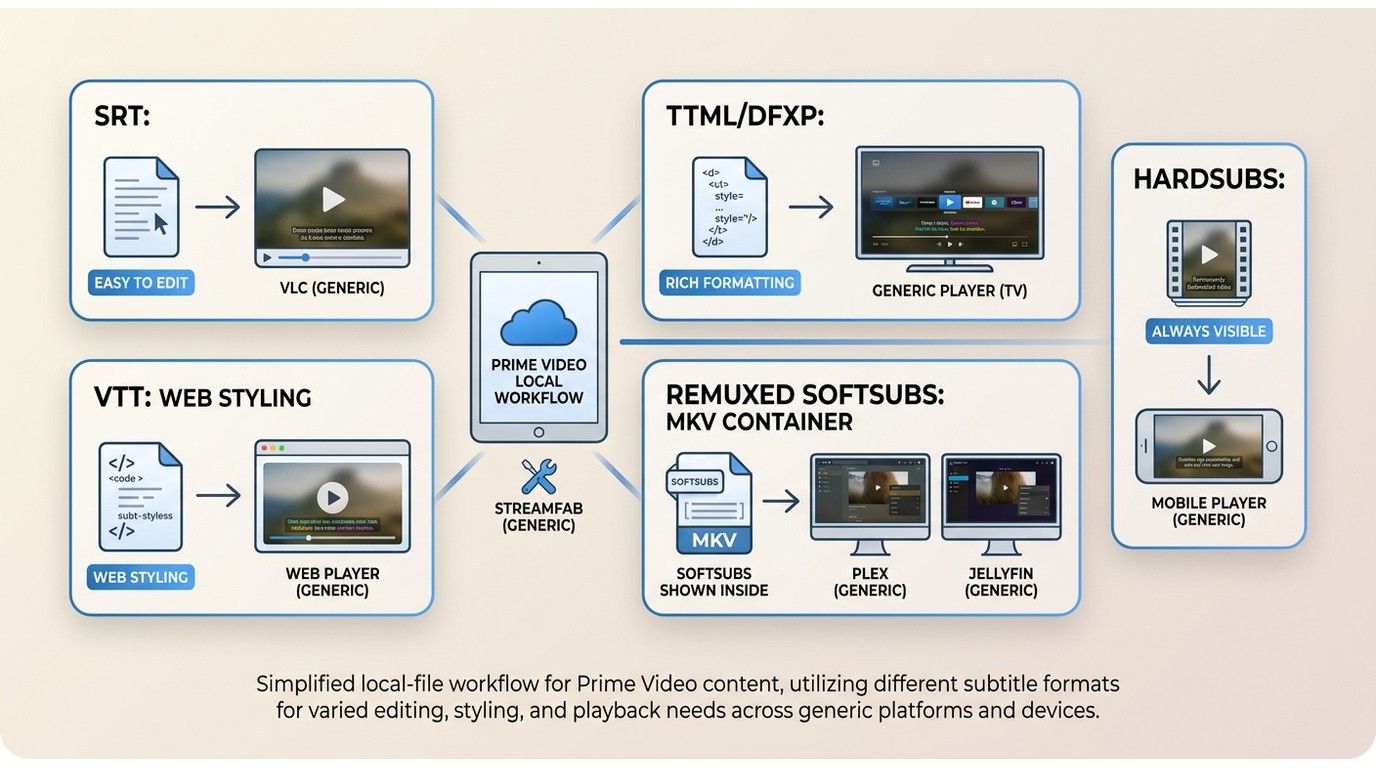
A standalone subtitle file and an in-app caption track solve different problems. External SRT files are usually the easiest to inspect, edit, retime, and use across local players. VTT supports web-oriented timing and styling, while TTML or DFXP may preserve richer formatting but has less consistent player support. Remuxed softsubs remain selectable inside a compatible video container; hardsubs are permanently visible within the picture and cannot be turned off.
| Subtitle type | Editability | Styling | Player compatibility | Best use |
|---|---|---|---|---|
| SRT | Easy to edit | Basic | Broad | Inspection, repair, and external playback |
| VTT | Editable | Supports web cues and styling | Strong in web players; varies elsewhere | Web-oriented subtitle workflows |
| TTML or DFXP | Editable but more complex | Rich formatting | Varies by player | Preserving structured caption data |
| External subtitle file | Easy to replace | Player-dependent | Broad when filenames and language tags match | Flexible local libraries |
| Remuxed softsubs | Requires container tools to change | Player-dependent | Requires compatible container and client | A tidy single-file library |
| Hardsubs | Not separately editable | Fixed in the picture | Visible wherever the video plays | Situations where selectable tracks are unnecessary |
For most local-file workflows, external SRT is the practical starting point because errors are easy to spot and repair. Remuxed subtitles are tidier, but they should be tested in the intended player before processing a full batch.
Unofficial browser extractors and userscripts may offer SRT, VTT, or TTML output, but they can require broad browser permissions, manual configuration, and retesting after Prime Video changes. They suit technically comfortable users handling an occasional title, while a transcription service can generate subtitle text when no usable caption track exists. Avoid uploading private media to a service unless its data-handling terms meet your needs. For broader subtitle-file guidance, see how to download subtitles for movies.
Download Subtitles with StreamFab
StreamFab Amazon Downloader is a separate Windows and Mac desktop workflow, not part of Prime Video's official download feature. It uses recording technology to save a local copy of content available through an active subscription for personal offline use where permitted by platform terms and applicable law.
For authorized Prime Video content, it supports video output up to 1080p in MP4 or MKV, H.264 or H.265 video, EAC3 5.1 or AAC 2.0 audio, subtitle downloads, language selection, and batch processing. Available subtitle tracks still depend on the title, language, region, and current service response.
This workflow is most relevant to Windows or Mac users who need selectable external or remuxed subtitle output and want to process more than one title. It is not ideal for mobile-only users or anyone who only needs captions inside the official Prime Video app. Test one title before starting a batch because player support and subtitle availability can vary.
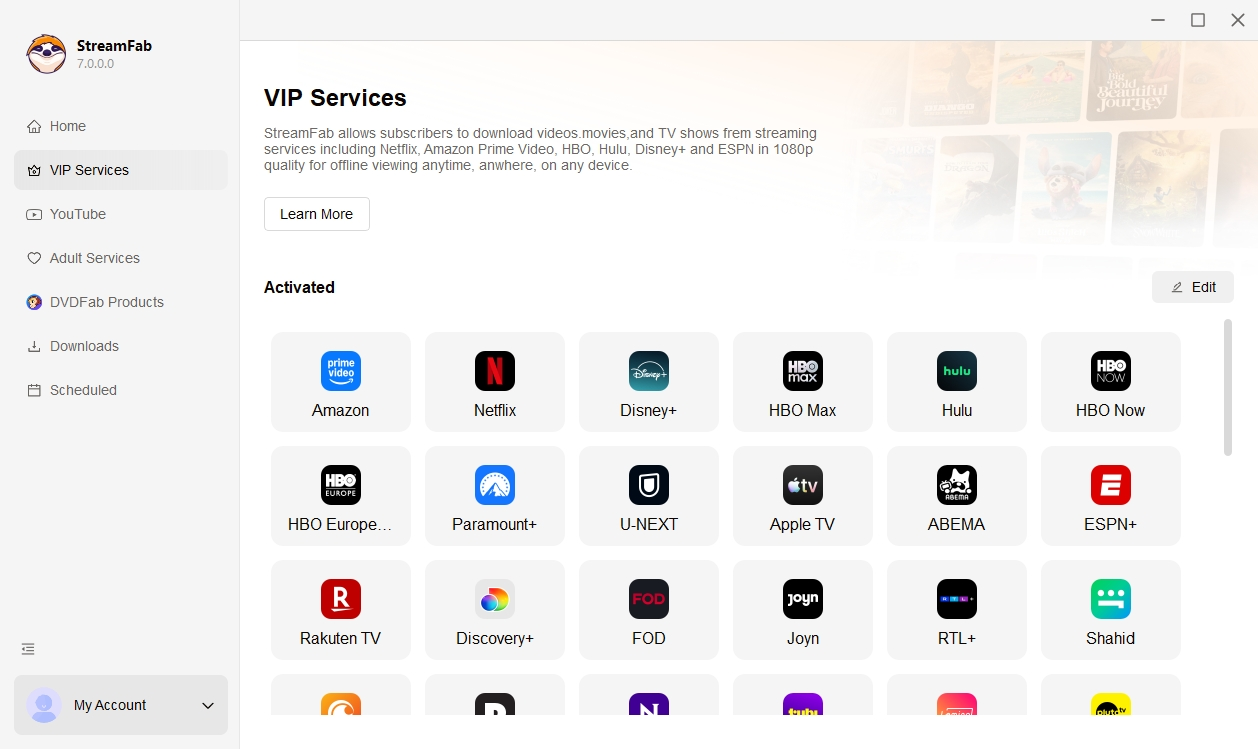
Step 1: Confirm the prerequisites: a Windows or Mac computer, sufficient local storage, an active Prime Video subscription, and a title that offers the subtitle language you need. Launch the software, select VIP Services, and open Prime Video in the built-in browser.
Step 2: Sign in to Prime Video and open the title you are authorized to access. Allow the analysis screen to load the available video, audio, and subtitle choices.
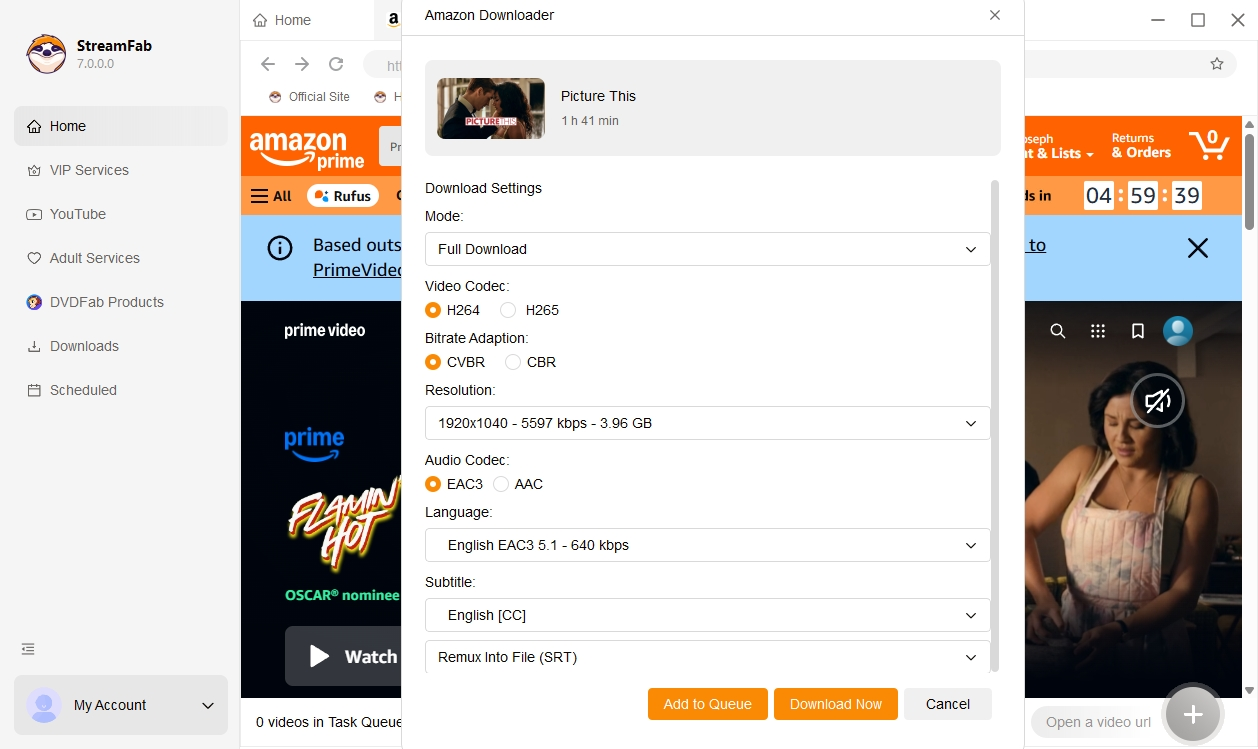
Step 3: Choose the available resolution, audio track, subtitle language, and subtitle output shown in the analysis screen. Distinguish full captions or CC/SDH tracks from forced narrative and chapter or metadata labels. Save one sample before adding a season or multiple titles to the queue.

Verify Tracks Before and After Downloading
Before downloading, preview every track label, select the needed languages, and confirm whether the title offers full captions, CC or SDH, forced narrative, or another track type. After saving the sample, test external SRT and remuxed output separately. Confirm the language and timing in VLC, then check the intended Plex or Jellyfin client. A selected track can remain invisible when the player, container, subtitle style, or transcoding path does not support it correctly.
| Verification Check | Before Download | After Download | Why It Matters |
|---|---|---|---|
| Track Label | Distinguish full captions, CC or SDH, forced narrative, and metadata tracks | Confirm the selected language appears during playback | Similar labels can represent very different content |
| Output Type | Choose external or remuxed subtitles when the option is available | Test each output separately in VLC and the target client | Container and player support can change rendering behavior |
| Batch Readiness | Save one episode or title as a sample | Check timing, visibility, and language before expanding the queue | A sample prevents repeating a track-selection problem across a batch |
Fix Missing, Wrong, or Unsynced Subtitles
Subtitle problems are easier to solve through observable checks than by guessing at internal playback protocols. Start by confirming that the title offers the desired track, reselect the language, restart or update the app or desktop tool, disable a VPN for a comparison test, try another device or player, and test an external SRT when available.
| Symptom | What to check | Next step |
|---|---|---|
| Track is missing or disappears | Title-level language availability, selected region, app state, and current service response | Restart or update, compare another title, then test another device |
| Wrong language appears | Audio language, subtitle language, and saved player preference | Reselect the track and remove any incorrect default-language rule |
| Forced text appears instead of full captions | Whether the label identifies forced narrative, CC/SDH, or a full subtitle track | Select the full track and verify it with a short scene |
| Timing is early or late | Whether the subtitle and video came from the same title version | Test another output type or adjust the external subtitle timing in a compatible editor |
| Remuxed track is selected but invisible | Container support, player rendering, subtitle styling, and transcoding behavior | Test an external SRT in VLC, then compare the target Plex or Jellyfin client |
| A language changes while traveling | Regional catalog differences and VPN conditions | Disable the VPN for comparison and confirm the title's available tracks again |
FAQ
Can I add my own subtitle file inside the Prime Video app?
Prime Video does not provide a general user-facing option to import a personal SRT or VTT file. If you have an authorized local video copy, a compatible local player can load an external subtitle file separately.
Can I save Prime Video subtitles as an SRT file on Android?
The official Android app can retain available captions with an in-app download, but it does not offer a general standalone SRT export. A reusable subtitle-file workflow typically requires a desktop method.
Why do Prime Video subtitles disappear or show the wrong language?
Confirm that the title offers the desired track, reselect the language, restart or update the app, and compare another device. Region or VPN conditions and confusion between forced and full-caption tracks can also change what appears.
Why is a downloaded subtitle track selected but invisible?
The player may recognize the track without rendering it correctly. Test an external SRT and a remuxed track separately in VLC, then check the container, subtitle styling, transcoding behavior, and the intended Plex or Jellyfin client.
Conclusion
The practical choice depends on the output you need. Use official Prime Video captions for straightforward in-app offline viewing, choose an editable SRT or VTT workflow when you need a reusable text file, and consider a verified desktop workflow when subtitle-output control and batching matter.
Whichever method you choose, verify one title before processing more content. Subtitle availability and labels can change with the title, region, player, and service response. If you need a Windows or Mac local-file workflow, review the available subtitle choices in StreamFab and select the output that works with your intended player.

Learn how to fix Amazon Prime Video offline playback errors in 2026. Discover official download rules, device limits, DRM handshake issues for a stable offline experience.
By Jacob Harrison - Sep 28, 2026

Choose among ten Prime Video movie picks, from documentaries and courtroom drama to action comedy and science fiction. Compare access labels and named rating signals, then match a film to your mood. The guide also explains membership offers, catalog changes, and personal offline-viewing options.
By Nicole Lopez - Sep 24, 2026
Running into Error Code 0.6 on Prime Video can ruin movie night, but it’s usually fixable. This guide walks through quick checks, explains the cause, and shares device-specific fixes.
By Nicole Lopez - Sep 23, 2026
Yes, you can directly download Amazon Prime video on Mac through the official macOS app (subject to a strict 30-day limit) or utilize third-party downloders to export permanent local MP4 files. Explore my 2026 technical tests to avoid blackout restrictions.
By Erika Leen - Aug 26, 2026