
How to Save Facebook Videos to Camera Roll on iPhone or Android

Summary: The frustrating part about trying to save Facebook videos to camera roll is that Facebook's Save button, a downloaded file, and the Photos app are three different destinations. Start with Facebook's download option when it appears for content you own. For a suitable public link, a browser tool may work; screen recording is a quality-limited fallback; and a local-file tool can make sense for repeated, authorized offline viewing.
Table of Contents
Fastest Ways to Save Facebook Videos
The fastest method depends on who owns the video, whether the post is public, which device you have, and whether you need a bookmark or an actual phone file. My rule is simple: use the official route first because it reduces both privacy exposure and cleanup work.
- Eligible video you own: Look for Download video or Save to device in the post menu. This is the cleanest way to download your own Facebook video when Facebook provides the control.
- Suitable public post: Copy the post link and use a reputable Facebook video downloader, then check the browser's Downloads folder.
- Short clip with no usable download route: Use the phone's screen recorder if the video plays normally and a screen capture meets your quality needs.
- Repeated authorized offline viewing: Consider a local-file workflow when you need format choices, batch handling, or desktop-to-phone transfer.
Choose a Method by Video Type
Ownership and visibility decide what is practical, but technical access does not create permission. A private Facebook video download should be considered only when you own the clip or have clear authorization, and private links or account credentials should not be submitted to public web services.
- Owned and eligible: Use Facebook's download control, then move the file to Photos or Gallery if necessary.
- Public and authorized: A browser service may be convenient, although support and output quality vary.
- Login-required: Avoid services that ask for your Facebook password or request a private group URL.
- Need a quick visual copy: Screen recording can work, but notifications, controls, aspect ratio, audio, and resolution can affect the result.
Facebook Saved Items vs Camera Roll
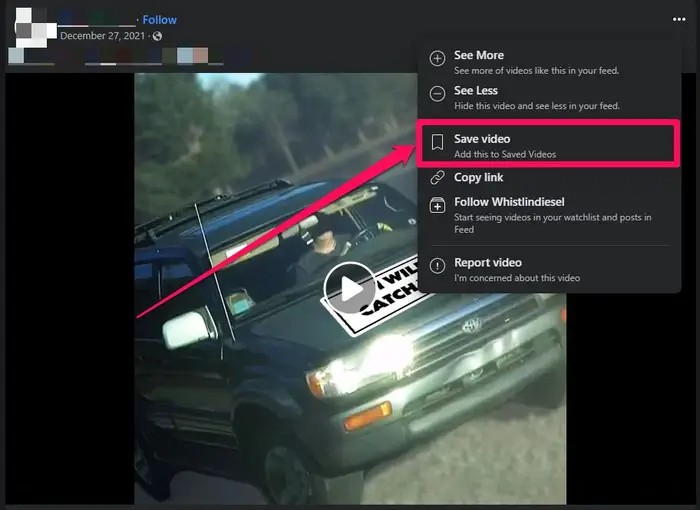
Facebook Saved vs camera roll is a bookmark-versus-file distinction. The standard Save action usually places a post in Facebook's Saved collection, while an eligible Download or Save to device option creates a file that can be stored in Downloads, Photos, or Gallery.

- Open the video's menu and read the exact action label.
- If it says Save video, check Facebook's Saved area for a bookmark.
- If it says Download video or Save to device, check the phone's Downloads location after completion.
- Step 1:Open the Facebook post menu and check whether the action is Save or Download.
- Step 2:Use Download or Save to device when it is offered for content you own.
- Step 3:Confirm the file in Downloads, Photos, Gallery, or Google Photos before repeating the process.
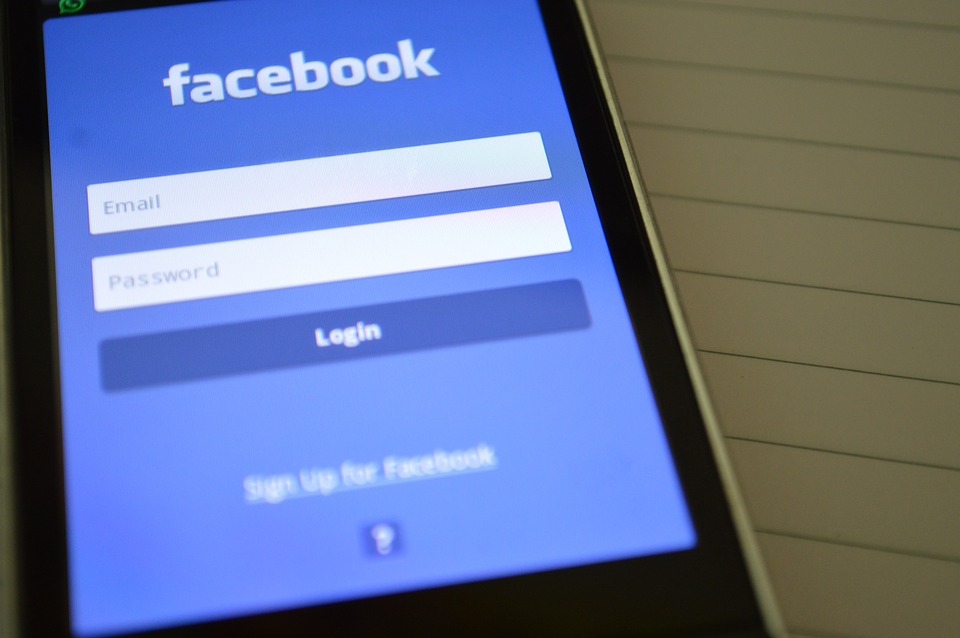
I separate these destinations before troubleshooting because repeatedly tapping Save will not move an in-app bookmark into a phone library. Facebook's published live video retention policy also shows why availability can depend on the content type and uploader's choices.

A saved bookmark still depends on the Facebook post remaining available. If you need a phone file and have permission to copy the video, look for an eligible download action or choose another authorized workflow.
Save Facebook Videos on iPhone and Android
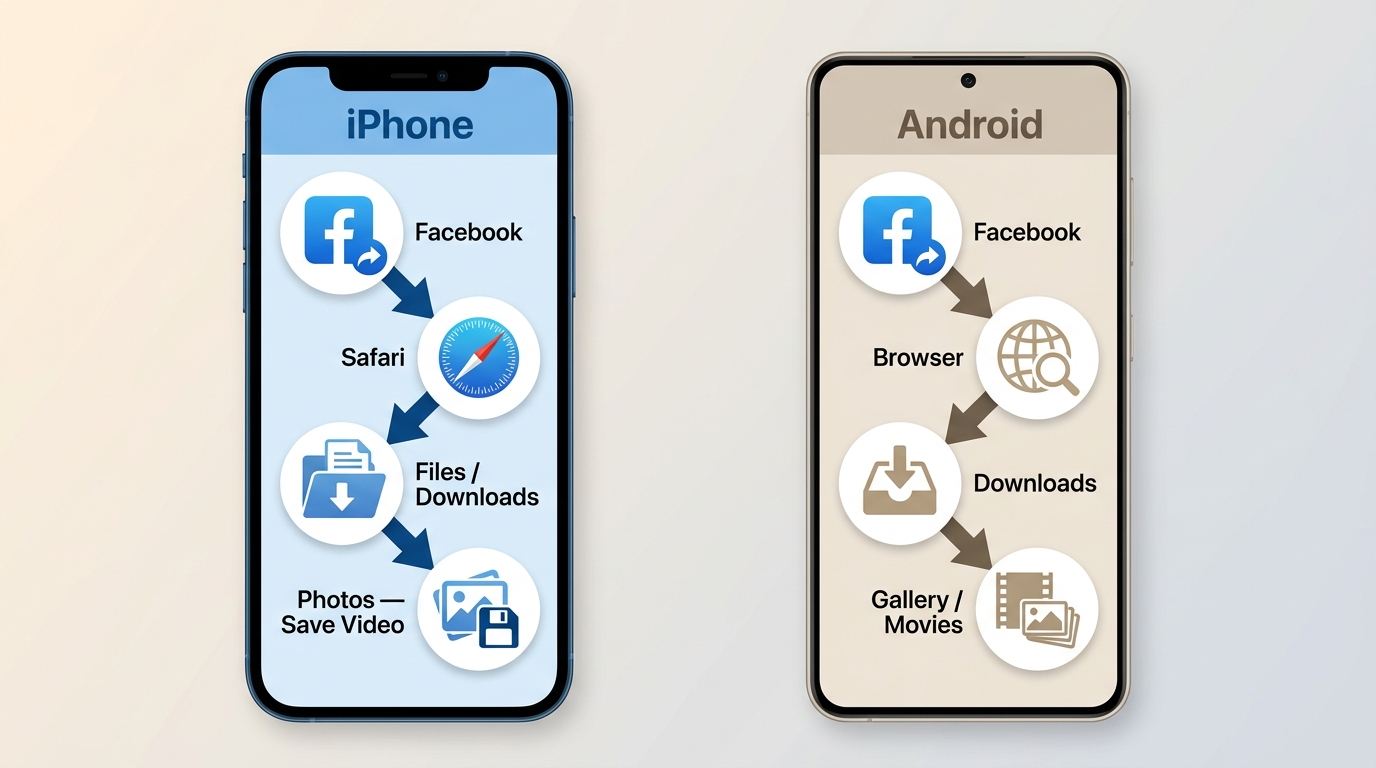
A completed browser download may not appear in the Camera Roll immediately. On iPhone, move the file from Files into Photos; on Android, confirm the file in Downloads and allow Gallery or Google Photos time to index it.
iPhone: Move Downloads into Photos
To save Facebook video to iPhone, first obtain an authorized file through Facebook's eligible download option or a suitable browser workflow. Safari commonly puts the result in Files rather than Photos, so the final Share Sheet step matters.
- For an eligible public post, tap Share and copy the link. For content you own, use Facebook's Download video or Save to device action when available.
- If using Safari, complete the download and tap the download arrow in the address bar.
- Open the file in Files > Downloads and confirm that it plays with sound.
- Tap Share, then choose Save Video. Open Photos and check Recents or the Videos media type.
In a workflow check on an iPhone 15 running iOS 18.5, a Safari-downloaded MP4 remained in Files until Save Video was selected; after that handoff, it appeared in Photos. That is why I check Downloads before deciding that an iPhone method failed.
Android: Move Downloads into Gallery
To save Facebook video to Android, complete the authorized download, then locate the file with Files by Google, My Files, or the browser's Downloads panel. A Facebook video to gallery transfer may happen automatically, but folder scanning and permissions can delay visibility.
- Use Facebook's eligible download control for your own video, or copy a suitable public link into a browser service you trust.
- Open the browser menu and select Downloads, or open the phone's file manager and choose Downloads.
- Play the file to verify video and audio, then move it to Movies or DCIM if your Gallery app does not display the Downloads folder.
- Open Gallery or Google Photos. If the file is still missing, review the app's photo and video permissions, then reopen it.
On a Pixel 9 running Android 16, a completed browser download appeared under Files by Google > Downloads before Google Photos indexed it. Moving the file to Movies made the destination clear without downloading the clip again.
Fix Failed Downloads, Missing Audio, and Low Quality
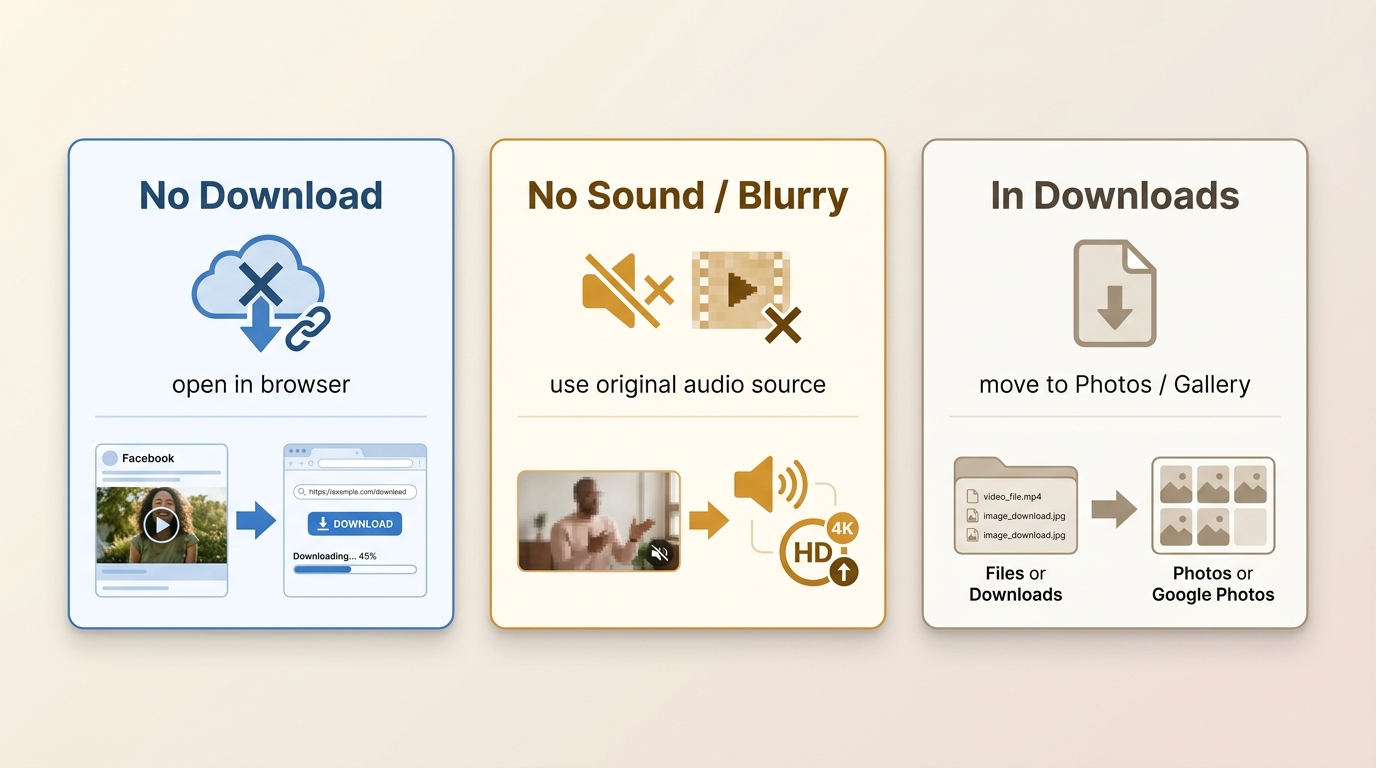
Most failures fall into one of three groups: the video is not eligible or accessible, the chosen tool cannot process that link, or the file exists outside Photos or Gallery. Diagnose the symptom once, then switch methods instead of feeding the same broken workflow repeated attempts.
No Download Option or Unsupported Link
A missing Download option does not necessarily mean the app is broken. The control may be limited to eligible content, while public-link services may reject changed, private, age-restricted, regional, or login-required URLs.
- Confirm that you opened the original post rather than a feed preview or shared wrapper.
- For your own video, check the post menu on both the app and desktop site for an eligible download action.
- For a public post, recopy the link and remove accidental text around the URL.
- For private or group content, stop if the method asks you to expose credentials, cookies, or a private link to an outside service.
My cutoff is two clean attempts: if a link is valid and the service still rejects it, change the method. Repeating the same request rarely improves privacy, quality, or the odds of a usable file.
Video Has No Sound or Looks Blurry
Missing audio and low resolution are usually output limitations rather than Camera Roll problems. Replay the source, inspect the downloaded file before moving it, and compare the result with a screen recording only if personal capture is authorized.
- Screen recording fit:Use it for a short authorized clip when a visual copy is sufficient and the video plays normally on the device.
- Screen recording limits:Notifications, player controls, aspect ratio, source restrictions, audio routing, and re-encoding can reduce the result.
In a screen-recording check on a Galaxy S24 running Android 15, a public user-posted clip retained audio, but the output reflected the phone's playback resolution and on-screen framing rather than the source file. If capture restrictions are the issue, understanding why phones may fail to screen record protected videos is more useful than repeatedly changing recorder settings.
File Is in Downloads, Not Photos
If the video plays from Downloads, the download succeeded. On iPhone, use Share > Save Video from Files; on Android, move the file to Movies or DCIM and check Gallery or Google Photos permissions. This final folder step solves many apparent Facebook video to gallery failures.
Browser Downloaders and Their Limits
A browser-based Facebook video downloader can be convenient for a suitable public link, but support can change when Facebook changes its delivery flow. Privacy, pop-ups, output quality, audio, and private-video support vary by service, so convenience should not be confused with universal compatibility.
SnapSave is one active example of this tool category, not a guaranteed recommendation. The same caution applies to browser-based m3u8 downloaders: do not enter Facebook credentials, install an unexplained extension, or upload a private group link merely to test whether a service accepts it.
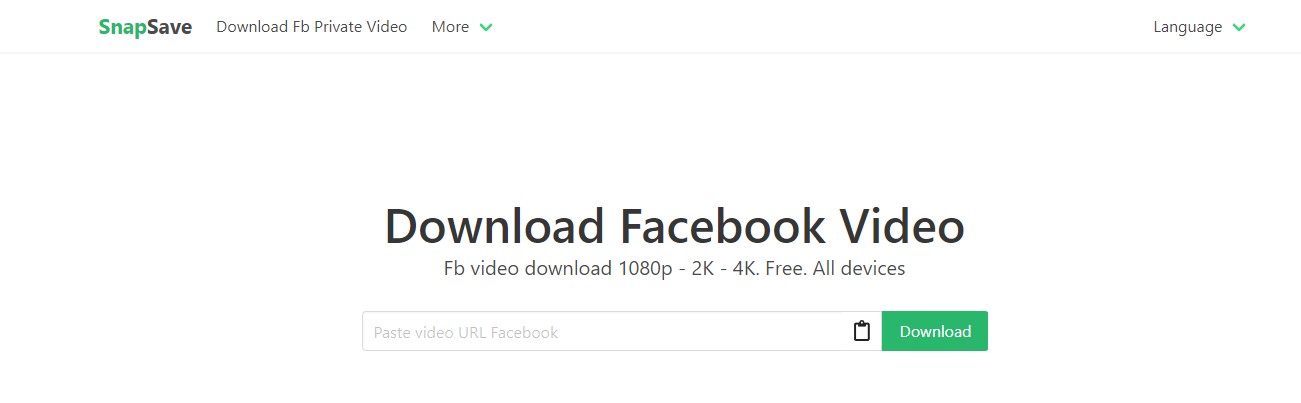
Best for: a public video you are allowed to save, when you need a quick file and can review the site's privacy and download behavior.
Not ideal for: private or login-required content, sensitive links, repeated batches, or any workflow that asks for account credentials.
The practical judgment is to stop when the privacy cost exceeds the value of the clip. A one-off public download should not require handing an unknown service the keys to your account (that is an absurd trade).
StreamFab for Authorized Offline Viewing
For personal offline viewing of content you are authorized to access, where permitted by platform terms and applicable law, StreamFab provides a local-file workflow on supported desktop systems, with an Android option for relevant mobile use. It fits repeated tasks better than a one-off eligible owned clip.
StreamFab for Android can be considered when a browser service is unsuitable and the content is legitimately available to the user. Keep the original platform subscription active where required, follow Facebook's rules, and use copied files for personal viewing rather than sharing or resale.

Quality, Format, and Batch Options
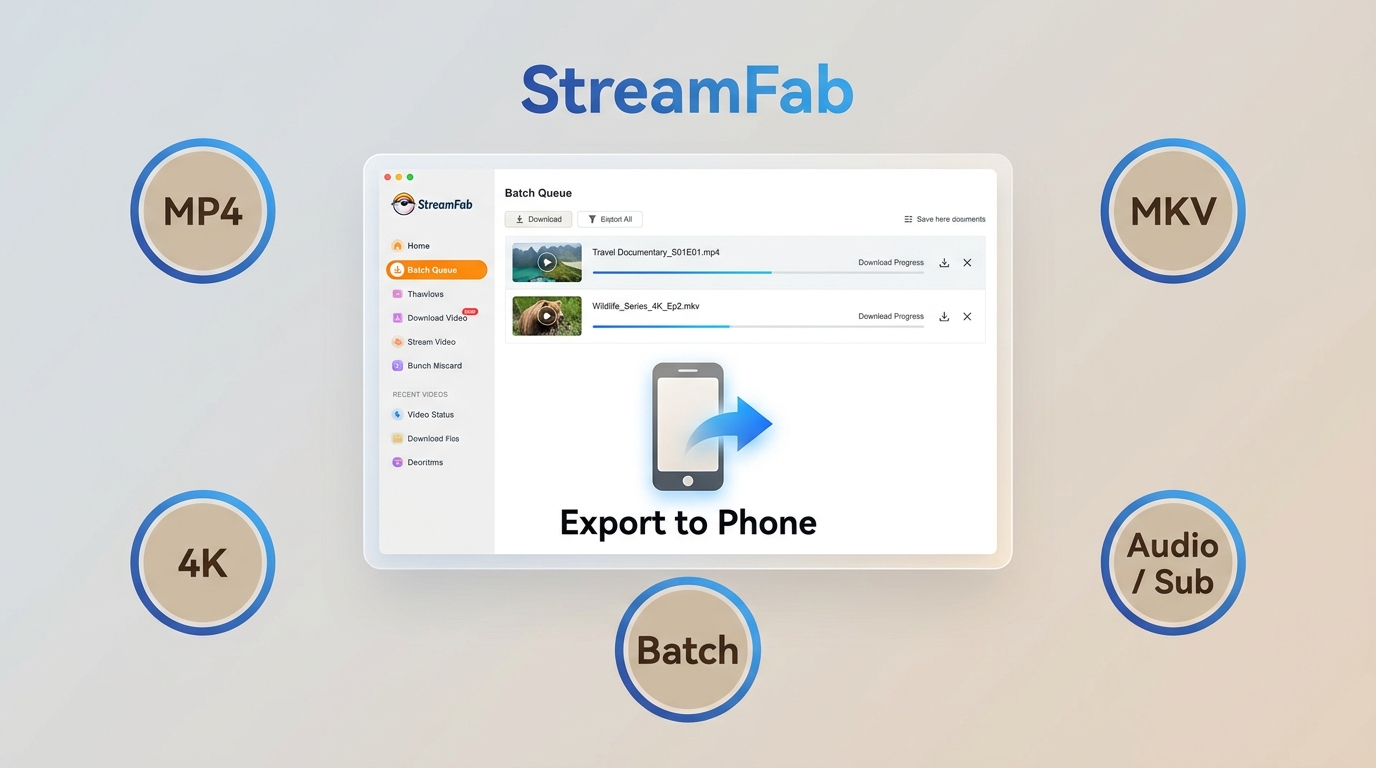
The verified feature set includes MP4 and MKV output, quality up to 4K in supported workflows, selectable audio and subtitles, metadata writing, batch downloads, and follow-up handling for subscribed series. Actual availability depends on the source, platform, account access, and product configuration.
- File formats:MP4 and MKV provide flexible local playback and phone-transfer choices.
- Track handling:Select available audio or subtitles and retain useful metadata where supported.
- Repeated tasks:Batch handling can reduce manual work when several authorized videos need the same destination.
Readers comparing local-file workflows across services can apply the same format, access, and destination checks described in downloading streaming videos. For this Facebook task, I would prioritize a playable MP4 and a clear transfer path over chasing the highest setting shown in a menu.
When StreamFab Fits and When It Does Not
Best for: readers who need several authorized local files, format control, selectable tracks, batch handling, or a desktop-to-phone workflow. Not ideal for: someone who needs one eligible video they own and can download directly from Facebook.

Fit check:Use StreamFab when the added file controls justify another app; use Facebook's eligible download option when it already completes the job.
That distinction keeps the recommendation honest. An added tool should remove a real bottleneck, not replace a simpler official action merely because it has more settings.
| Method | Best fit | Final phone destination | Quality and audio trade-offs | Common failure cases |
|---|---|---|---|---|
| Facebook Download or Save to Device for eligible owned content | A video you own when the download control appears | Downloads, Photos, Gallery, or another device folder | Depends on Facebook's available file | No download control; file remains in Downloads |
| Browser-based Facebook downloader | A suitable public link and a quick one-file task | Browser Downloads, then Photos or Gallery | Resolution and audio options vary by service | Unsupported link, pop-ups, low quality, missing audio, site changes |
| Phone screen recording | A short authorized clip when a visual copy is sufficient | Usually Photos or Gallery | Re-encoding, controls, notifications, framing, and audio routing can affect output | Blank output, muted audio, interruptions, limited resolution |
| StreamFab for Android or desktop transfer | Repeated authorized downloads or a managed local-file workflow | Local MP4 or MKV, then Android storage or phone transfer | Format, quality, audio, and subtitle choices depend on source and configuration | Unsupported source, account access issue, changed service behavior, transfer step omitted |
FAQs
These answers cover permission, private posts, iPhone automation, and the quickest fallback order without repeating the full procedures above.
Can I save someone else's Facebook video to my phone?
Being able to copy a link does not grant permission to save or reuse the video. Save content you own or have authorization to access, keep the use personal, and follow Facebook's terms and applicable law.
Can I save a video from a private Facebook group?
A private Facebook video download may not work with public-link tools, even when you can view the post while signed in. Follow the group's rules, obtain authorization, and never send account credentials, session data, or a private URL to an unknown service.
Is an iPhone Shortcut safe for saving Facebook videos?
Review every Shortcut action before running it. Avoid one that requests Facebook credentials, sends the URL or file to an unexplained server, installs a profile, or writes to an unexpected location. Use a trusted source and confirm the final Photos or Files destination.
What should I try when a downloader stops working?
Confirm the original link and its visibility, try Facebook's eligible download option for content you own, then choose another authorized method. Before starting over, check Downloads and move the completed file into Photos, Gallery, Movies, or DCIM.
Conclusion
To save Facebook videos to camera roll, use the least complicated authorized method that produces the file and destination you need. Start with Facebook's eligible download action, use a browser tool or screen recording when the trade-offs are acceptable, and reserve StreamFab for a genuine local-file workflow.
- One owned eligible clip:Use Facebook's download control and check Downloads, Photos, or Gallery.
- One suitable public clip:Use a reputable browser service without sharing credentials or private links.A short visual copy:Screen recording can work when quality and on-screen framing are acceptable.
- Several authorized local files:Consider StreamFab when format choice, batch handling, or desktop transfer saves real effort.Final check:Confirm authorization, play the file, and verify its phone destination before deleting the source copy.
My final recommendation is deliberately unglamorous: try the official path, check the Downloads folder, and escalate only when a specific limitation justifies it. Use any copied video for personal offline viewing within the permission you have.

Identify protected and unprotected M4V files, use authorized Apple TV playback, convert compatible files, or choose a separate supported-streaming workflow.
By Erika Leen - Sep 8, 2026
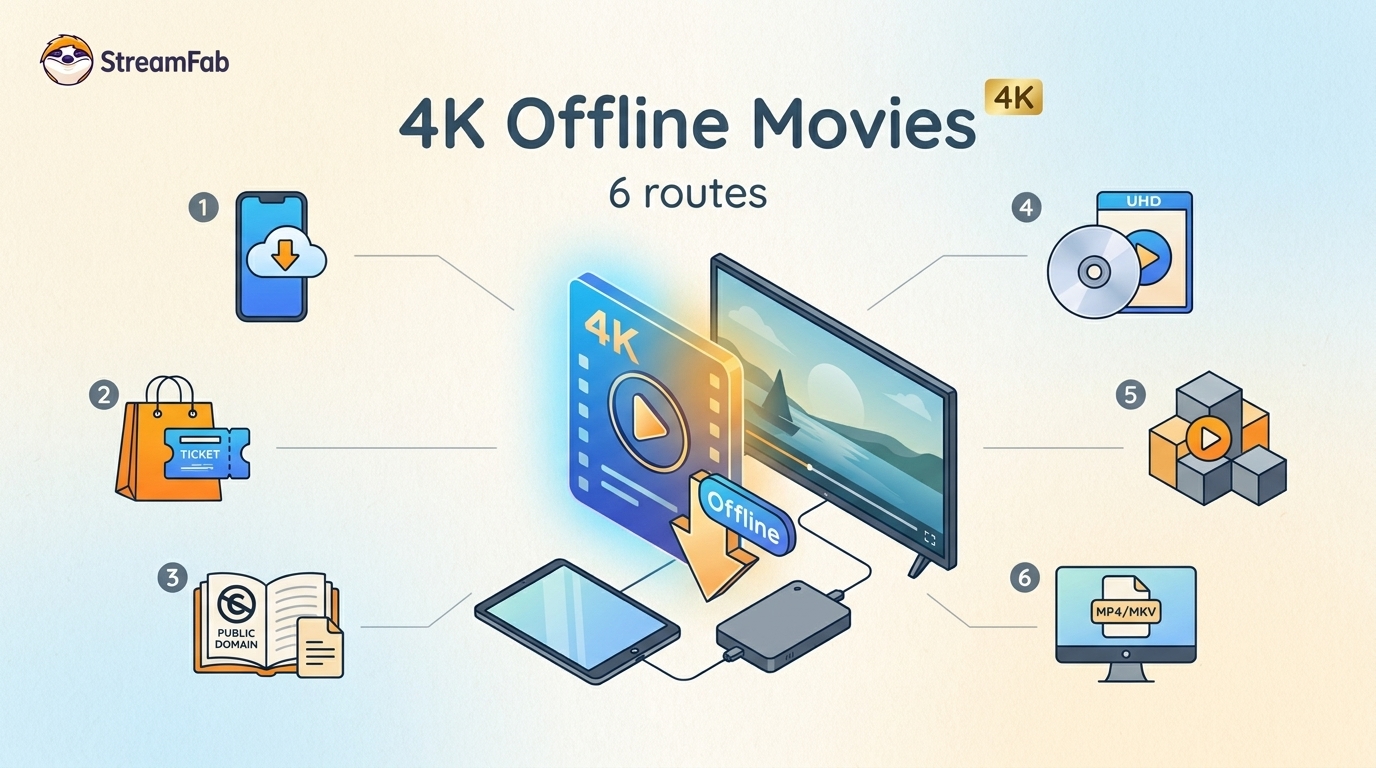
Legal 4K movie downloads do not all provide the same kind of offline access. Most mainstream services offer app-locked downloads, while portable movie files, UHD Blu-ray, public-domain media, and authorized desktop workflows involve different quality, cost, device, and licensing limits.
By Jacob Harrison - Aug 12, 2026
To get straight to the point, you can download a BitChute video as MP4 through its download icon: open the video, then use Save As. For authorized content where permitted, this guide explains when desktop, Android, or browser alternatives make sense.
By Marcia Hatcher - Aug 11, 2026
Looking to convert a link to MP4 in 2026? I've systematically tested top desktop and online converters to bypass Widevine DRM, dynamic tokens, and geoblocking for seamless PC and Android extraction.
By Jacob Harrison - Aug 7, 2026