
Netflix Error Code NW-3-6: 7 Fixes to Try First

Summary: Having trouble with netflix error code nw-3-6? Discover our in-depth 2026 expert guide detailing DNS resolutions, IPv6 mesh conflicts, and how to fix netflix nw 3 6 permanently by building a resilient offline media library.
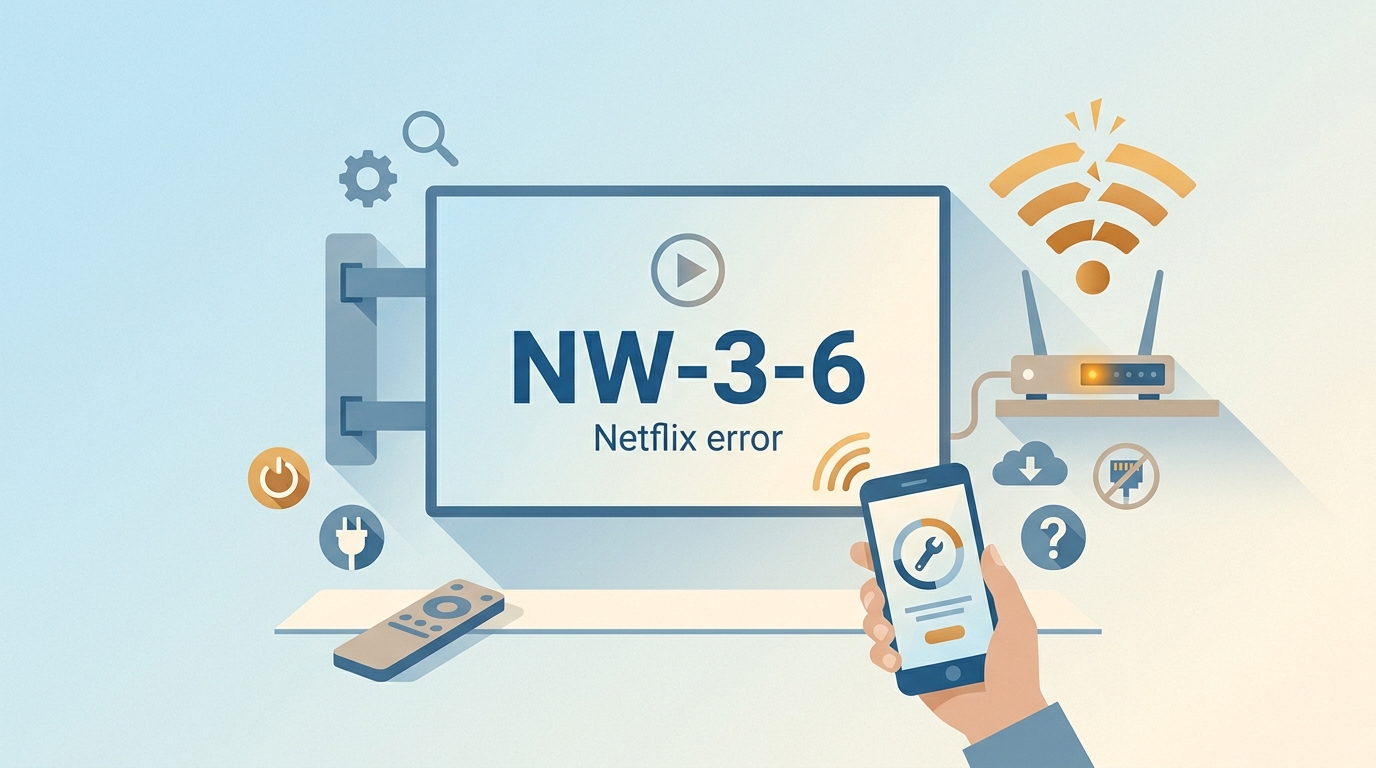
Netflix error code NW-3-6 means your device cannot reach Netflix, even when your internet seems to be working. The practical takeaway is to start with restarts and automatic settings, then use another device or hotspot to determine whether the problem is local or network-wide.
To fix Netflix NW-3-6, begin with low-risk checks rather than changing router settings immediately. A restart, automatic DNS and IP settings, and a quick comparison with another connection usually provide more useful direction than guessing at one technical cause.
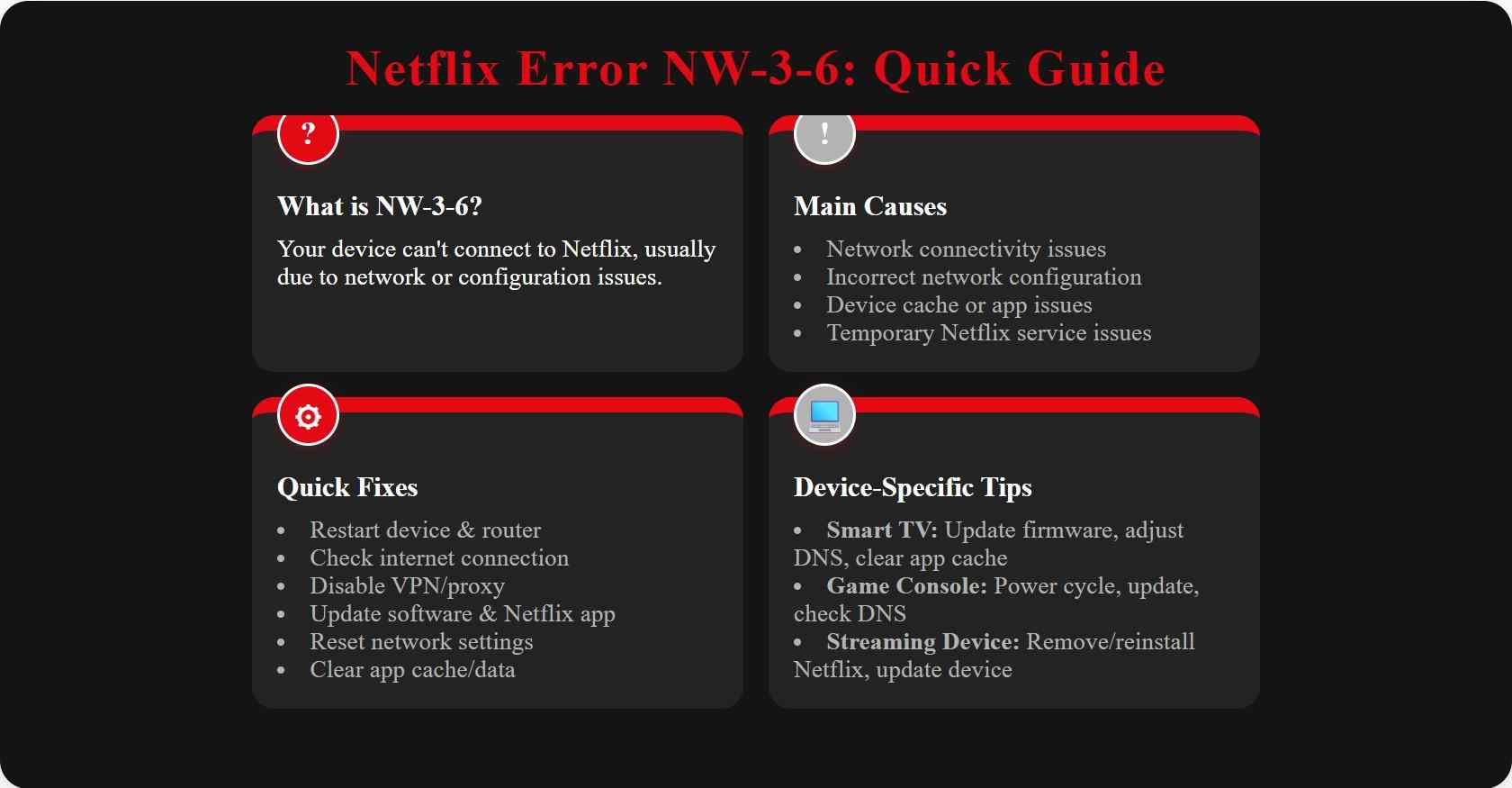
Netflix code NW-3-6 does not identify one universal cause. Diagnose the affected device and its connection path before trying advanced changes. If Netflix shows a different connection error, the troubleshooting steps for Netflix error code NW-2-5 may be more relevant.
What Netflix Error NW-3-6 Means
Netflix error NW-3-6 indicates a network issue that is preventing the device from reaching Netflix. The message can appear when the issue is limited to one device, the Netflix app, the home network, or the connection path, so it is more useful to isolate the affected branch before changing advanced settings.

A Netflix network error does not, by itself, prove that the router or internet provider is at fault. Start with the affected device and its default connection settings, then widen the check only if the same problem appears on other devices or apps.
Try These Fixes First
Use this low-risk checklist before changing DNS, IP, or router settings:
- Close Netflix and open it again.
- Restart the affected TV, console, or streaming device.
- Restart the modem and router, then wait for the connection to return.
- Restore automatic connection settings for DNS, IP, VPN, and proxy options.
- Try Netflix on another device, or run a mobile-hotspot test.
- Refresh the Netflix app by updating, clearing supported cache or data, or reinstalling it.
- Use the device-specific steps below if the error continues.
If Netflix works on a hotspot, that is evidence that the home network, DNS, firewall, or ISP path deserves attention, not proof of a single cause. Manual DNS or IP changes belong later and should be easy to reverse.

Smart TV Network and App Resets
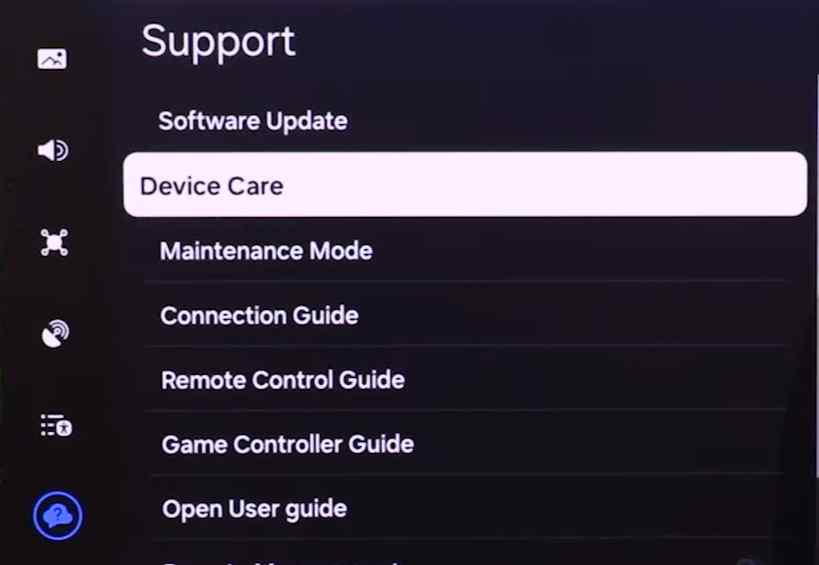
For a Netflix smart TV error that affects one television, start by restoring automatic IP and DNS settings, then restart the TV and reopen Netflix. If other streaming apps also fail on the same TV, check the home network before treating the Netflix app as the cause.
Restore Automatic Network Settings
Set the TV's IP and DNS options to Automatic or Obtain Automatically, then reconnect to the home network. This removes manual settings that may no longer match the router configuration without assuming that DNS is the cause.
- Open the TV's network settings.
- Select Automatic IP and Automatic DNS if those options are available.
- Reconnect to Wi-Fi or Ethernet.
- Restart the TV, then open Netflix again.
If the TV offers a network reset, use it only if the normal reconnect does not help, since it may remove saved network details.
Treat Manual Changes as Reversible Tests
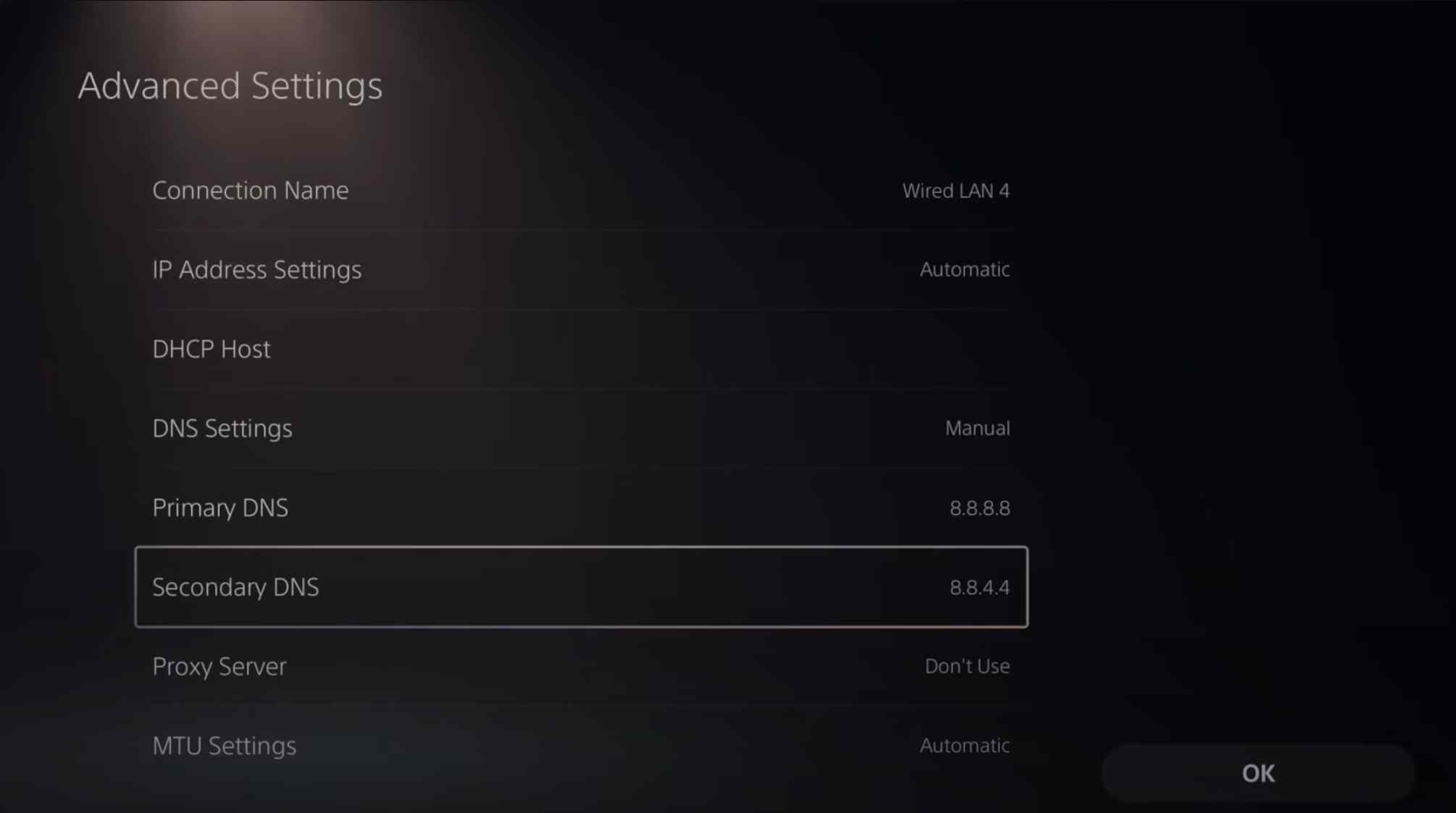
Only consider a manual DNS, static IP, or IPv6 change after automatic settings and app refresh steps fail, and follow the TV maker's instructions for that model. Record the original values first so you can restore them if the test does not help.
Console and Streaming Device Checks
This branch fits a one-device failure, especially when Netflix works elsewhere on the same home network. Keep the console or streaming device on its default network settings, perform a full power cycle, and refresh the Netflix app before changing router settings.
PlayStation and Xbox Default Settings
Leave MTU and other connection settings on their default values unless the console maker or internet provider gives a specific, reversible instruction. Then fully power-cycle the console and refresh the Netflix app.
- Open the console's network settings and confirm that connection options are automatic.
- Restart the console from its power menu.
- If needed, disconnect power briefly, reconnect it, and restart the console.
- Update or reinstall Netflix if the error remains limited to that console.
Roku and Fire TV App Resets
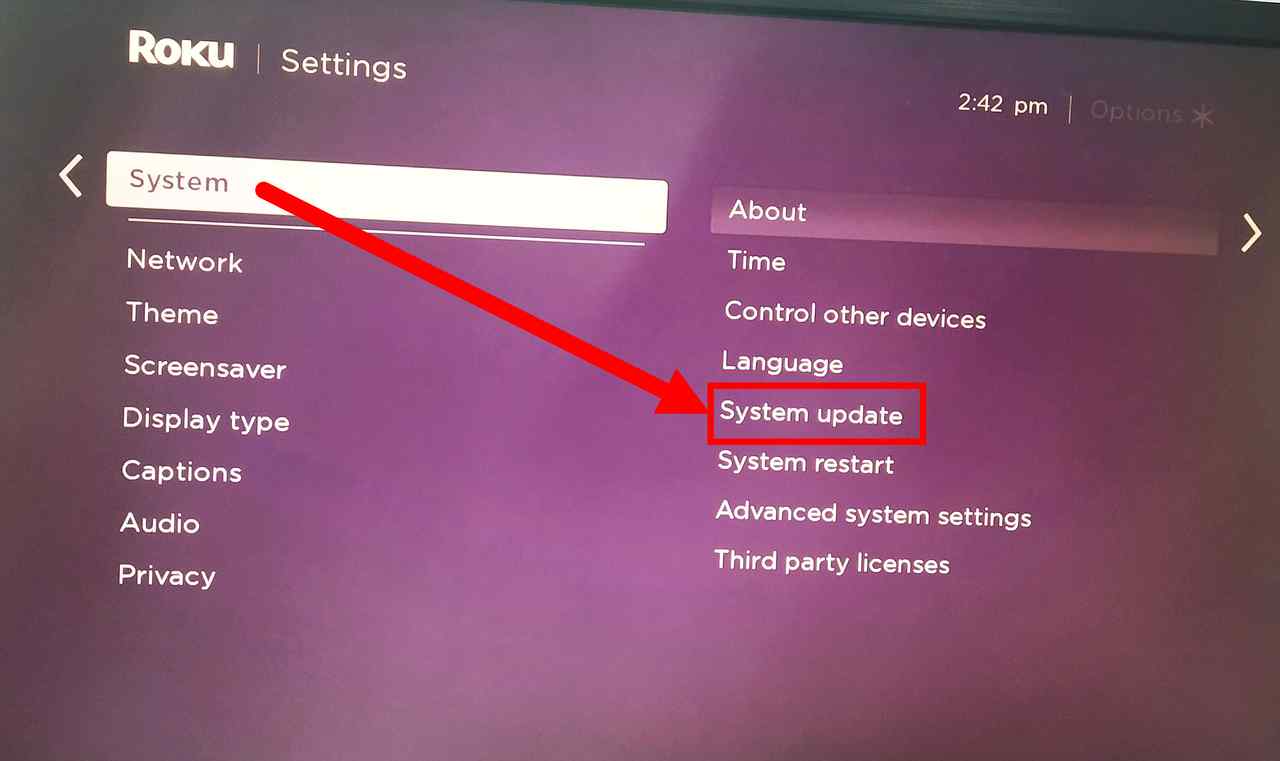
On Roku and Fire TV devices, close Netflix and restart the device first. If the device exposes cache, data, or app-management controls, use them according to its on-screen options; otherwise, update or reinstall Netflix.
Clearing app data or reinstalling Netflix can remove local app information and may require you to sign in again. This is most useful when the issue affects Netflix on one device, not every streaming app on the network.
Router, DNS, VPN, and ISP Checks
If Netflix fails on several devices or multiple streaming apps, restart the home network and restore automatic DNS, IP, VPN, and proxy settings. This wider branch is more reliable than assuming ISP throttling because it follows the pattern of the failure.
Use Custom DNS as a Reversible Test
Test a custom DNS resolver only after restoring automatic settings and restarting the home network. If it does not improve Netflix, return to the original automatic DNS setting rather than treating it as a required fix.
Turn Off VPN and Proxy Settings
Turn off VPN and proxy settings on the affected device or router, then try Netflix again. If multiple apps still fail after the home-network restart, contact your internet provider or router support; if the problem remains on one device, return to that device's app and network reset steps.
Optional Offline Viewing After Troubleshooting
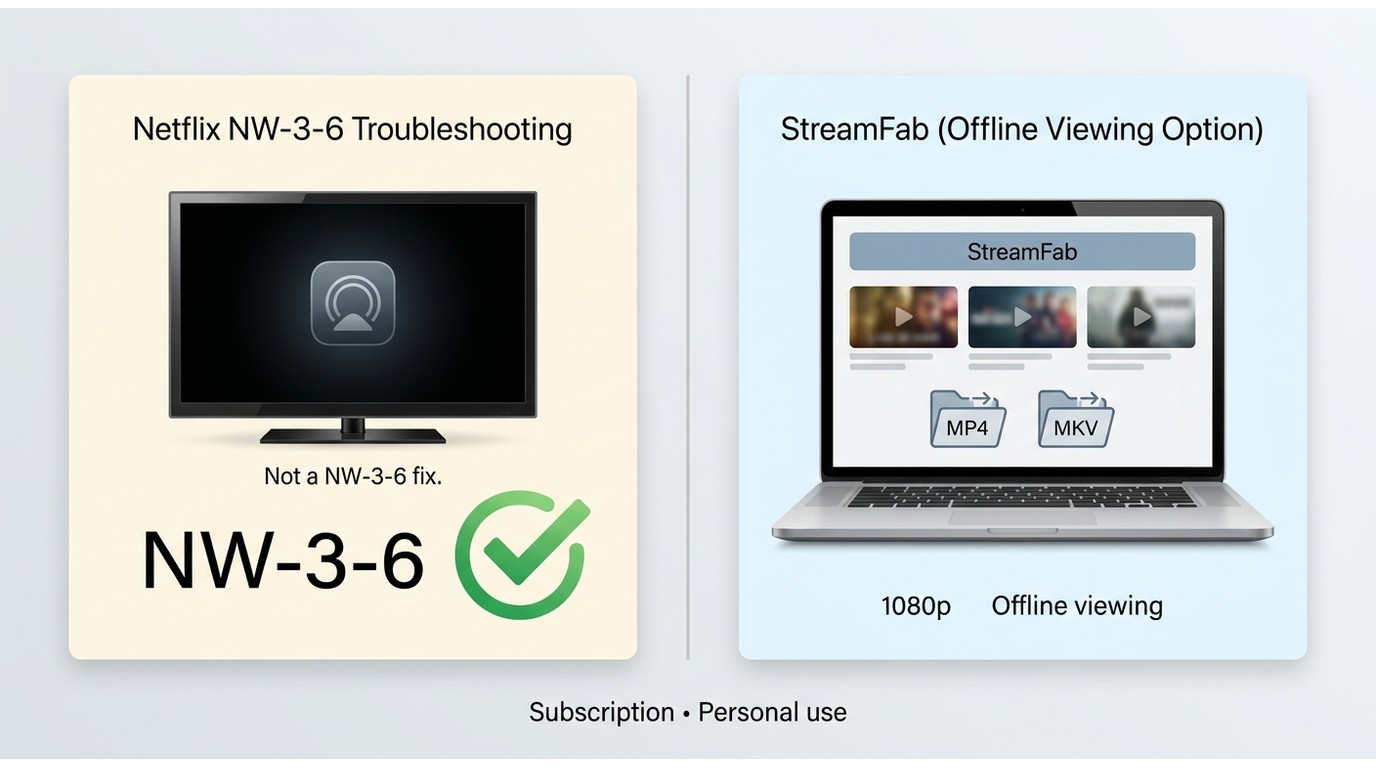
For content you are authorized to access, and where permitted by platform terms and applicable law, a desktop local-file workflow can be an optional choice for personal offline viewing when official downloads are unavailable. It does not fix NW-3-6 and still requires a working connection while the file is acquired.
Netflix's official managed-download feature may be sufficient for many viewers who need to download episodes on Netflix. A local-file workflow is more relevant to Windows or Mac users with a specific personal need for MP4 or MKV files, not to readers who simply need the Netflix app restored.
Where a Local-File Workflow Fits
StreamFab Netflix Downloader is separate from Netflix's official download feature and is intended for personal offline use with a valid Netflix subscription, subject to platform terms and applicable law. For Windows and Mac users comparing a Netflix video downloader, its practical value here is local-file format flexibility, not a repair for the Netflix app.
Verified StreamFab Limits and Features
StreamFab Netflix Downloader supports up to 1080p video, MP4 or MKV output, selectable subtitles, and batch downloads. HDR10 or Dolby Vision and Dolby Atmos are available on supported titles. These options can support personal local-file viewing, but they do not change the network checks above.
When the local-file approach fits your needs, it can support personal Netflix offline viewing after acquisition. It remains separate from troubleshooting the connection error itself.
FAQs
Conclusion
Start with restarts and default connection settings, then use another device or a hotspot to decide whether to focus on the affected device or the home network. If one device fails, refresh its Netflix app and reset its network settings; if multiple apps or devices fail, contact the ISP or router provider. No single step is a guaranteed permanent fix because NW-3-6 can be specific to the device, app, home network, or ISP path. A local-file workflow remains an optional offline-viewing choice, not a repair for this error.


Protected Netflix video can appear black in Discord screen shares. Set up a synchronized watch party with Teleparty and use Discord for voice chat, with eligible access for each participant. Learn how personal offline playback differs and how to troubleshoot ordinary, unprotected screen sharing.
By Nicole Lopez - Sep 28, 2026
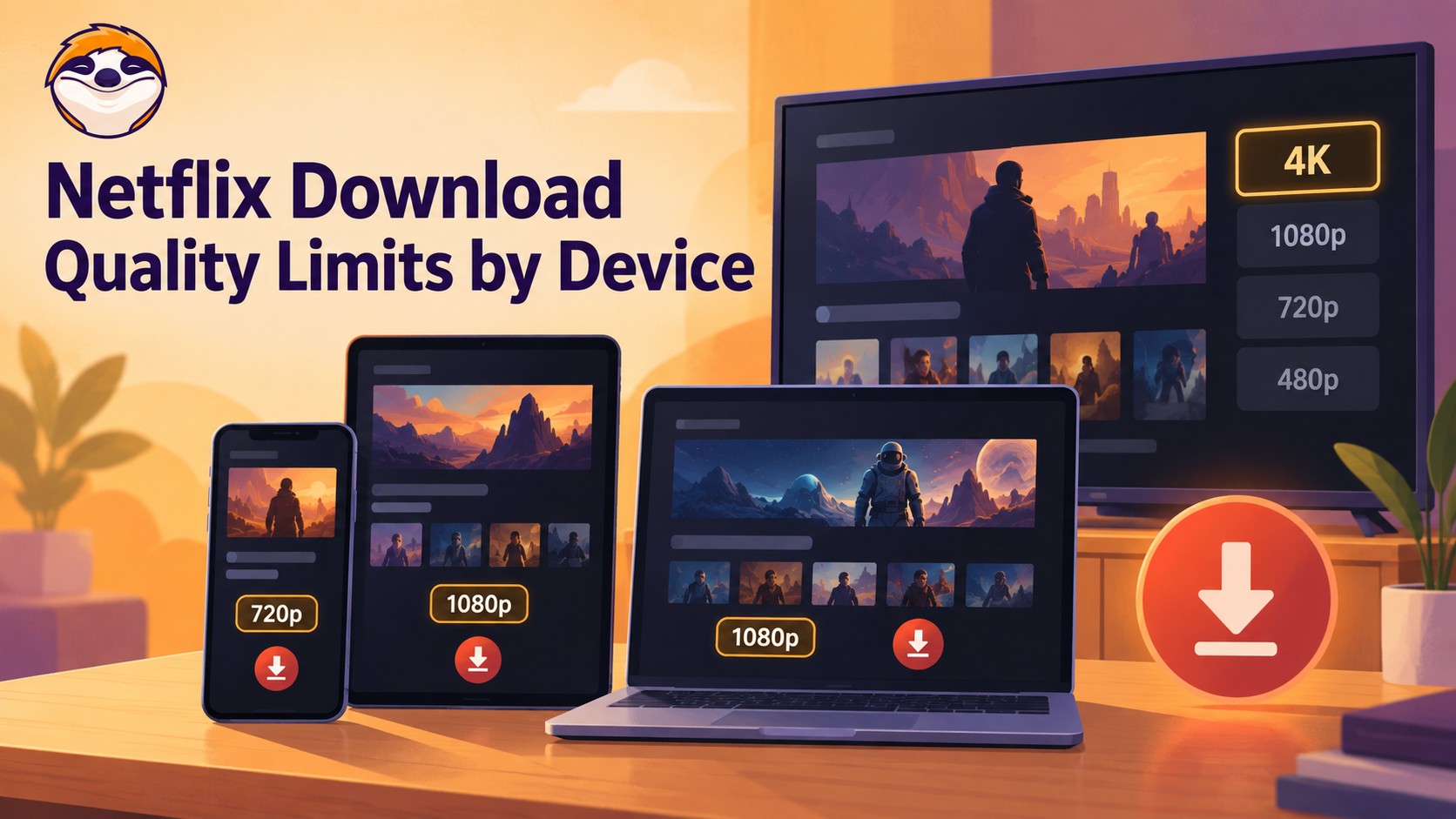
Netflix streams eligible titles in 4K, but official offline downloads stop at up to 1080p and are unavailable on Windows and Mac. Compare supported devices, check title eligibility, and understand how app-managed downloads differ from local MP4 or MKV files for personal offline viewing.
By Jacob Harrison - Sep 24, 2026
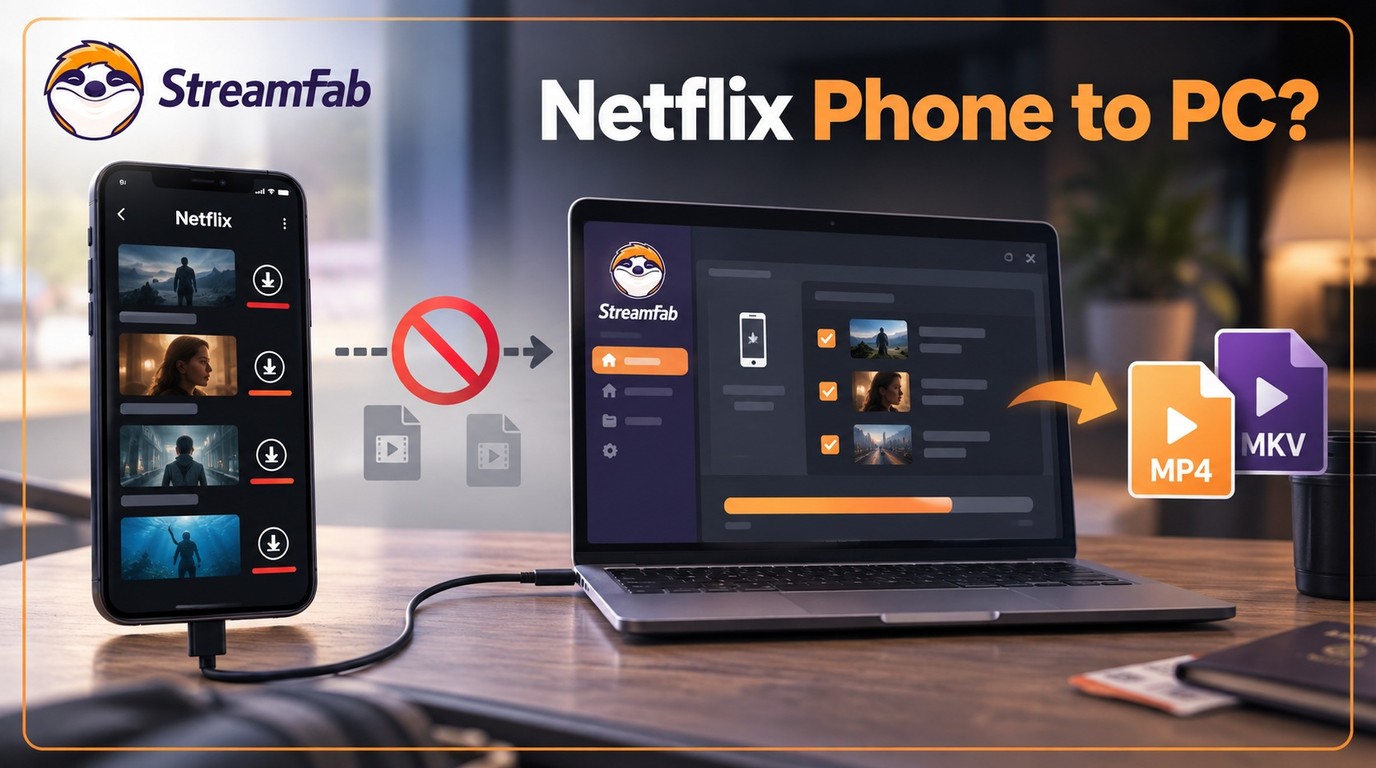
Can I transfer Netflix downloads from phone to computer? No direct method exists due to strict DRM, but you can convert them to MP4 for permanent cross-device offline viewing.
By Jacob Harrison - Sep 16, 2026
Netflix does not provide a native download path for macOS, but Mac users still have practical offline routes. This guide compares official iPhone and iPad downloads, cloud recording, and a desktop MP4/MKV workflow, with device requirements, measured StreamFab results, BlueStacks caveats, and troubleshooting steps.
By Marcia Hatcher - Sep 3, 2026