
Audials One 2026 Review: Pricing, Limits, Formats, and Verdict

Summary: Read our in-depth Audials One 2026 premium review to see how it handles new DRM updates. We compare Audials One 2025 vs 2026, explore recording black screens, and reveal the ultimate stream downloading alternative.
Here’s the short answer: Audials One 2026 is a capable Windows-focused recorder, but black screens, real-time capture, and browser-specific behavior remain part of the trade-off. This Audials One review separates its recording limits, AI enhancement options, pricing, and local-file alternatives.
Use note: Record or save only content you are authorized to access, where permitted by platform terms and applicable law. Keep local files for personal offline viewing.
Audials One 2026 at a Glance
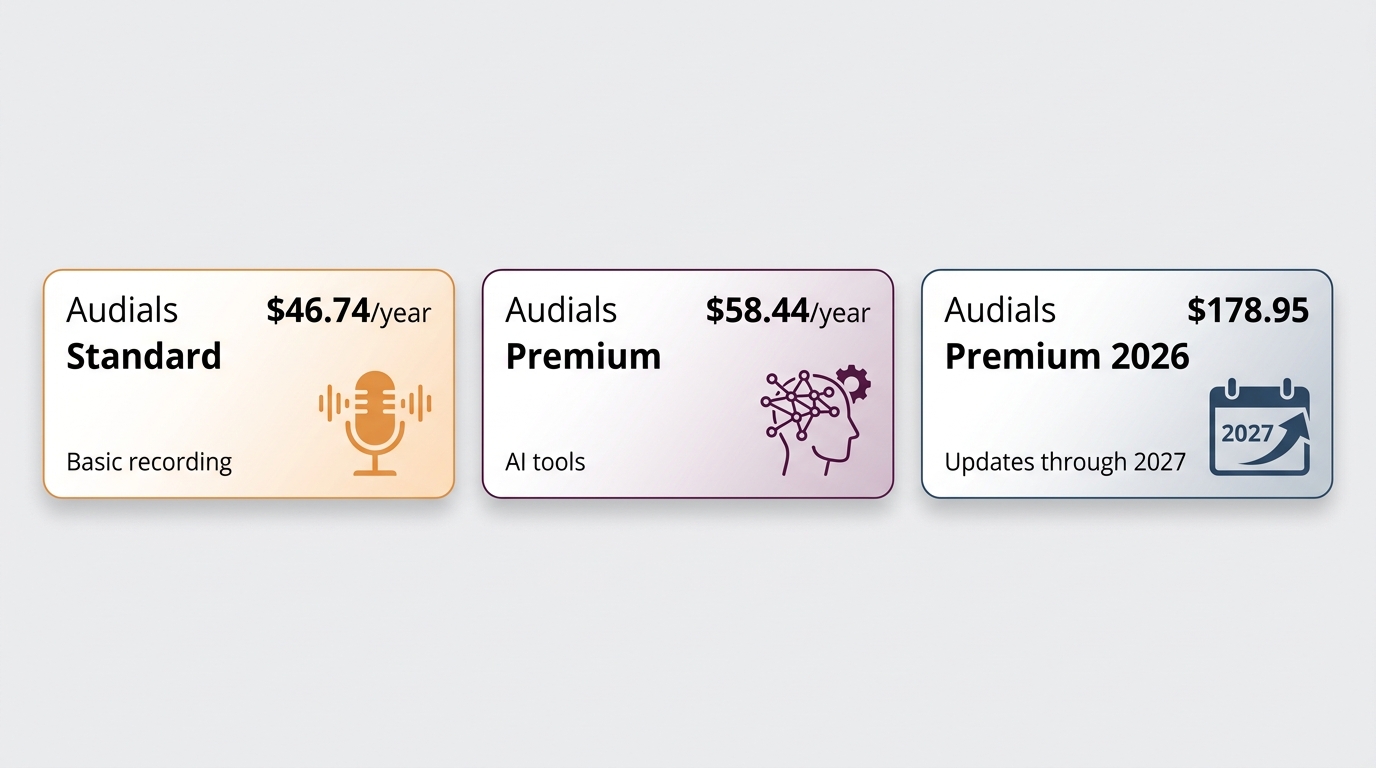
Audials One 2026 is a Windows-focused recorder and converter. It captures rendered playback rather than delivering a source file, so native recording reaches up to 1080p; Premium can enhance recorded material after capture.
It can create MP4, MKV, AVI, and WebM files through recording or conversion. For simple local playback and media organization, that workflow can fit well. For viewers who prioritize a local-file workflow across Windows and Mac, the architecture is the key decision point.
| Edition | US price | License | Best fit |
|---|---|---|---|
| Standard | $46.74/year | Annual subscription | Basic recording and editing |
| Premium | $58.44/year | Annual subscription | AI and music tools |
| Premium 2026 | $178.95 once | Updates through 2027 | Fixed-version ownership |
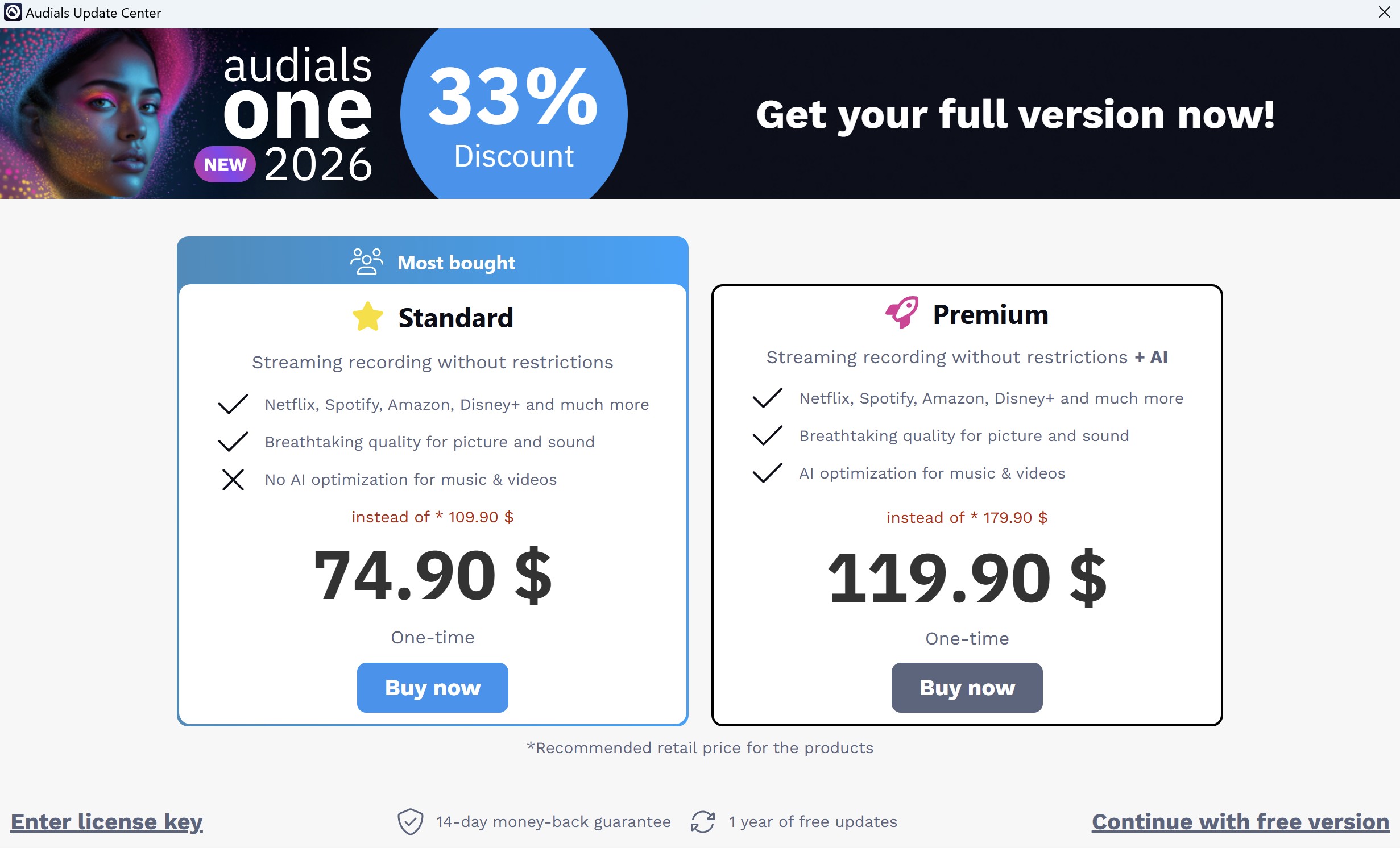
As of August 2026. My buyer verdict: Standard makes sense for basic capture, while Premium is worth considering only if post-capture enhancement or advanced music tools matter to your workflow.
Audials One 2026 Premium Review
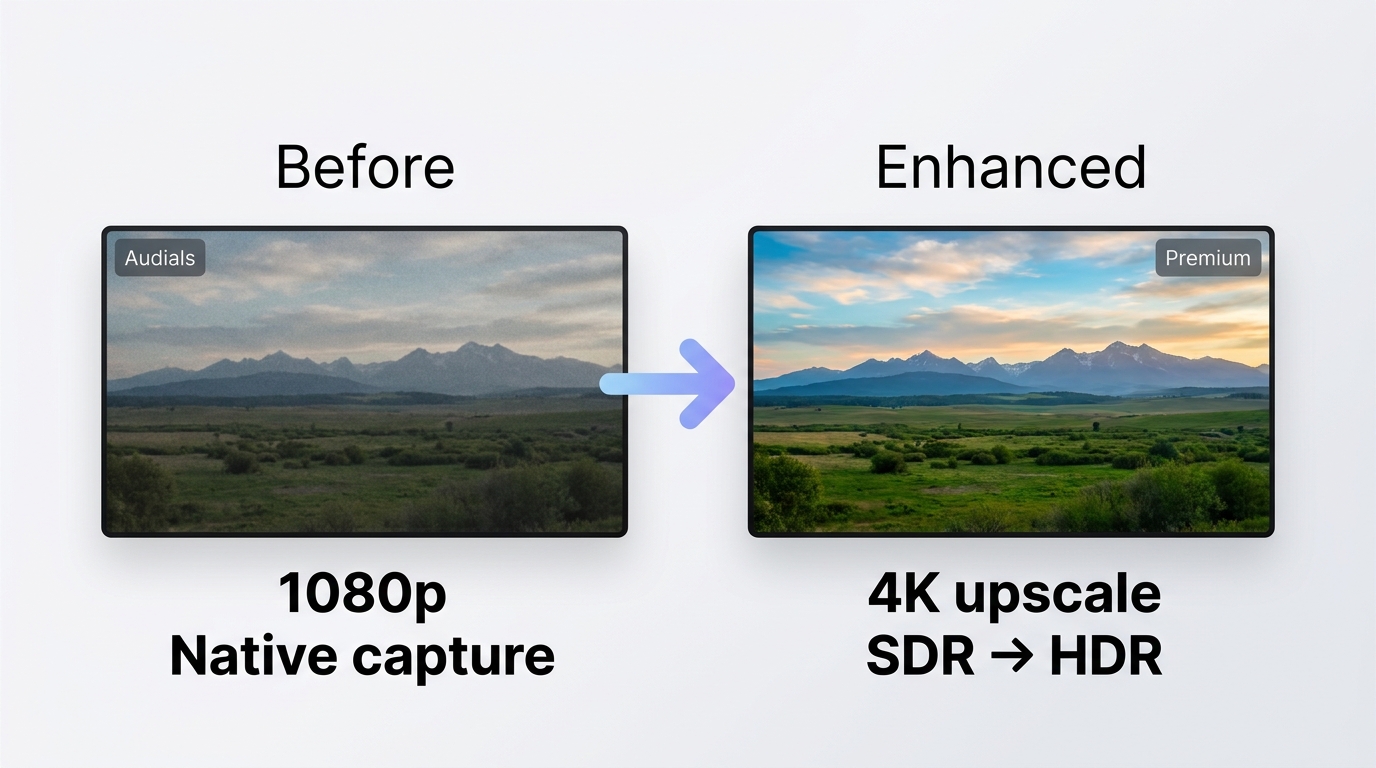
This Audials One 2026 Premium review focuses on the practical question: whether its recording workflow and enhancement tools justify the added cost. Audials records rendered playback, with native recording up to 1080p; Premium enhancement happens after capture rather than creating a native 4K recording.

My take: Audials is easiest to justify when you accept real-time recording as part of the process and value its organization or enhancement tools. The deciding question is not whether the app can create a file, but whether that workflow fits the time and quality trade-off you are willing to make.
Audials 2025 vs. 2026: Core Upgrades
When comparing Audials One 2025 vs. 2026, the most notable change is that more AI features sit in the Premium tier. Premium can upscale recorded material up to 4K, convert SDR material to HDR, and insert frames, but Audials still records up to 1080p natively. Enhancement may improve viewing on a large display, yet it does not turn the capture into a native 4K source.
Other reviews on Audials:
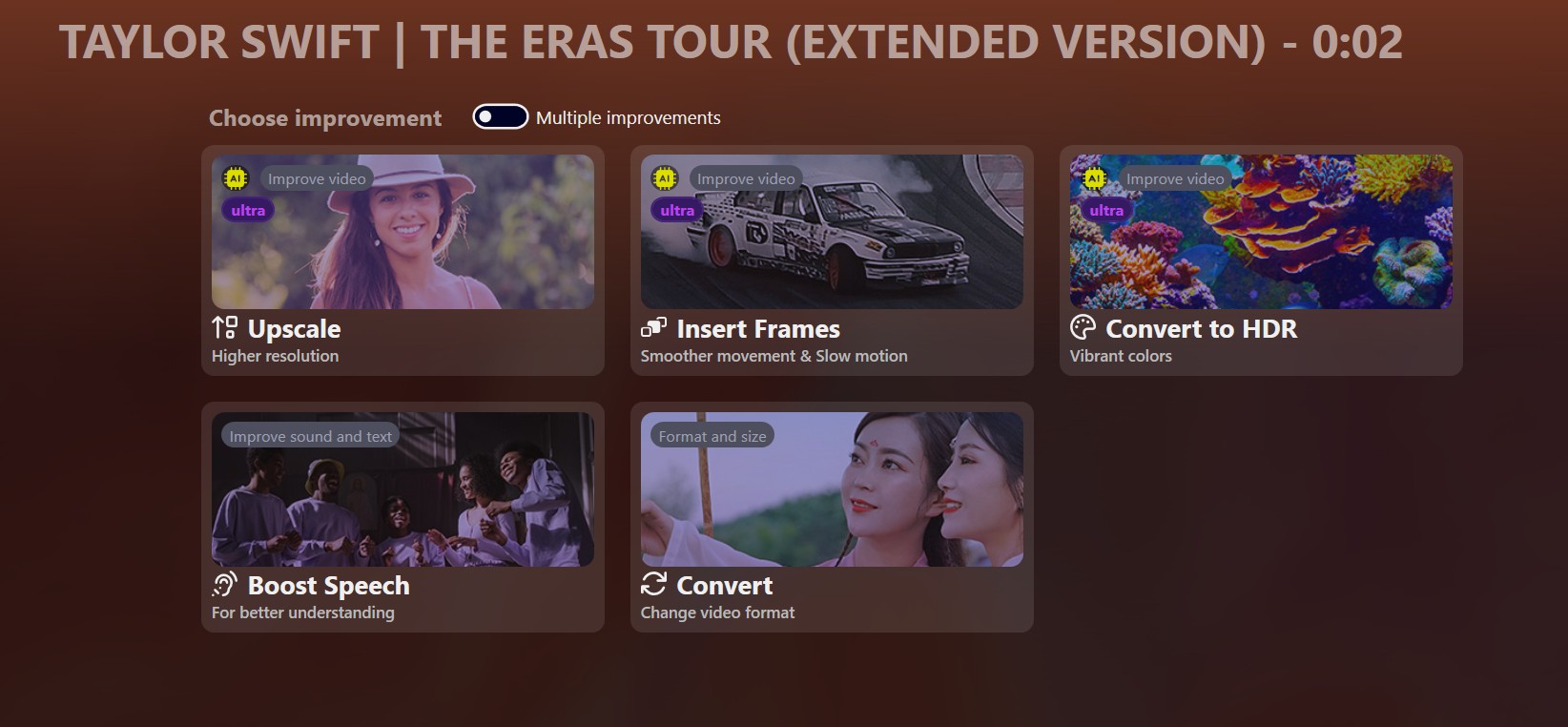
Premium enhancement can sharpen a 1080p recording and improve perceived detail on a large display, while fast motion and complex textures may still show artifacts. Processing time depends on the cloud queue and local hardware, so this is a visual trade-off rather than a replacement for a higher-resolution native capture.
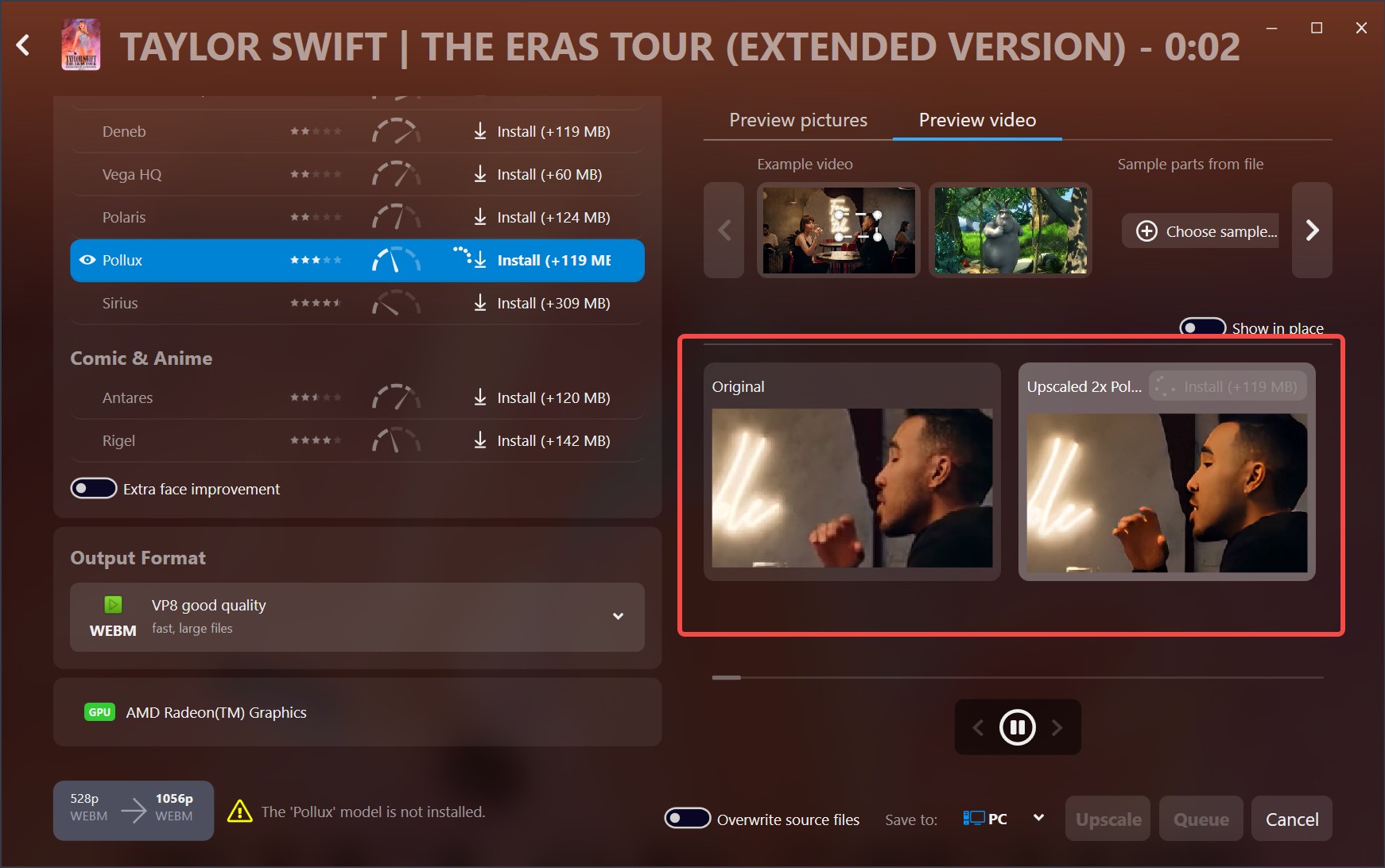
The practical value of AI enhancement depends on the display and the recording itself. It is most relevant for viewers who want to refine captured material after the fact, not for those seeking a higher native recording ceiling.
Music 2026 SE and Standard Limitations
For audiophiles, the Audials music 2026 SE and standard editions feel somewhat restricted. While the metadata tagging is improved, stem separation and advanced AI audio repair are locked behind Premium. Furthermore, capturing high-res lossless audio often results in background noise interference if your system sounds aren't perfectly isolated during the real-time recording process.
Recording Quality and Stability
Audials recording results remain service- and browser-dependent. Its issue log still notes limitations involving ad skipping, Disney batch queues, the internal player, and intermittent YouTube Music loading, so a short recording is a sensible first check before a long session.
| Service | Workflow | Practical note |
|---|---|---|
| Netflix | Rendered recording | Browser-dependent behavior |
| Amazon | Rendered recording | Browser-dependent behavior |
| Disney+ | Rendered recording | Batch-queue issue noted |
| YouTube | Rendered recording | YouTube Music loading can be intermittent |
The Audials One troubleshooting notes are particularly relevant when the app cannot detect the playing video or when a browser update changes capture behavior.
- Service- and browser-dependent results A/V synchronization can drift during long sessions or on specific sites;
- Audio distortion or noise and truncated segments can occur in some captures;
- Resolution expectations mismatch: the native recording ceiling is 1080p; 4K or HDR enhancement happens after capture;
- In some cases, the app may not detect the playing video source.
4. Metadata & tag management
Audials 2026 goes beyond basic ID3 tagging: it now auto-enriches captures with artist, album, cover art and lyrics, lets you batch-edit dozens of items at once, and auto-flags files that need review (e.g., imperfect radio cuts or rare frame-drop segments) so you can fix them later. The refreshed music workflow also adds a converter with previews and frequency analysis, a millisecond-level editor, and automatic track-splitting—meaning less manual cleanup and a consistently labeled library out of the box.
Ad Skipping and Compression
Ad handling can vary by site and recording conditions. Audials still lists ad skipping among its unresolved issues, so treat automated cuts as a convenience feature that may need review rather than a guaranteed cleanup step.
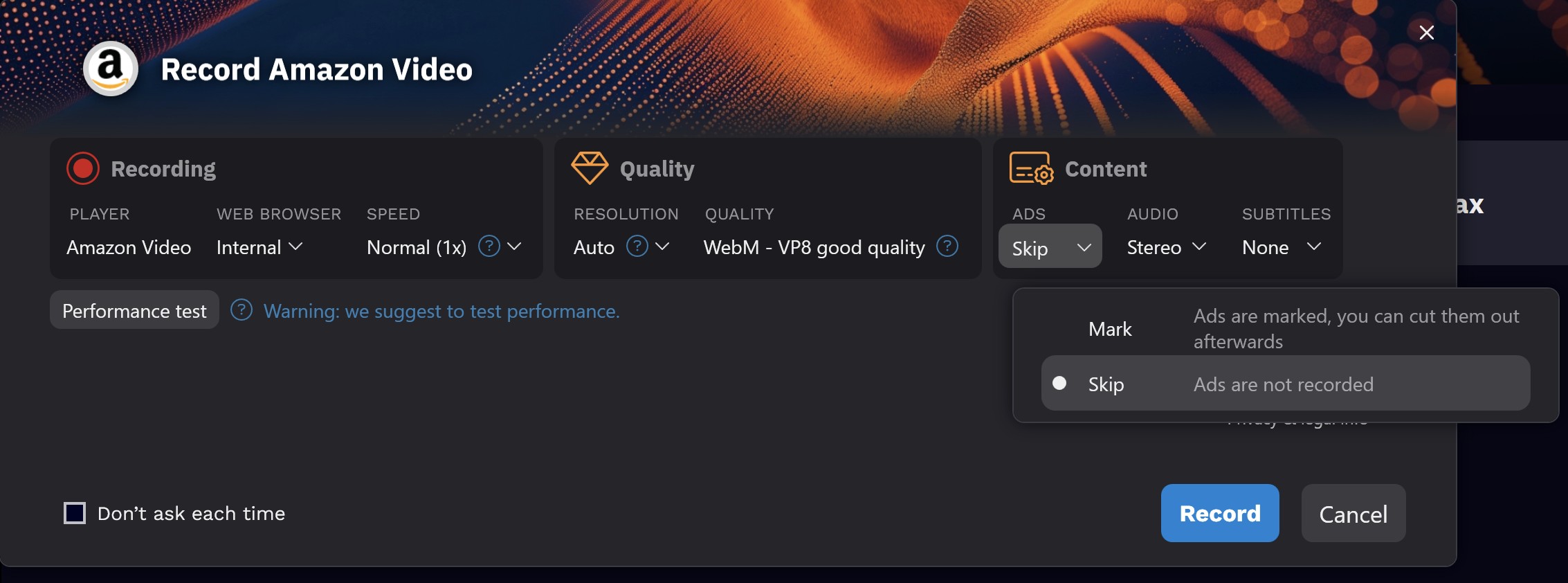
Compression and Encoding
Encoding time, file size, and final appearance depend on the source, selected settings, and available hardware. Previews can help you assess a conversion before committing to a larger batch, but long captures still require time for both playback and local processing.
Using Audials One 2026
Use Audials only for content you are authorized to access, where permitted by platform terms and applicable law. Its recording workflow runs alongside playback on your PC, so recording time and local system load remain practical constraints.
For me, the deciding friction is simple: a long recording ties up the viewing session and depends on the browser, player, and hardware behaving together. That is workable for occasional captures, but it is worth factoring into any larger library plan.
Operation Steps
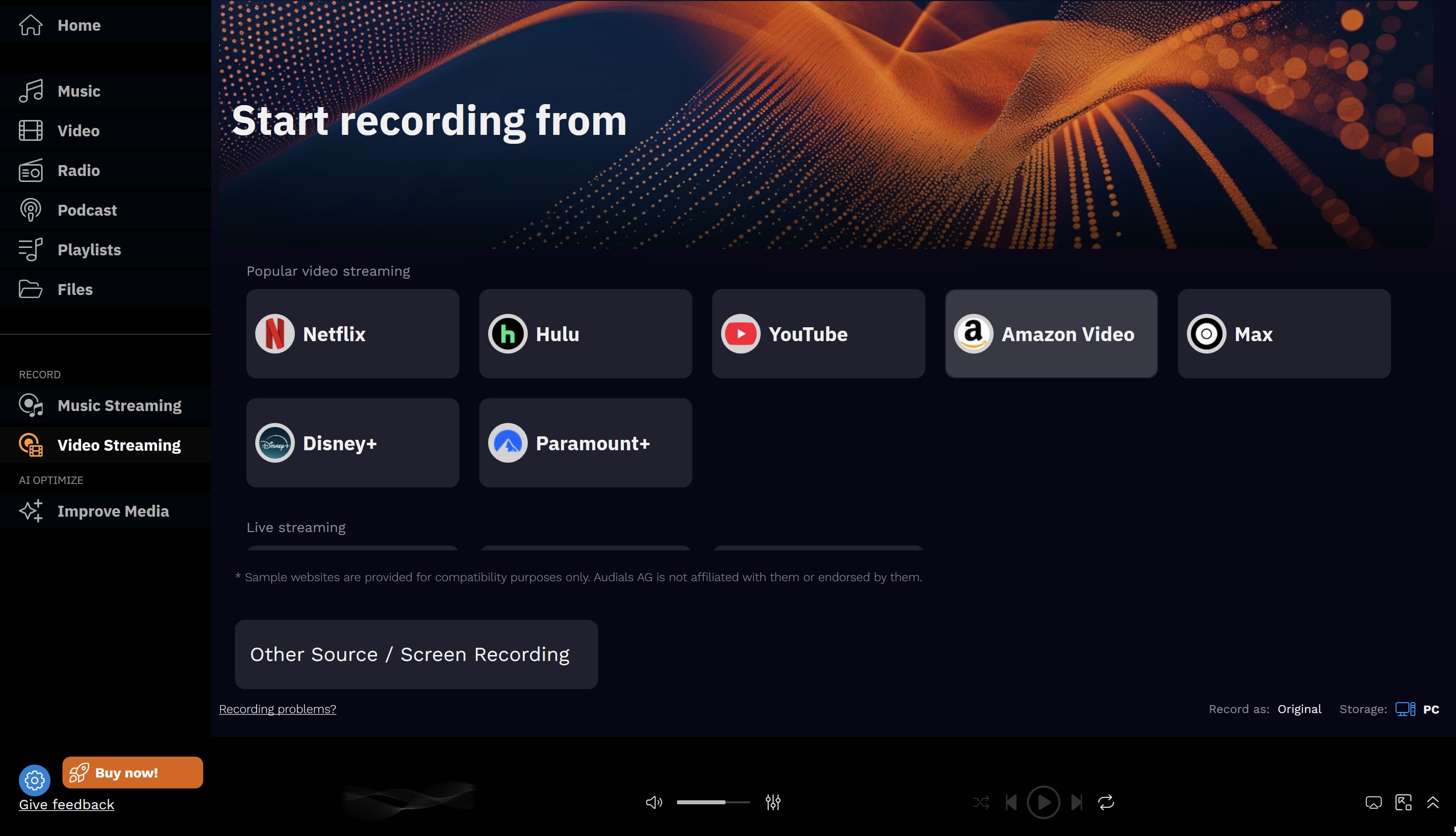
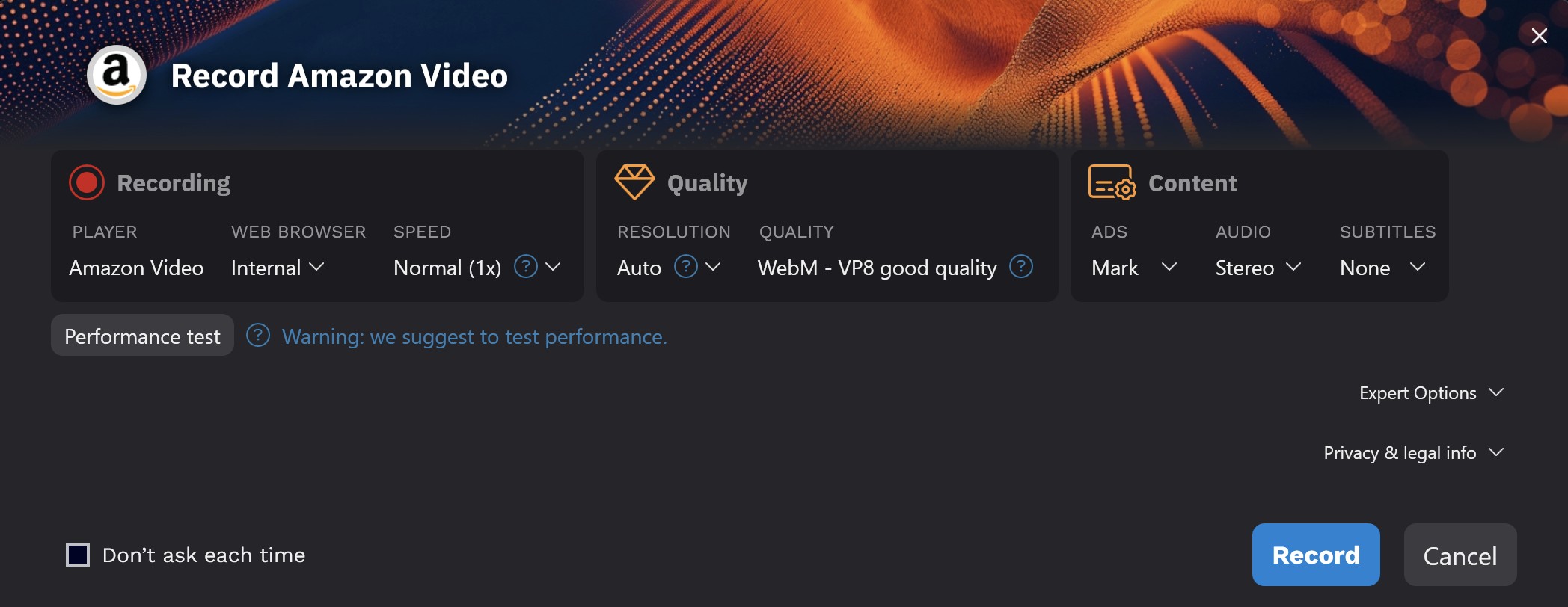
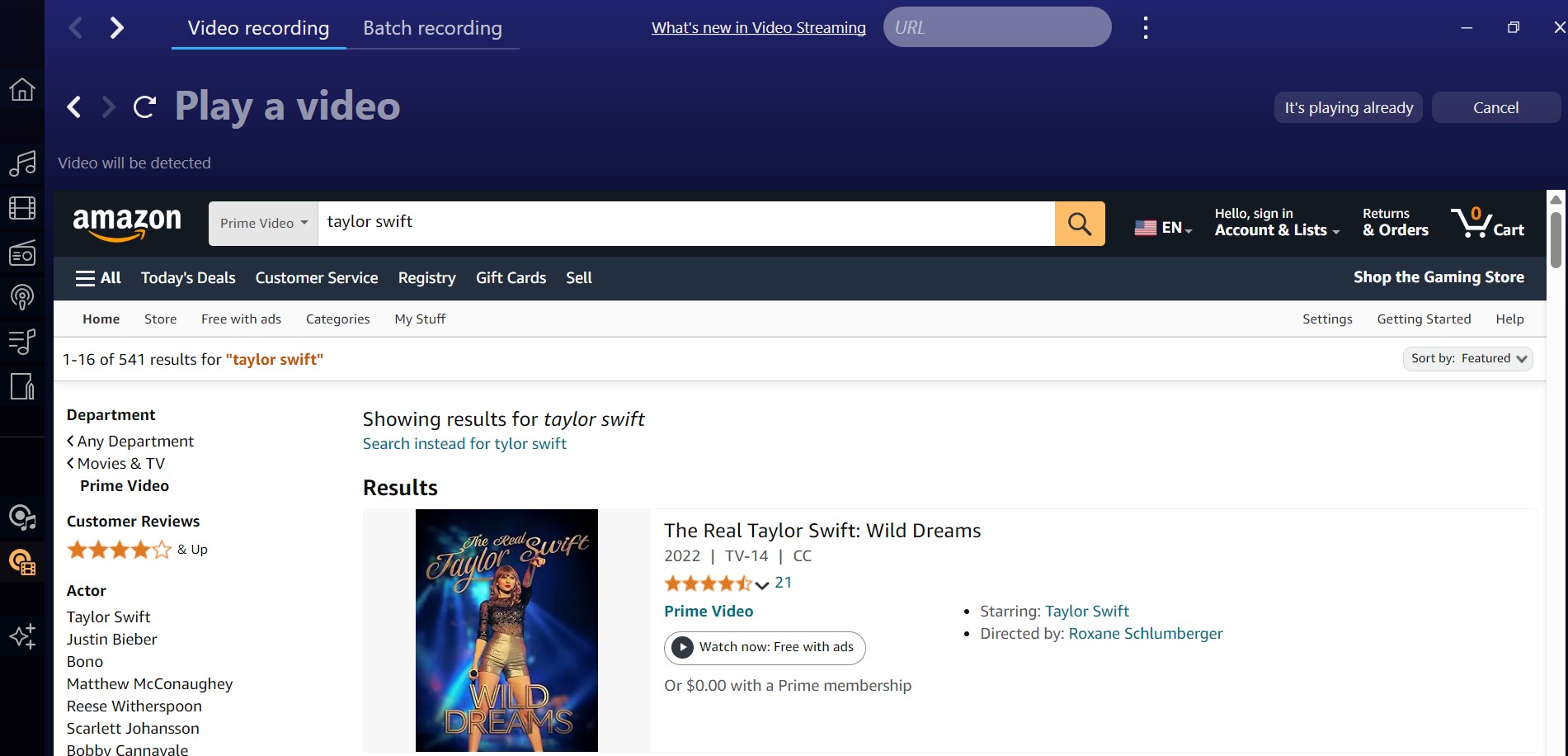
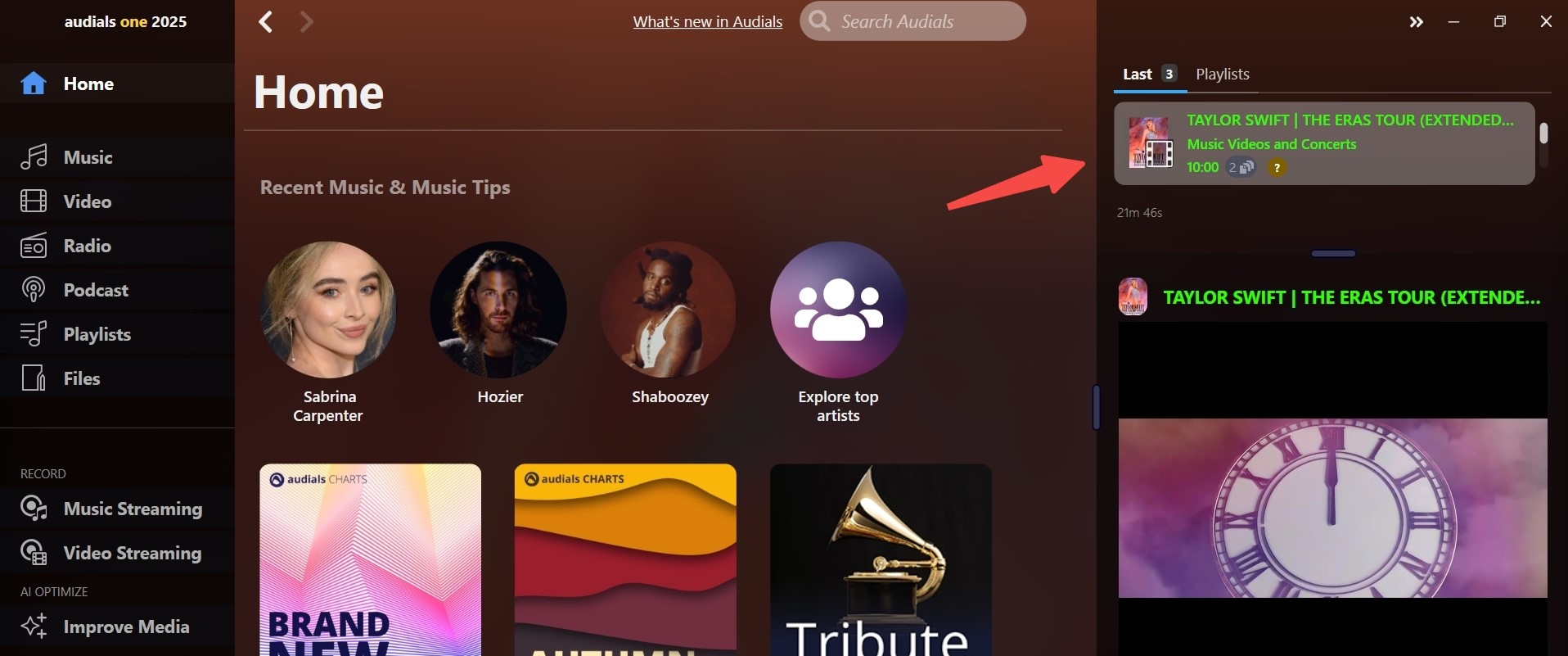
Audials One is straightforward to operate, but its files reflect a rendered-recording workflow and the selected settings. There is no native Audials for Mac app, so Mac users may prefer a desktop local-file workflow that supports macOS.
Recording Limits and Black Screens
Black screens and failed detection can occur when a browser, player, or protected playback environment changes. Results vary by service and setup, and changing browser settings can affect both performance and capture behavior.
Practical tip: Run a brief authorized test recording before starting a long session. If the picture, audio, subtitles, or detection are inconsistent, adjust your browser and playback setup rather than assuming the same configuration will work across services.
A Desktop Alternative for Offline Copies
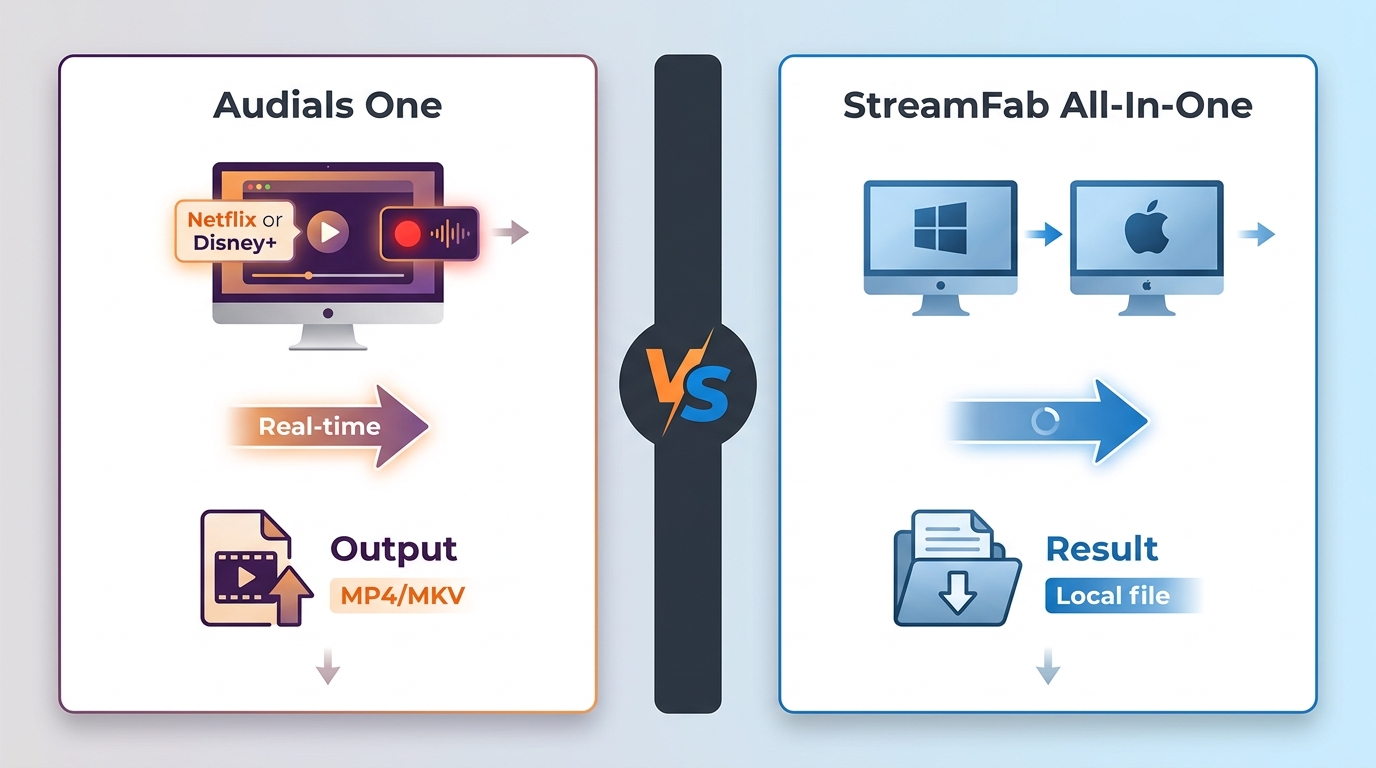
For content you are authorized to access, where permitted by platform terms and applicable law, StreamFab All-In-One is a desktop option for a local-file workflow on Windows and Mac. It supports MP4 and MKV output, while service, title, quality, audio, and subtitle availability may change.

Analyzes the streaming platform's manifest file, handles the DRM handshake internally, and downloads the encrypted chunks directly from the CDN at high speeds, assembling them into a pristine MKV or MP4 file.
Recorder vs. Local-File Workflow
The meaningful difference is architecture, not a universal quality promise. Audials records rendered playback, while StreamFab All-In-One is designed around a local-file workflow for authorized offline viewing.
| Comparison point | Audials One 2026 | StreamFab All-In-One |
|---|---|---|
| Architecture | Rendered recording | Local-file workflow |
| Typical output | MP4, MKV, AVI, WebM | MP4, MKV |
| Quality basis | Capture and conversion settings | Service-dependent availability |
| Platform fit | Windows-focused | Windows and Mac |
| Main constraint | Real-time playback | Service and title availability |
I would choose Audials for occasional recording and post-capture tools. A local-file workflow is more relevant when authorized offline viewing across Windows and Mac matters, provided the selected service and title support the needed options.
The Audials One Alternatives comparison covers additional local-file workflows, while Audials vs. PlayOn vs. StreamFab focuses on those three products.
User Ratings in Context
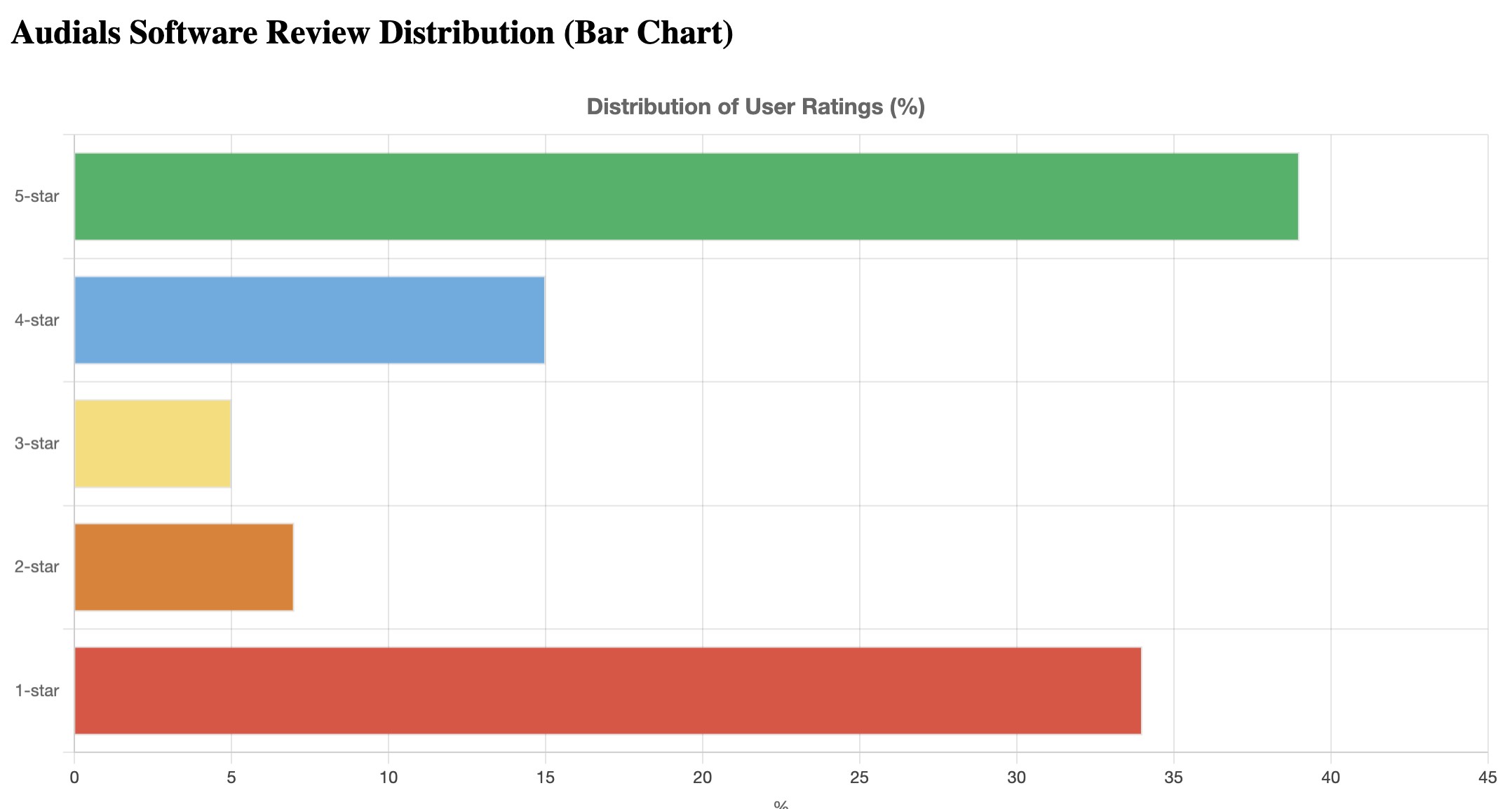
As of August 2026, Audials is rated 3.8/5 from 406 Trustpilot reviews, while StreamFab is rated 4.5/5 from 760 reviews. Audials feedback includes praise for its recording and media-management tools, alongside reports of service-specific recording problems and support concerns.
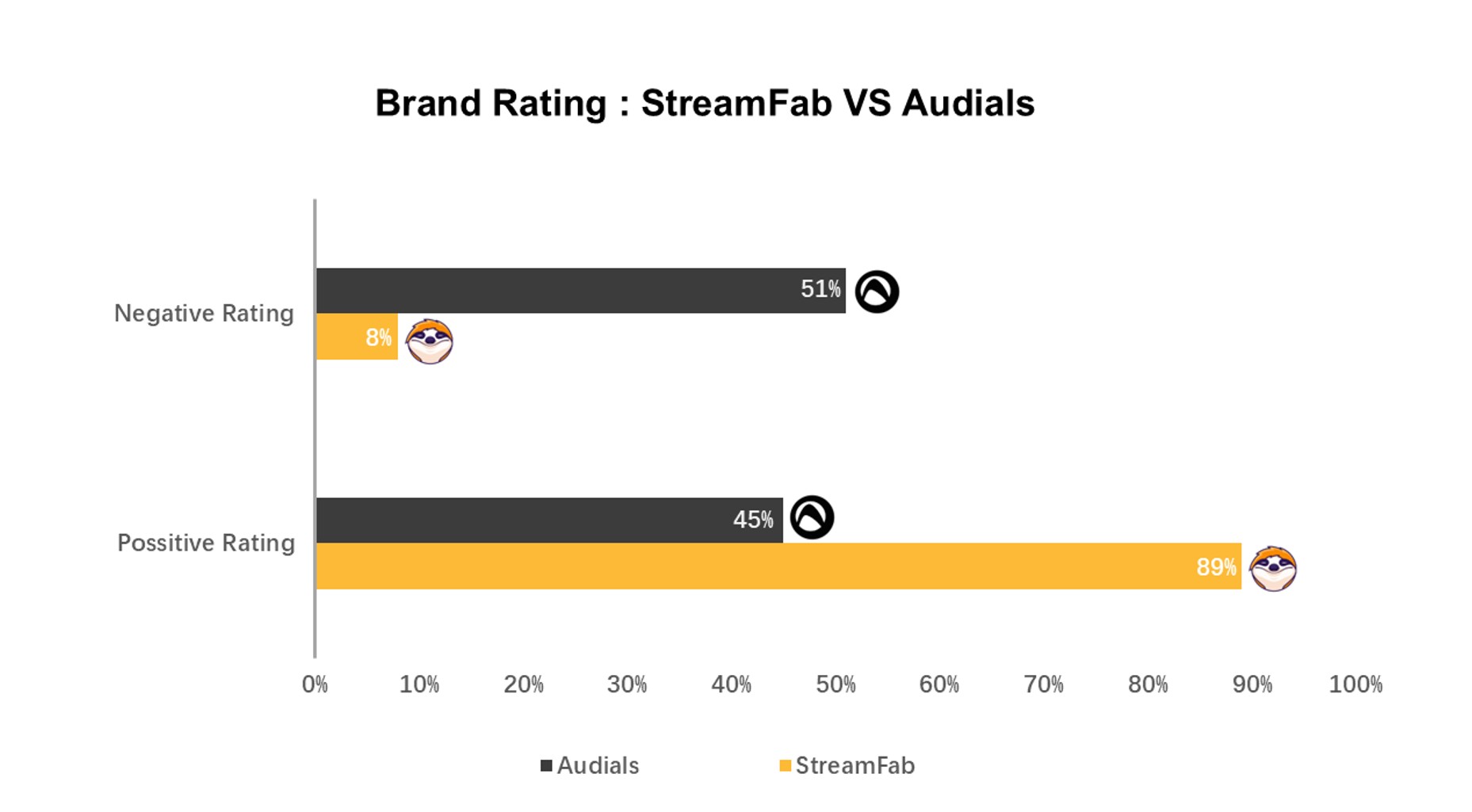
Ratings are useful context for recurring user experiences, not a controlled performance test. I treat them as one input alongside licensing, operating-system fit, recording constraints, and the local-file workflow you actually need.
Using StreamFab All-In-One
Choose the streaming service
Find the streaming website you want. You can also copy and paste your video URL directly into the address bar on the Homepage. Here we still take Amazon Prime video as an example.

Customize the file
Search for the video and play it, then a pop-up window will ask for your customization. You can choose the audio, subtitle language, format, resolution, etc.

Click the download button
once you have selected your preferred settings, click on the “Download” button, and StreamFab Video Downloader will start fetching the video for you.
Best for: Windows or Mac users who need a local-file workflow for authorized offline viewing. Not ideal for: anyone expecting identical availability, quality, audio, or subtitle options across every service and title.
FAQs
What are the core changes in Audials One 2026 versus earlier versions?
Shall I Need to Pay for Audials One 2026 Even If I am a Previous Audials Lifetime Member?
Are Audials One 2026 crack versions safe to use?
Is Audials Play the same app as Audials One?
No. Audials Play is a separate product. Audials One is the broader recording, conversion, and media-management application discussed in this review.
Which video formats can Audials One 2026 create?
Audials can record or convert video to MP4, MKV, AVI, and WebM. These files come from recording or conversion, rather than a source-file delivery workflow.
Conclusion
For this Audials One review, the buyer fit comes down to workflow and license preference rather than a single best edition.
- Choose Standard if you mainly want basic recording, organization, and editing.
- Choose Premium if post-capture enhancement and advanced music tools are central to your use.
- Choose Premium 2026 if a fixed-version license with updates through the end of 2027 matters more than annual renewal.
- Consider a Mac-friendly desktop alternative if native macOS support and a local-file workflow are more important than Audials’ Windows-focused recorder.
Audials is a sensible fit for readers who accept real-time recording and want its media tools. A desktop alternative may better suit authorized offline viewing when Windows or Mac flexibility is the deciding factor.

This MovPilot Amazon Downloader review found that its six-minute trial can confirm setup and sample output, but not the full-movie reliability most buyers need to judge before paying. I measured the trial, mapped common failure points, and used a same-device control test to put that gap in context.
By Erika Leen - Oct 27, 2026
In-depth pazu streamget review for June 2026 — testing DRM handshake stability, 4K limits, and whether StreamFab is the stronger all-in-one alternative.
By Erika Leen - Oct 20, 2026
CleverGet offers separate downloading and recording workflows for Windows and Mac, with different file options. Compare MPD limits, annual and lifetime licenses, and trial use before choosing a workflow. The review also covers StreamFab for recurring episode downloads and explains the personal-use boundaries for local copies.
By Erika Leen - Oct 14, 2026
AnyStream (RedFox AnyStream) shut down in June 2024 and remains gone in 2026. I tested every major replacement — here are the 5 best anystream alternatives, including free options, ranked by real-world performance.
By Erika Leen - Oct 12, 2026