
StreamFab vs PlayOn vs Audials: Workflow, Speed and Quality in 2026

Summary: Choose between StreamFab’s local file workflow, Audials’ Windows recording and editing, and PlayOn’s local or cloud recording. Compare queue behavior, picture quality, audio and subtitles, and recurring costs, with a repeatable way to check one authorized title before building an offline library.
Table of Contents

I would choose a workflow that fits the device I use and the files I want to manage. A cloud queue saves local recording work; a desktop library gives me direct control over file organization. I favor StreamFab for a local offline library, PlayOn Cloud for remote recording, and Audials for Windows recording and editing. The StreamFab vs PlayOn choice is about where the work happens; Audials vs StreamFab adds recording controls to that decision. Your device narrows the choice.
Workflow Decision Matrix
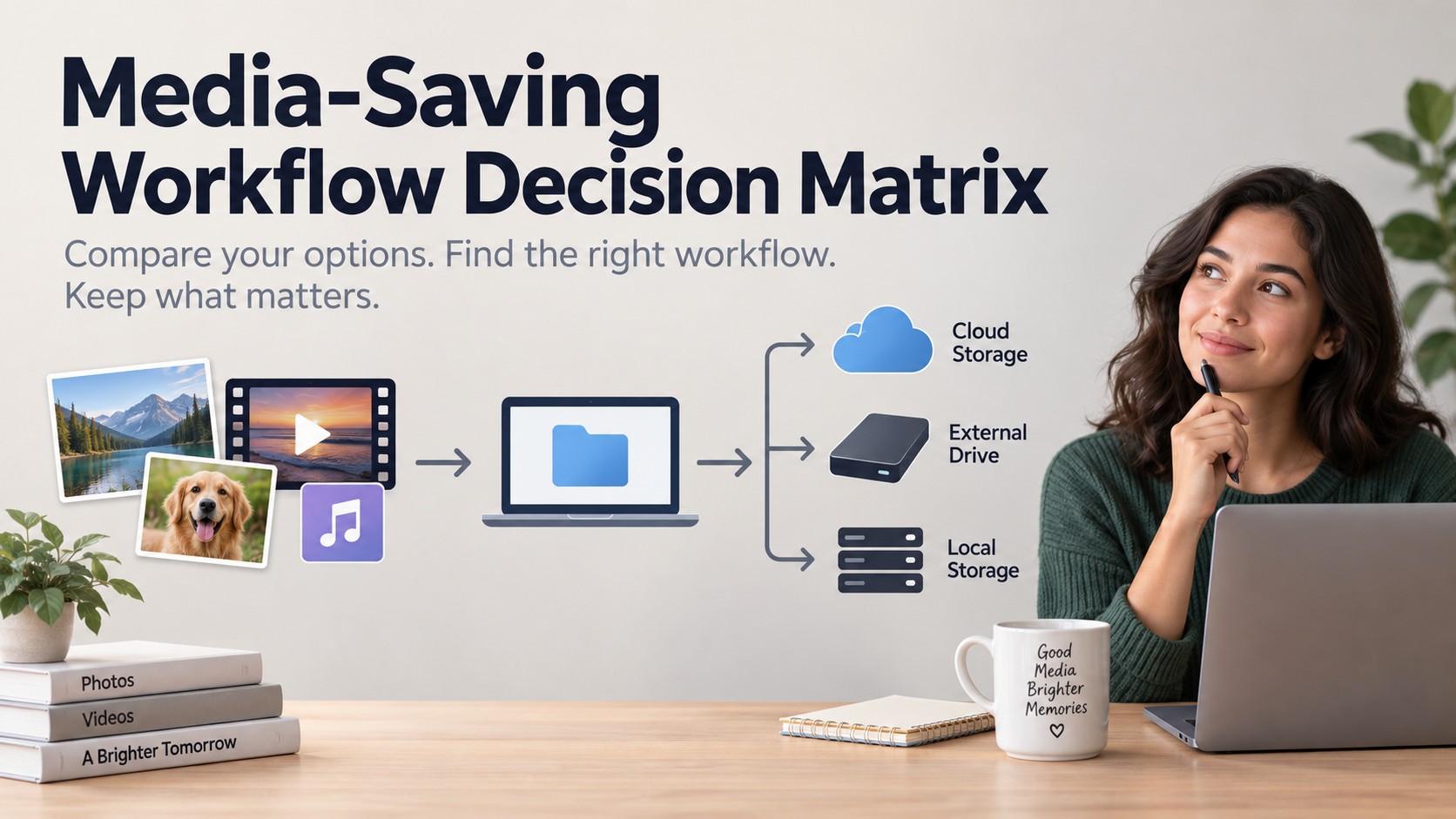
StreamFab vs PlayOn comes down to local saving or recording on a PC or remote server. If you want video downloader software for PC, start with your library destination. A phone-centered workflow and a desktop media library need different setups.
Recorders versus direct downloaders
Recording captures a playback session; a local downloader organizes saving around a title and an output file. PlayOn Home records on your computer, while Cloud processes recordings remotely. Audials combines recording with media tools. StreamFab provides a local saving workflow for personal offline viewing of content you're authorized to access, where permitted by platform terms and applicable law.
StreamFab All-In-One is a third-party alternative to streaming services' official download features. Its local files are distinct from downloads managed inside a streaming app. Learning how to use StreamFab starts with selecting a service, signing in, and choosing the title and output settings.
Save videos from Netflix, Amazon, Disney+, and 1000+ supported sites for personal offline viewing, with MP4 or MKV output and batch downloads.
Best fit by device and library
- A Windows recording workstation: Audials suits you if recording controls and editing are part of your routine. Keep the PC available for the job.
- A Windows PC handling playback: PlayOn Home keeps the recording work local. It fits a computer you can leave running.
- A mobile-centered routine: PlayOn Cloud moves recording to remote servers. Allow time for processing and transferring the finished file.
- A Windows or Mac file library: StreamFab supports local MP4 and MKV output. It fits folders and media players you manage yourself.
Scheduled StreamFab batch download tasks let you group episodes into a queue. I favor this approach for organizing a season because it reduces repeated setup, without turning a queue into a promise of instant completion.
Current Features and Trade-offs
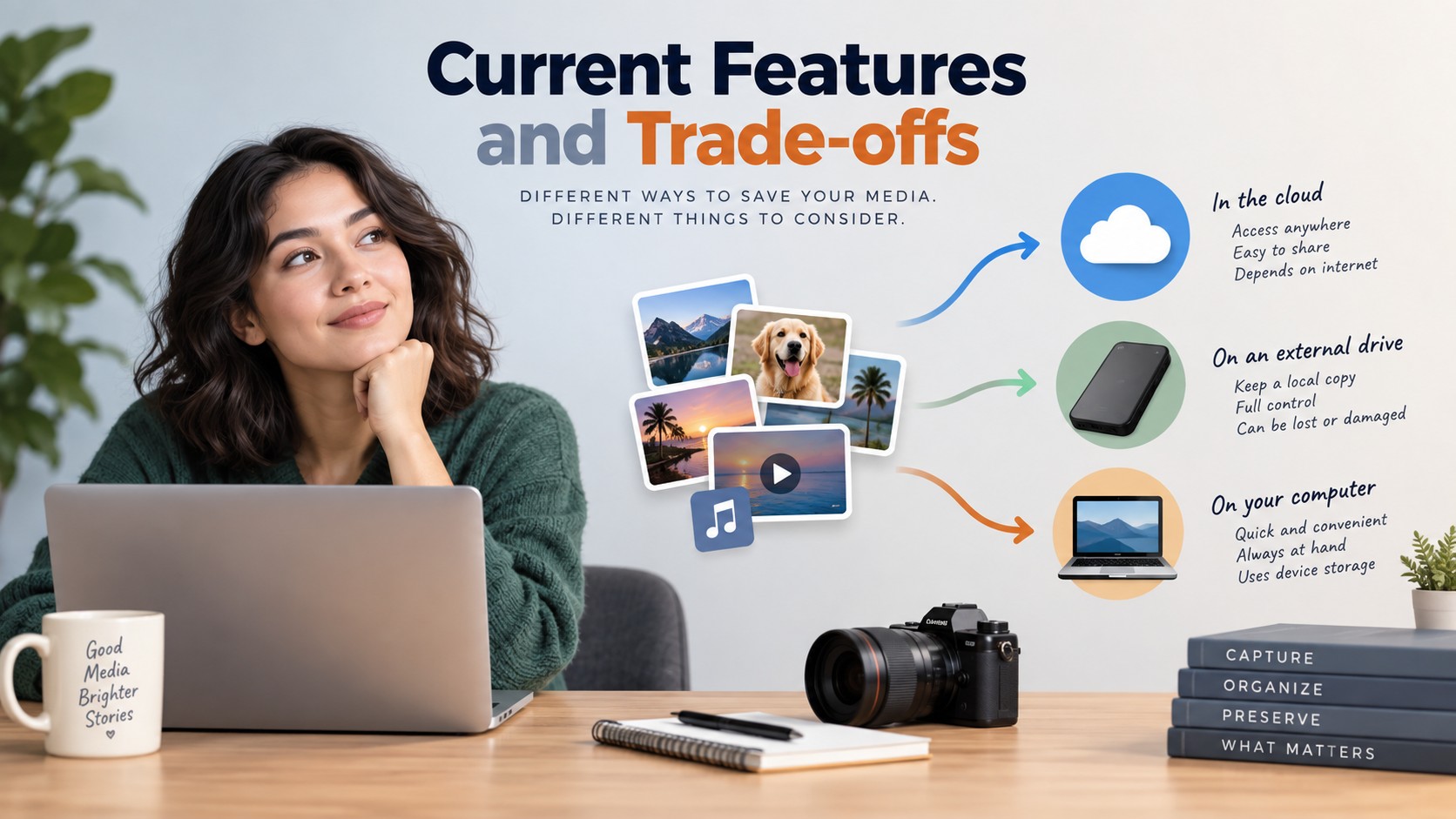
Audials adds recording and editing controls, PlayOn separates local and cloud recording, and StreamFab centers on desktop files. Choose the setup you will actually maintain. The differences matter more than a long list of overlapping features.
Audials One 2026 updates
Audials software advertises recording at up to 4x speed, AI enhancement and upscaling up to 4K, ad handling, and an improved planner. The recording and editing combination covered in the Audials One 2026 review suits a Windows workflow that includes post-processing.

Upscaling changes the output image; it does not turn the source into native 4K. The advertised maximum recording speed is a ceiling, not a completion time for your title. Choose Audials when editing matters; a phone-centered routine is a less natural fit.
PlayOn Home and Cloud
PlayOn Home and PlayOn Cloud advertise Full HD 1080p recordings in the US. Home uses your Windows PC; Cloud records remotely. The local-versus-remote distinction in the PlayOn review makes Cloud a useful fit when you do not want to leave a recording PC running.

Cloud adds a processing queue and a file-transfer stage. That is a trade-off if you need a finished file immediately. Home keeps processing on your own machine, but that machine must remain available throughout the recording.
StreamFab All-In-One
In an Audials vs StreamFab decision, the Windows and Mac file workflow covered in the StreamFab Review favors StreamFab when you want a desktop library with MP4 or MKV output. Audials puts more emphasis on recording and editing.
StreamFab's strength is organizing local files and scheduled batches. Service compatibility changes over time; use its update notes and troubleshooting guidance to resolve a failed title or sign-in. Start with the official installer for your operating system.
Speed and Queue Benchmarks
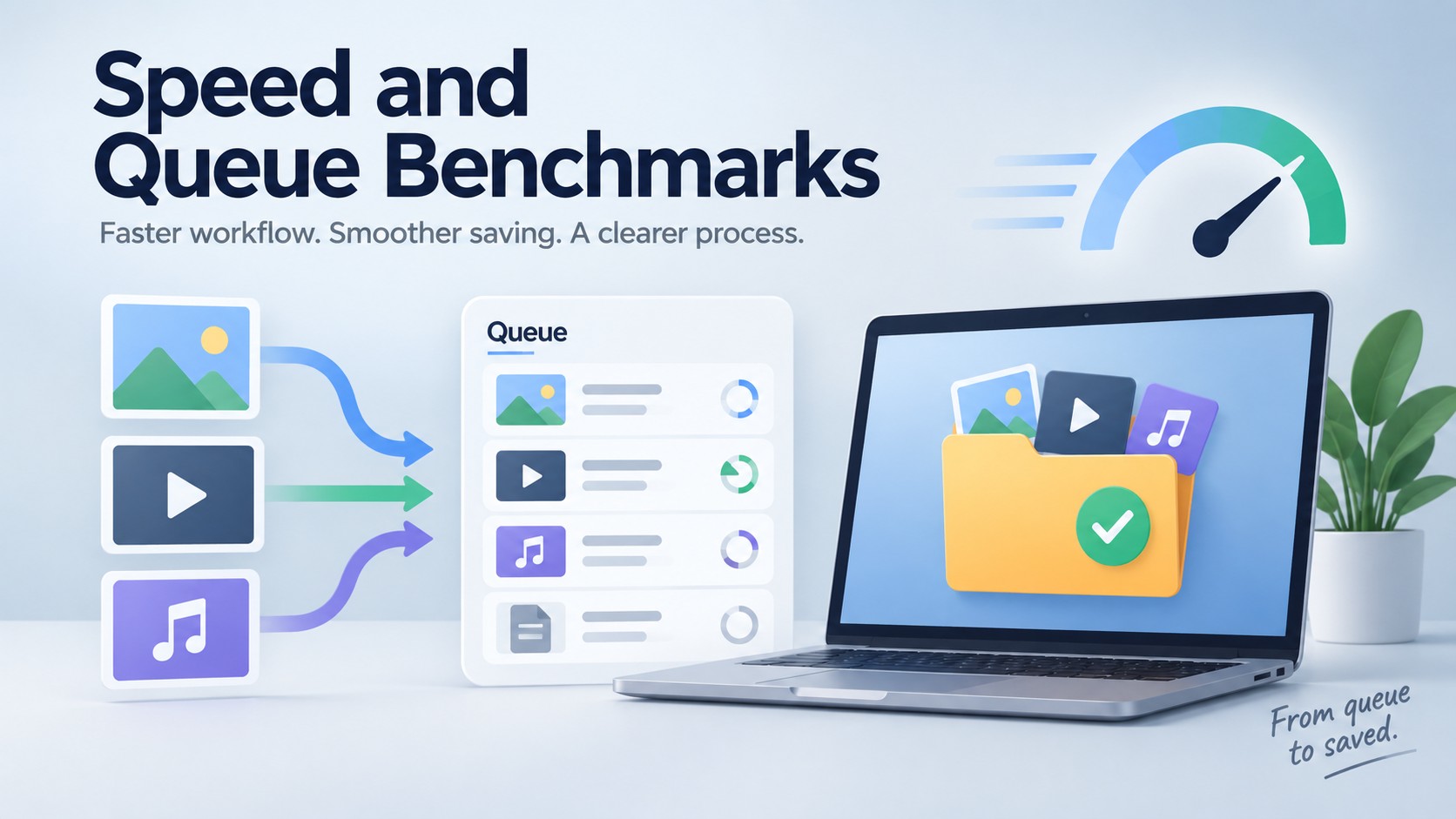
Download speed and time to a playable file are different measurements. Real-time recording takes roughly the video's runtime; cloud recording also includes waiting and transfer. Audials advertises accelerated recording, so treating all recorders as fixed at real time gives you a misleading comparison.
A repeatable two-hour test
A useful Audials One 2026 test starts with the same two-hour title used for the other tools. Keep the comparison fair. Match the service account, resolution, audio and subtitle selections before timing anything.
- Record the computer model, operating system, app version, connection, and title. Use the same local hardware and network for desktop runs; identify PlayOn Cloud separately as remote processing.
- Start timing when you submit the job. Record queue waiting, active processing, and file transfer separately, then stop when the completed file is ready locally.
- Open the file and check its duration, resolution, audio synchronization, and subtitles. A failed or incomplete file is not a faster result.
- Repeat the same job with the other setups and note any retries. Compare time to a usable file with the selected settings.
A real-time two-hour recording takes about two hours before extra transfer or processing. Audials' advertised 4x ceiling does not establish a result for that movie. For an overnight job, I would favor a manageable queue over a peak-speed claim; for departure-day viewing, finish and open the file before leaving.
Quality, Formats, and Tracks
MP4 and MKV describe file containers, not picture quality. Resolution, multichannel audio, and subtitles determine more of the playback experience. Match the saved file to your player and screen, then inspect the tracks you intend to use.
Resolution and file formats
PlayOn advertises 1080p recording, while Audials advertises AI upscaling up to 4K. Those describe different operations. Native resolution identifies the source image; an upscaled file increases its dimensions through processing.
StreamFab supports MP4 and MKV on Windows and Mac, with up to 4K on supported subscription services and up to 8K on supported free sites. Netflix and Amazon saving reaches 1080p; supported Disney+, Hulu, HBO Max, Apple TV+, and Paramount+ titles reach up to 4K. Select the resolution offered for your title and subscription.
A black picture is a failed recording. Confirm that the title plays in the service's supported app or browser, then use the recorder's update and troubleshooting instructions. Repeatedly capturing a blank screen is a poor use of your time. A region-unavailable title requires the service's account or travel guidance.
Audio and subtitle handling
StreamFab supports Dolby Atmos, EAC3 5.1, AC3 5.1, and AAC 2.0, plus external SRT or embedded subtitles. Select the tracks offered for the title. A stereo source does not become multichannel audio because you choose MKV.
Burned-in subtitles remain part of the picture; separate tracks let you switch languages or turn text off. I favor selectable tracks for a library played across different devices. Confirm that your destination player exposes the language and subtitle choices before processing a season.
US Pricing and Total Cost

Recurring plans create recurring costs, while a lifetime software license does not replace your streaming subscriptions. Add the service subscriptions you need to the software budget. Whether a tool is worth the money rests on how often you use its workflow.
As of September 2026, PlayOn pricing plans list Home at $39.99/year after the introductory offer, $14.97 quarterly, or $4.99/month for unlimited recordings. Cloud lists $4.99/month for 30 recordings. Audials Standard annual billing is listed at $58.44/year.
StreamFab All-In-One has a lifetime license option. Its standard trial provides three video downloads per streaming service over 30 days, with the same output quality, batch, and subtitle functions as the paid version. The paid allowance is 100 downloads per service per day and 700 per week.
A Cloud allowance is useful for occasional recording; a recurring desktop plan makes more sense when the computer is part of your regular routine. For StreamFab, compare the one-time license structure with how frequently you will organize local files. Keep streaming-service fees separate from software spending.
Authorized Use and Account Safety
Personal offline saving starts with authorized access and permission to make the copy. A software license does not grant content rights. Apply the same boundaries whichever workflow you choose.
- Use an account and content you are authorized to access.
- Save copies only when your authorization permits it.
- Do not redistribute saved videos.
- Follow applicable law and platform terms; the StreamFab copyright and usage guidelines explain authorized personal use.
- Assess the specific content and use case rather than assuming one permission covers everything.
Comparison Table
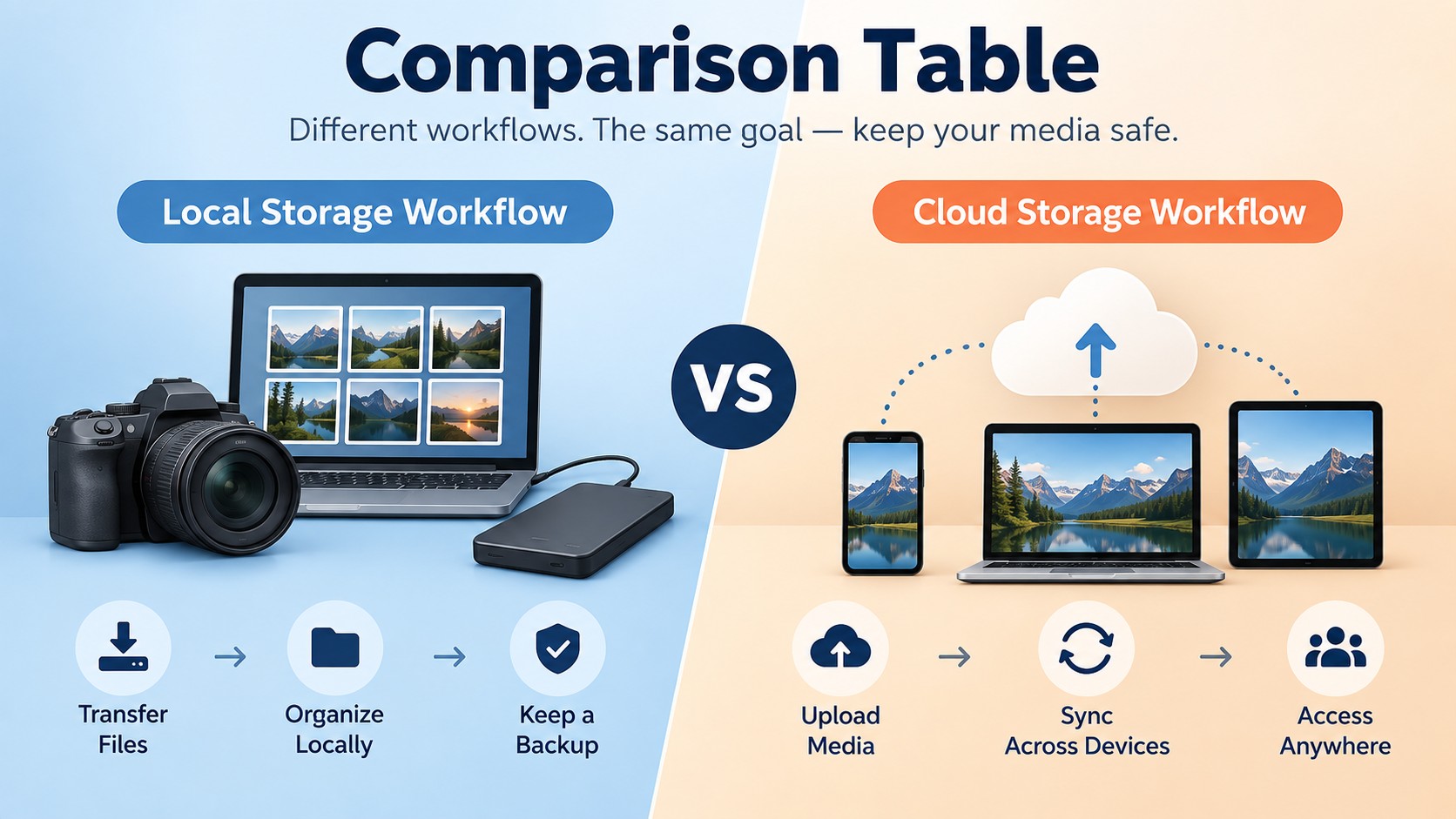
For a desktop library, StreamFab emphasizes file output; Audials emphasizes recording and editing; PlayOn offers local or remote recording. The processing location is the practical distinction. Choose the row that matches where you want the work to happen.
| Tool | Workflow and device | Speed or queue | Picture and output |
| Audials One | Windows recording and editing | Advertised up to 4x recording | AI upscaling up to 4K |
| PlayOn Home | Local Windows recording | Playback-based processing | Advertised 1080p recording |
| PlayOn Cloud | Remote recording; mobile management | Cloud processing, then transfer | Advertised 1080p recording |
StreamFab All-In-One | Local saving; Windows and Mac | Scheduled batches | MP4/MKV; service-scoped 1080p, 4K or 8K |
My preference is StreamFab for a file library I manage on a desktop, and cloud recording when freeing up that desktop is the priority. Audials fits a recording session that also needs editing. None of those choices makes the source picture or audio richer than it is.
FAQ
Why are PlayOn Cloud queue times so long in 2026?
Due to the increased server load from higher-resolution streams and stricter platform bot-detection, PlayOn Cloud servers often throttle virtual browser instances. This causes severe queue bottlenecks during peak weekend hours, making local desktop alternatives much more reliable for instant access.
Does StreamFab update fast enough to bypass new Widevine L1 restrictions?
Yes. Whenever streaming giants update their Widevine DRM modules (which happens frequently), direct downloaders temporarily fallback to lower resolutions or pause parsing. However, top-tier tools typically push hotfix updates within 48 to 72 hours to restore full 1080p decryption capabilities.
Is there a ban risk when using these tools on personal accounts?
While screen recorders like Audials are essentially undetectable because they sit on top of the display pipeline, API-level downloaders mimic legitimate browser traffic. To minimize any risk, StreamFab set a download limit no more than 100 titles per day per streaming service on a single account.
Can Audials automatically tag Plex metadata and poster walls?
Yes, Audials One includes robust scraping tools that automatically tag metadata like titles, season numbers, and cover art during the recording process. This is extremely beneficial for users managing large local NAS setups via Plex or Emby.
Should I start a cloud recording right before a trip?
Finish the recording and transfer before you leave. A submitted job is not a file on your device. Open the downloaded copy with your connection disabled to confirm that it is ready for your authorized offline viewing.
Why did my subtitles disappear after moving a video?
An external subtitle file must travel with the video. Keep the SRT file in the same folder and select it in your player if it is not detected automatically. Embedded subtitles stay inside the video container; your player still needs to support selecting that track.
Conclusion
Choose StreamFab for an organized local MP4 or MKV library on Windows or Mac, Audials for Windows recording and editing, or PlayOn Cloud to move recording off your computer. PlayOn Home fits a PC you are comfortable leaving available for playback-based recording.
Start with one authorized title and open the finished file on your intended player. Check the picture, audio, and subtitles before queuing a season. That gives you a useful next step whichever workflow you choose.

Staring at an error code and wondering what StreamFab is actually telling you? In July 2026, I mapped every code against the real failure it represents — here's the reference guide that skips the corporate jargon and tells you exactly what to do in under 2 minutes.
By Erika Leen - Oct 12, 2026
StreamFab 7 marks the first major update in nearly three years. This review looks beyond surface-level changes and examines what actually matters in everyday use based on real testing, community feedback
By Erika Leen - Sep 28, 2026
This article is an official response to users asking regarding the safety and legality of StreamFab. Written by StreamFab team, it moves beyond simple assurances to provide a transparent technical and legal analysis.
By Nicole Lopez - Sep 24, 2026
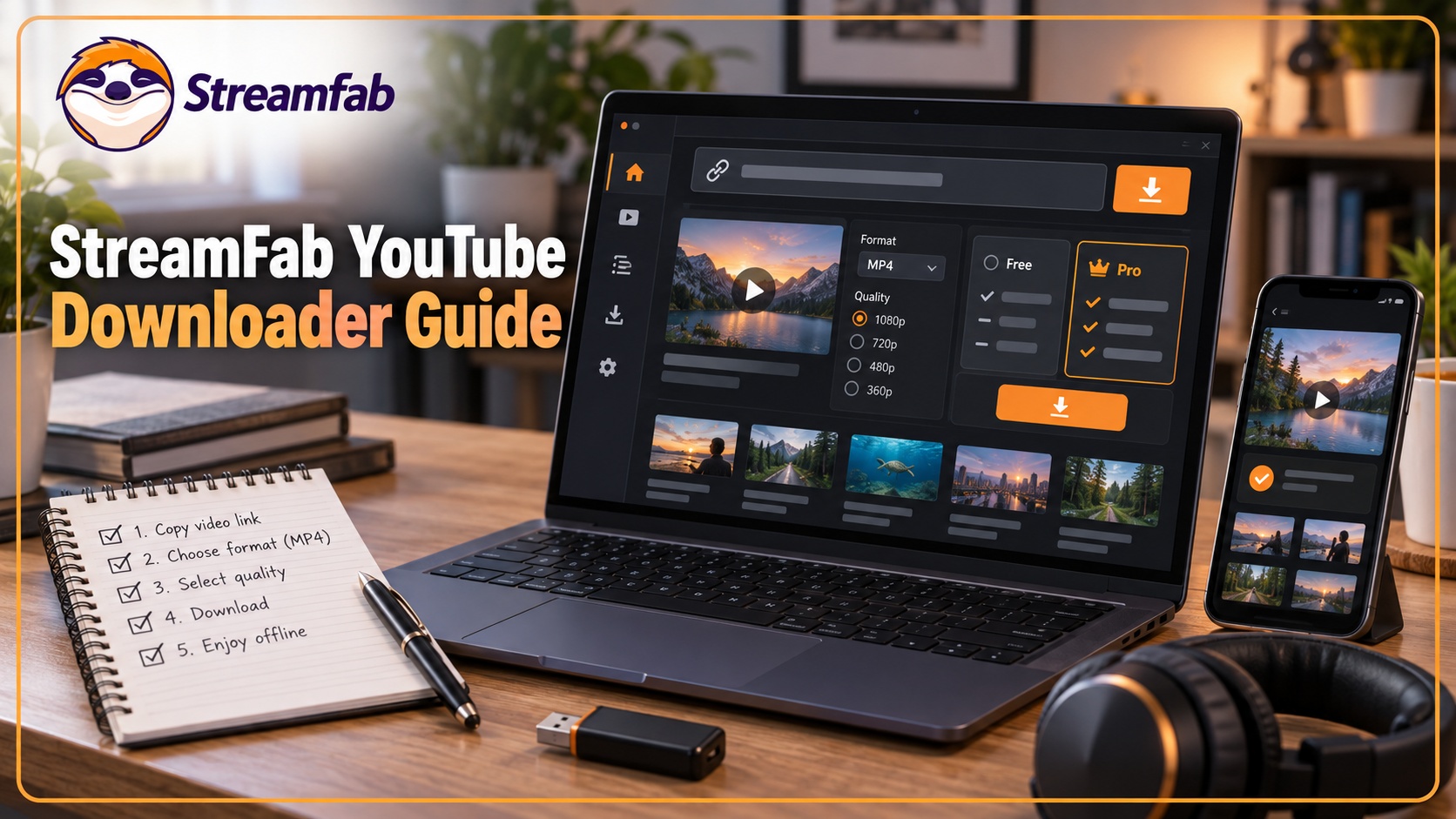
Wondering what is StreamFab? I tested the StreamFab YouTube Downloader Pro for YouTube TV offline access, 8K AV1 hardware acceleration, and batch archiving limits. See the 2026 real-world benchmark and learn how to avoid API throttling.
By Erika Leen - Sep 24, 2026