
How to Download Hulu Videos to MP4: 2 Offline Paths Explained

Summary: Hulu's own downloads stay locked inside its mobile apps, so there are two honest ways to watch offline: the official in-app download for phones and tablets, or a desktop MP4 workflow. This guide compares both paths, explains why screen recording fails on protected playback, and helps you match output settings to the device you actually watch on.
If you've tried to save Hulu videos on a laptop and hit a wall, you're not imagining it. Hulu's own downloads live inside its mobile apps, so the file you saved on your phone won't just move over to your laptop as a plain MP4. That single fact is what sends most people searching for a Hulu to MP4 route in the first place.
There are really two honest ways to download Hulu videos for offline viewing, and they solve different problems. This guide walks through both: Hulu's official in-app downloads, which are great for phones and tablets, and a desktop MP4 workflow, which is useful when a laptop, TV, or your own drive is where you actually watch. I'll also cover why screen recording usually flops on protected playback, so you don't waste an evening on it like I did.
Official Hulu Downloads and MP4 Files Differ
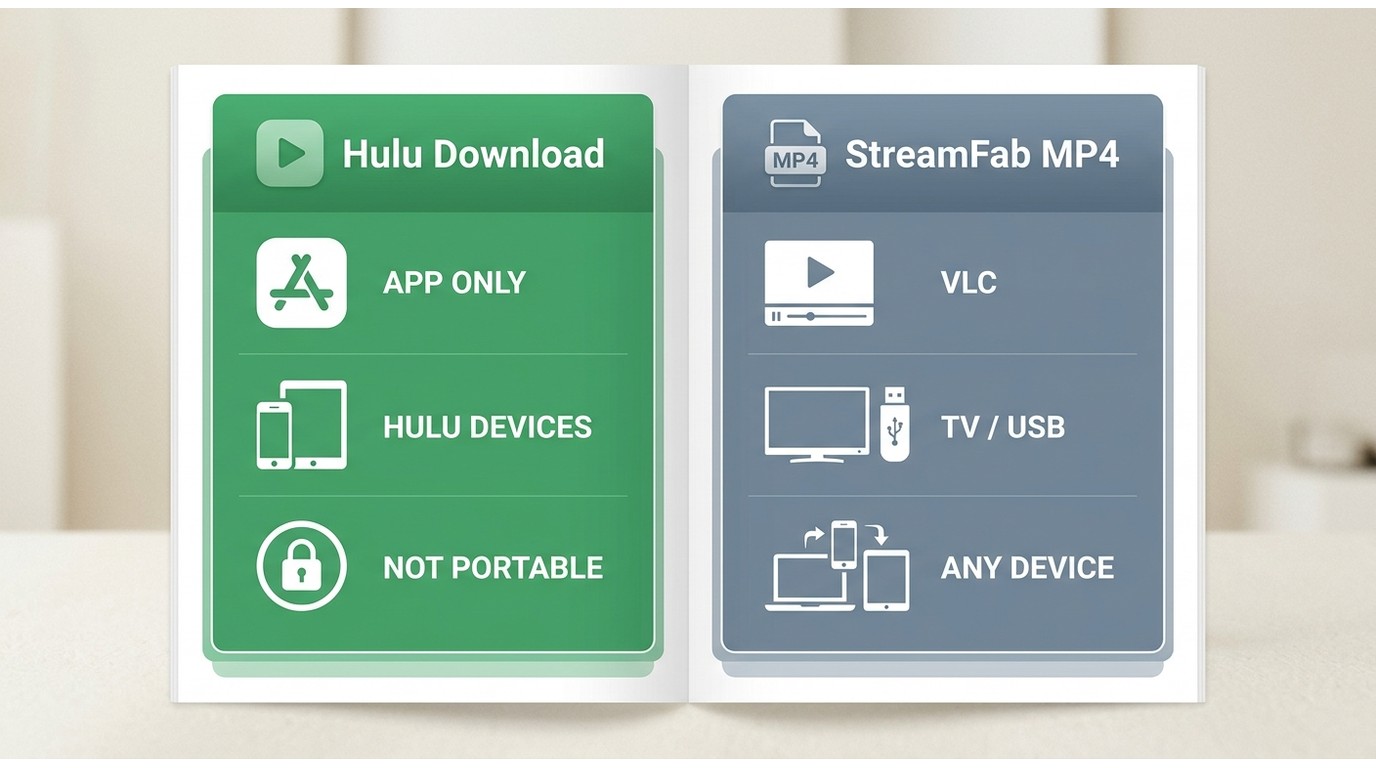
The core difference is where the file lives and what it can do. Hulu's official downloads are managed inside supported Hulu apps and tied to your subscription and each title's rights. A portable MP4 is a standalone file you can play in most media players on more devices, which is exactly why people go looking for one.
What the Hulu App Saves
Inside the Hulu app on a supported phone or tablet, eligible titles download for offline play. Those files stay in the app: you can't copy them out as an MP4, and their availability follows Hulu's current eligibility and renewal rules. It's a clean experience if the screen in your pocket is your main screen.
What a Portable MP4 Changes
A portable MP4 changes the playback surface. Because it's a standard file, it opens in VLC, on a smart TV through a USB stick, or from a home server, without depending on the Hulu app being installed and signed in. The tradeoff is that you're now responsible for using those portable MP4 files only for authorized, personal offline viewing.
Here's the same decision laid out side by side:
| Hulu Download | StreamFab Hulu Downloader | |
|---|---|---|
| Device | Mobile only (phones, tablets) | Windows PC & Mac |
| Quality | 1080p | 1080p/4k |
| File Format | Official downloads are typically tied to the Hulu app and its supported playback environment. | MP4/MKV are common formats for broader device compatibility (availability may vary by title and is subject to rights and service terms). |
| File Property | Official offline availability is generally linked to your subscription status and app rules. | A desktop workflow can keep a local MP4 for personal offline use where permitted (subject to rights and service terms). |
| Expire | Governed by Hulu's current in-app eligibility and renewal rules. | A local file on your own drive for personal offline use (playback still subject to rights and service terms). |
| Content Availability | Official offline access can be limited by plan, device, and title. | Results with any tool may vary by title/region/plan and are always subject to rights and service terms. |
My rule of thumb: if you only ever watch on your phone during a commute, the official download is the simpler pick. The MP4 route earns its keep when a laptop or TV is where you actually want the show.
Choose the Right Offline Path
Pick the path that matches your screen and your patience. Here are the three routes people actually try, and where each one fits.
Official Downloads for Phones and Tablets
For phone and tablet viewing, Hulu's built-in downloads are the path of least resistance. Availability depends on your plan, the device, and whether a given title is eligible or shows up as unavailable, and there's a per-account cap that a long trip can bump into before you've stocked up, which is where Hulu's download limit comes in. For most people that's fine; for a two-week trip with a full watchlist, it's worth knowing in advance.
Local MP4 Files for Laptops and TVs
This is the route most laptop travelers are hunting for. Hulu's offline mode is built for phones and tablets, so if you want a show on a 15-inch laptop on a plane, or on a hotel TV, you need a local file rather than an app-locked download. A desktop workflow that can keep Hulu videos locally as an MP4 gives you that bigger-screen playback, as long as you stick to content you're authorized to watch. On a Windows 11 laptop, I saved an authorized episode as MP4 and it played straight from the desktop in VLC with no app sign-in at playback time, which is the whole point for watching Hulu videos on a laptop offline.
Why Screen Recording Can Fail
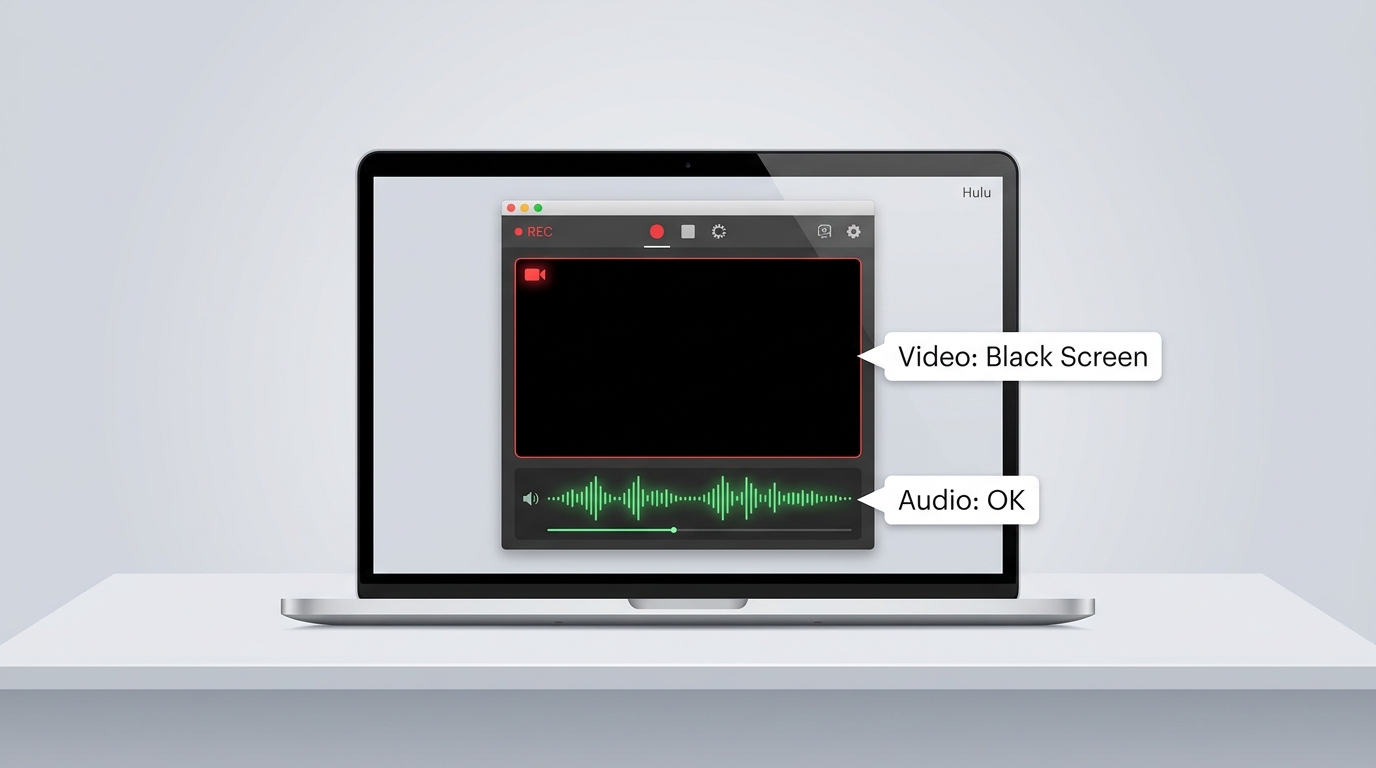
Screen recording looks like the obvious free trick, and it's also the one that fails most often. When playback is protected, a recorder frequently captures a black screen with audio only, or a video track that drifts out of sync. I've watched a capture on a Mac come back as a black rectangle with perfect sound, which is worse than useless for a movie. That isn't a setting you can grind past; it's how protected playback behaves, so I'd skip recording as a primary plan.
StreamFab Hulu-to-MP4 Workflow
If a local MP4 is what you're after, StreamFab Hulu Downloader is one desktop way to get there for content you're authorized to access, where permitted by platform terms and applicable law. It runs on Windows and Mac and saves an authorized title as an MP4 or MKV you can move between devices.
When This Desktop Workflow Fits
Best for people who watch on a laptop, a TV, or from a local library and want a file that isn't tied to the Hulu app. Not ideal for anyone perfectly happy with Hulu's mobile downloads, or hoping for a no-install online converter (those browser "Hulu to MP4" sites are where the broken files and pop-up ads live). Being honest about that saves you a download you'd only delete later.

Save the Hulu titles you can already access in an MP4-compatible format for personal offline viewing, with options for audio tracks (including EAC3 5.1 when available) and H.264/H.265 choices to better balance quality and storage.
Save an Authorized Title as MP4
The workflow itself is short, and none of it asks you to touch protected system files. You're simply picking output options for content you already have access to:
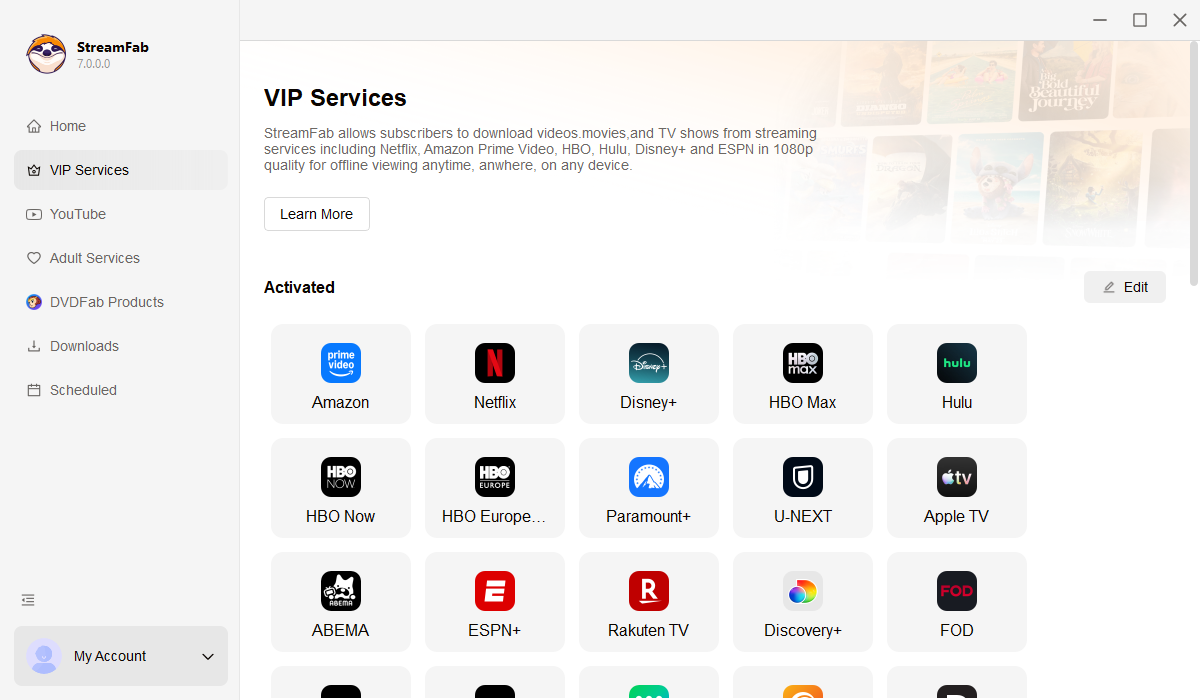
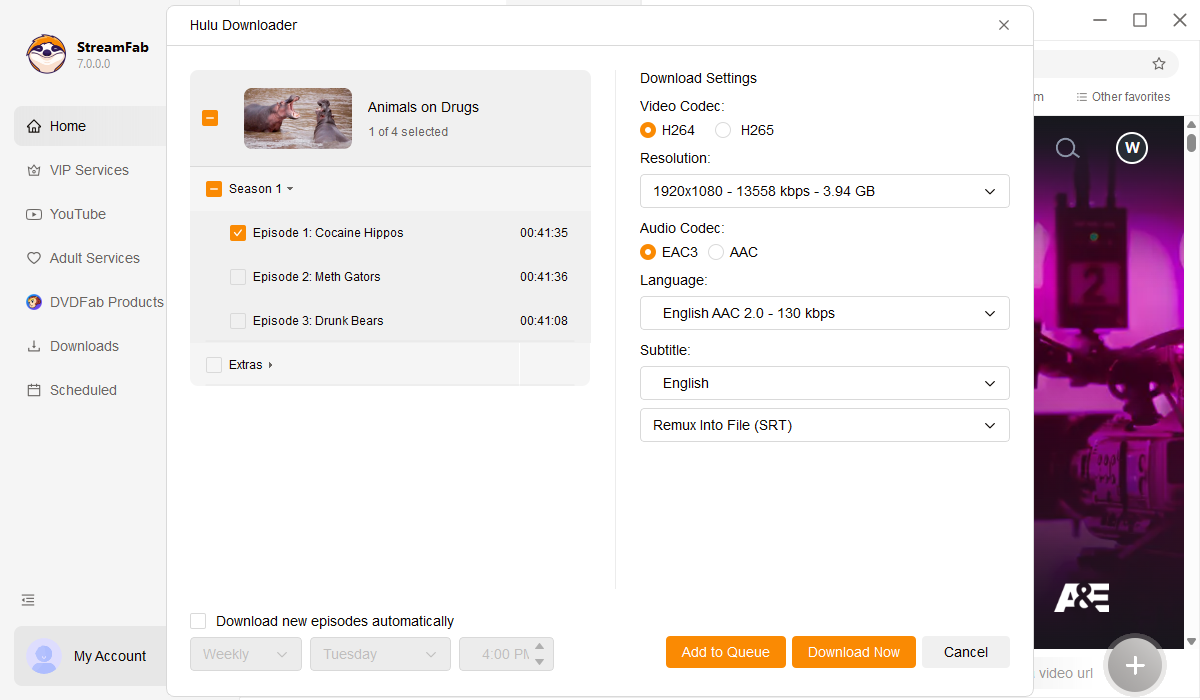
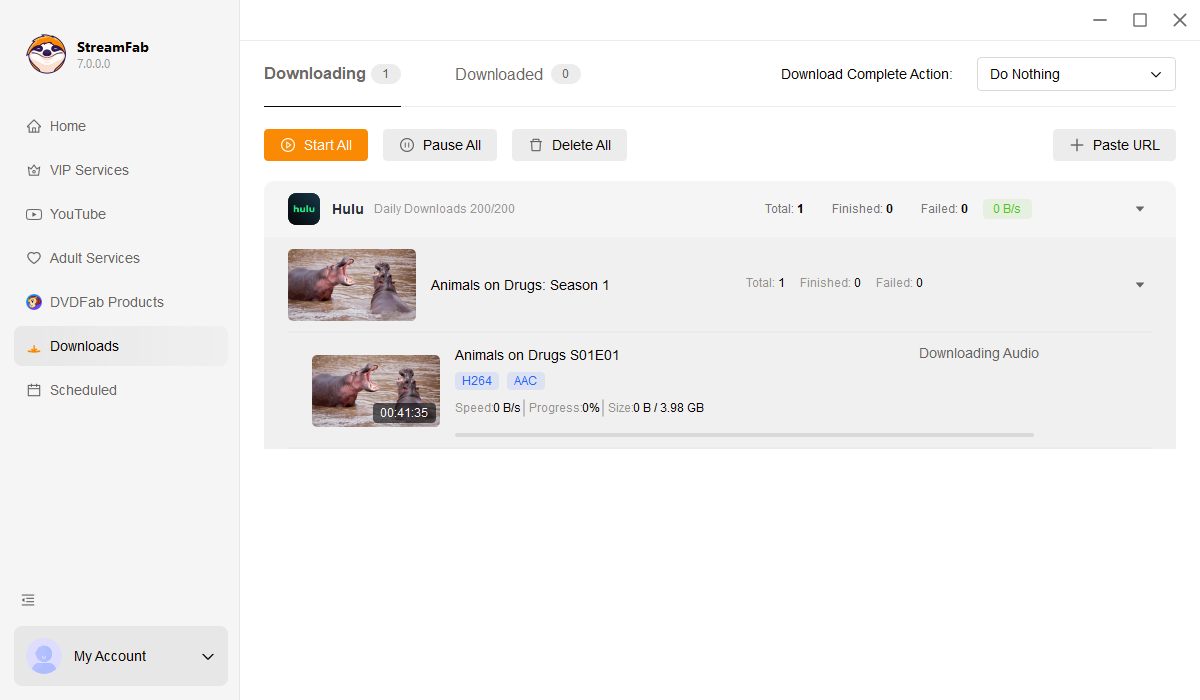
If a task stalls, a few ordinary steps usually help: update the app, restart the task, clear the built-in browser's cache, and sign in again. If you're hitting a specific playback error rather than a plain timeout, our write-up on common Hulu DRM errors goes deeper than I will here. None of these are guaranteed fixes, but they clear the most common stalls.

Match MP4 Settings to Your Device
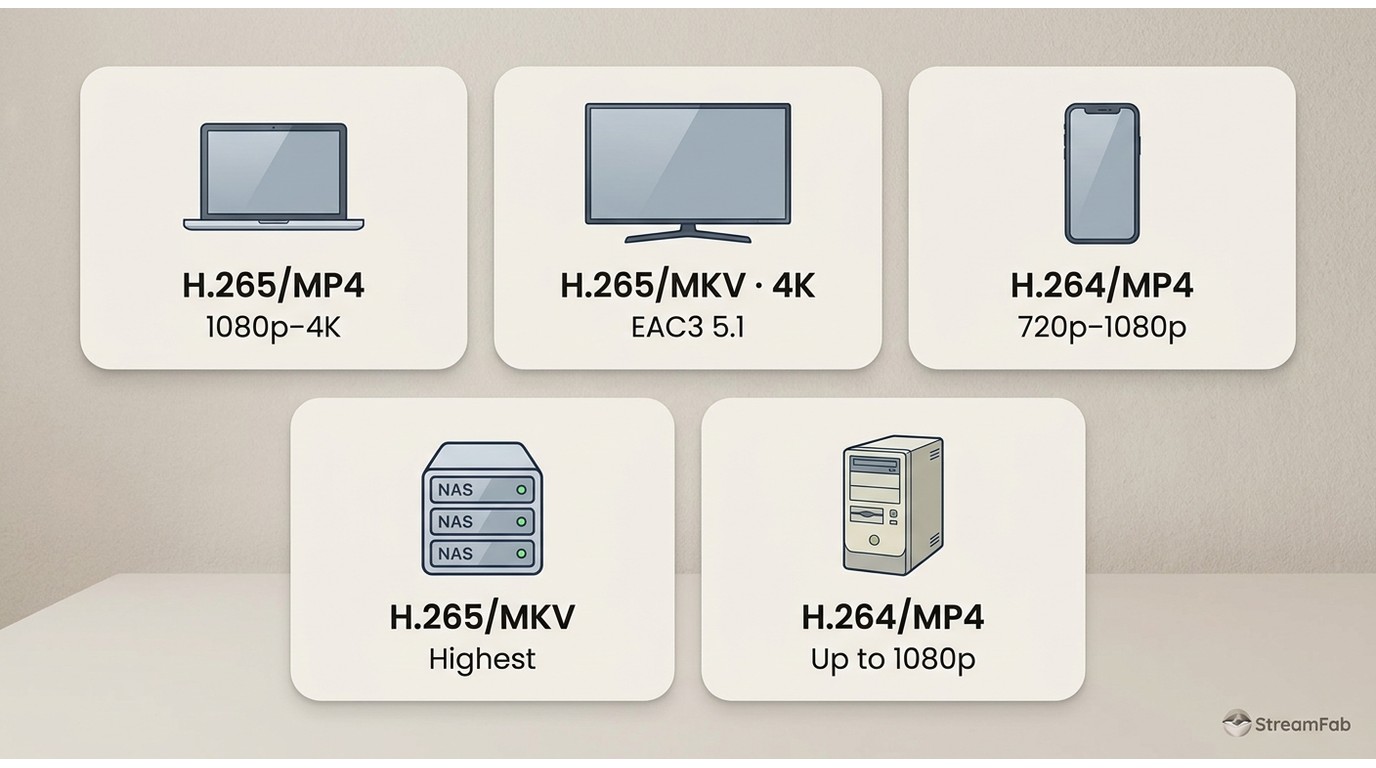
The right settings depend on where you'll watch. MP4 with H.264 is the safe, plays-everywhere choice; MKV with H.265 saves space when your player supports it. Available resolution, audio, and subtitle options depend on the title and the source stream, so treat the table below as targets rather than guarantees.
Format and Codec Choices
For maximum compatibility, MP4 with H.264 plays on nearly anything, from an older tablet to a smart TV's USB port. If your device handles H.265 (HEVC), MKV with H.265 keeps quality at a smaller file size, which matters when you're loading a whole season onto a laptop before a flight.
Quality, Audio, and Subtitles
StreamFab can save up to 4K on titles that offer it, and it can keep a 5.1 audio track (EAC3 5.1) instead of flattening everything to stereo, plus HDR formats like HDR10 and Dolby Vision where the source provides them. Subtitles can be muxed into the file or saved as an external SRT. Whether you actually get 4K or 5.1 comes down to the specific title and what the service delivers to your device.
Storage and Playback Targets
Think about the destination before you save. A laptop or phone benefits from smaller H.265 files; a TV or home-theater setup is where 4K and 5.1 earn their space; a NAS or external drive is the place for an archive you'll revisit. Older hardware is happiest with plain MP4/H.264.
| Where you watch | Suggested format | Codec | Resolution target | Audio | Subtitles |
|---|---|---|---|---|---|
| Laptop or desktop | MP4 or MKV | H.265 for smaller files | 1080p, up to 4K if offered | Stereo or 5.1 | Muxed or external SRT |
| Big-screen TV | MKV | H.265 | Up to 4K if the title offers it | 5.1 (EAC3) | Muxed for TV players |
| Phone or tablet | MP4 | H.264 | 720p to 1080p to save space | Stereo | Muxed |
| NAS or home server | MKV | H.265 | Highest the title offers | 5.1 (EAC3) | External SRT for flexibility |
| Older hardware | MP4 | H.264 | 1080p | Stereo | Muxed |
Practical upshot: pick the format for the weakest device in your rotation, since a file that plays on the old tablet will also play on the new TV.
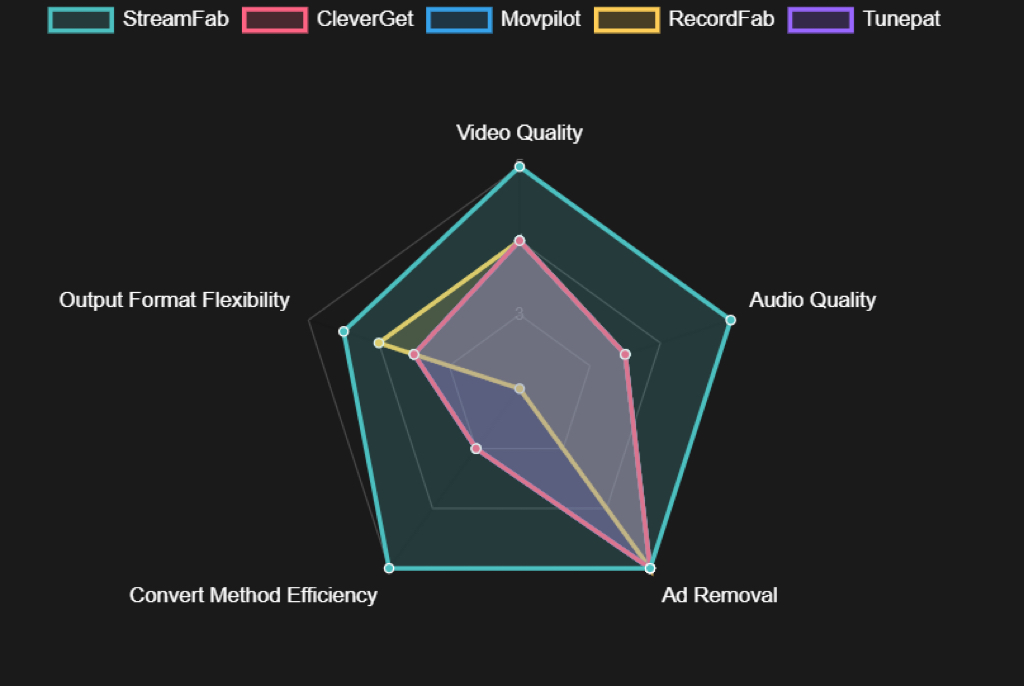
For context, here's how a dedicated downloader compares with a plain screen recorder on the points that decide whether you end up with a usable file:
| Feature Metric | StreamFab | Standard Screen Recorders |
|---|---|---|
| Download Support | Records the authorized stream to a local MP4/MKV file | Often returns a black screen or out-of-sync audio on protected playback |
| Hulu Ad-Tier Ad Removal | Ad-supported streams are handled while saving (results depend on the title) | No (Records the ads in real-time) |
| Disney+ Bundle Download | Supported natively | Requires separate software logic |
| Subtitle Format | Remuxed into file or external SRT/VTT | Hardcoded only (Cannot be turned off) |
Responsible Personal Offline Use
One boundary, stated once: keep this to personal backup and offline viewing of content you can legally access during a valid subscription. Don't redistribute, share, or use it commercially. Whether a local copy is permitted, and for how long, still depends on the platform's terms and the copyright rules where you live. That single boundary covers the whole guide.
This software is intended for personal backup and offline viewing of content you can legally access during a valid subscription. Do not use it for redistribution, sharing, or commercial purposes.
FAQs
Why is the download button missing for some Hulu titles?
Usually it comes down to eligibility. Download availability depends on your plan, a supported mobile device, the title's rights, and your account status, so a show that's downloadable for one subscriber may be unavailable for another. If a title you expect is missing, check Hulu's current download rules for your plan.
Does Hulu still let subscribers download shows for offline viewing?
Yes. Eligible subscribers can still download eligible titles inside the Hulu app on supported devices. Just remember those are in-app downloads, not exportable MP4 files you can move to other players.
Can I get a Hulu video as an MP4 directly on an iPhone?
Not from the iPhone app itself. Hulu stores eligible downloads inside the app rather than exporting an MP4. A desktop local-file workflow on Windows or Mac is a separate option for authorized content where it's permitted, and you'd copy the finished file to your phone afterward.
Why did an offline Hulu download disappear from my device?
App-tied downloads come and go with Hulu's rules. A title can drop off when its licensing window changes, when your plan or account changes, or when a download needed a renewal check the app couldn't complete. It's rarely a bug on your end, and re-downloading an eligible title usually brings it back.
Conclusion
So, which path? If your viewing lives on a phone or tablet, Hulu's official downloads are the simplest choice and you don't need anything else. If you want a show on a laptop, a TV, or in a personal library, a desktop MP4 workflow like StreamFab is the more practical fit, as long as you keep it to authorized, personal offline use. My honest take: match the tool to the screen you actually watch on, and skip the browser "converters" promising a one-click miracle. Pick once, set your format for your weakest device, and you're done.

Learn why Hulu DRM errors and black screens appear on certain devices in 2026 and how to fix them. Includes tested solutions for security requirements, HDCP handshakes, and offline conversions.
By Erika Leen - Sep 20, 2026
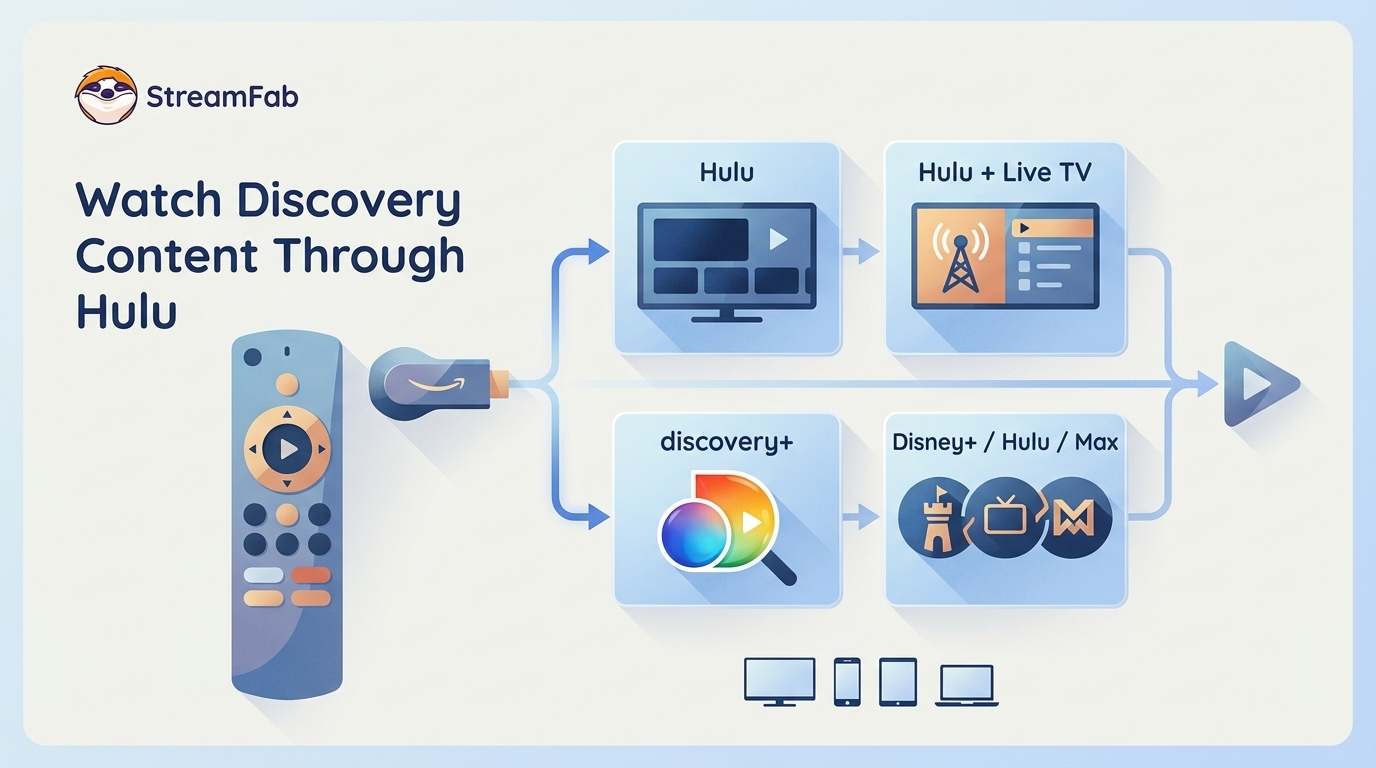
If searching for Discovery Plus on Hulu has left you wondering whether one subscription unlocks both services, the answer is no: Hulu carries selected Discovery shows and eligible live channels, but discovery+ remains separate. The same distinction matters when you search for Discovery Channel on Hulu.
By Erika Leen - Aug 11, 2026

The Hulu download limit is 25 titles across 5 devices, and the ad-supported plan is not eligible. Learn how to fix Hulu downloads not working, remove ghost devices, and manage offline viewing reliably in 2026.
By Erika Leen - Aug 6, 2026

The best Hulu downloader depends on whether you need official mobile offline viewing, laptop local files, or a recording workflow. This Hulu downloader review compares five options by documented output, device fit, and reliability limits rather than unsupported universal claims.
By Marcia Hatcher - Jul 30, 2026