
How to Download Netflix Shows on a Tablet for Offline Viewing

Summary: Discover the 2026 technical realities of grabbing HD content for your tablet. We expose Widevine DRM limitations, and build a restriction-free offline media library.
Can You Download Netflix on a Tablet?
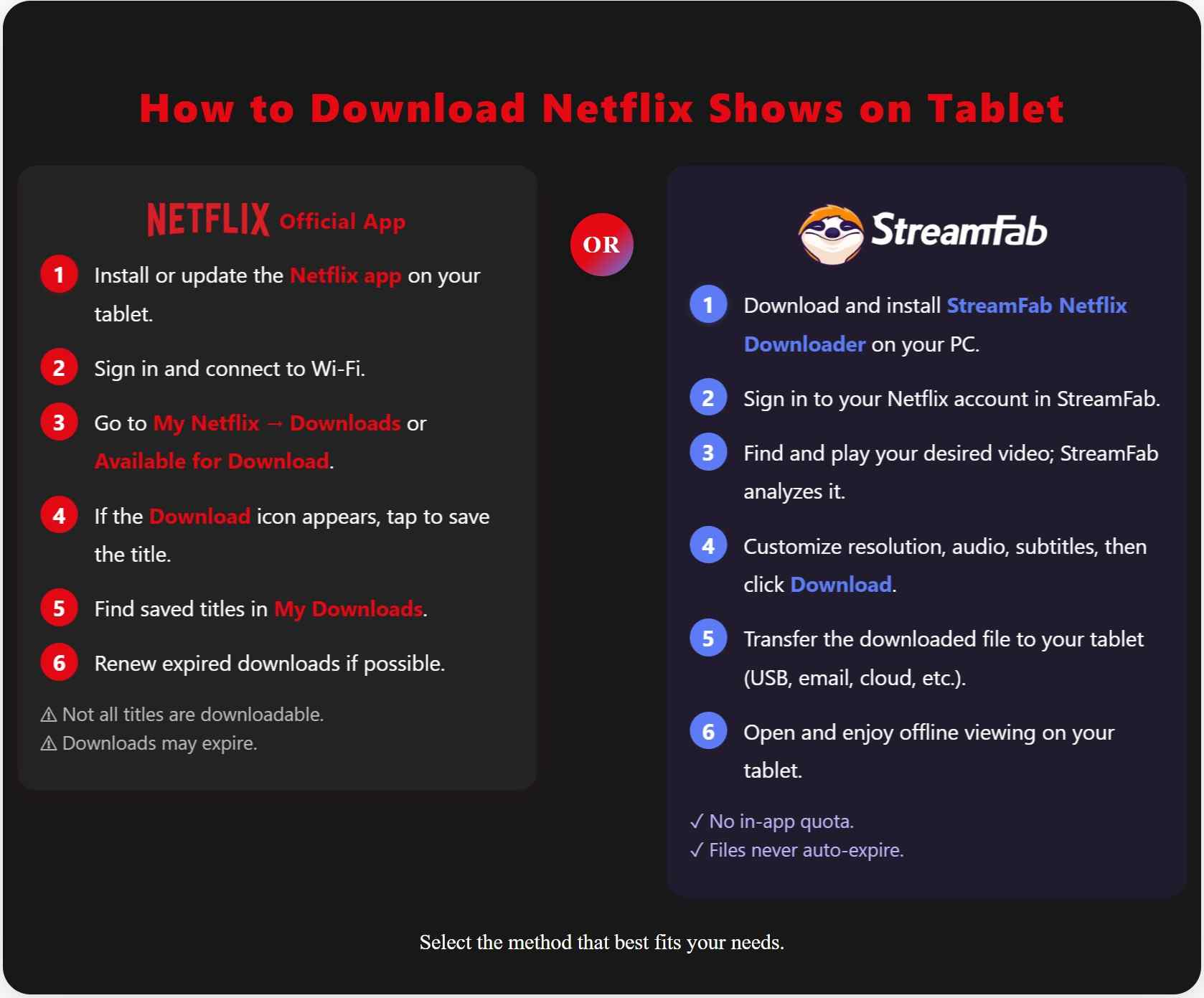
A missing download icon or a nearly full tablet can ruin Netflix offline viewing right before a trip. Supported iPad, Android, and Fire tablets can download eligible Netflix titles in the official app for offline playback. In short, start with the app, then troubleshoot availability, storage, and device compatibility before considering a transferable-file workflow.
My practical rule is simple: the Netflix app is the least complicated path for most tablet viewers. Use it when you need a few shows for a flight or commute; consider local MP4 or MKV files only when moving files between compatible devices is the actual requirement.
Native Netflix Downloads by Tablet
iPad and Android Tablets
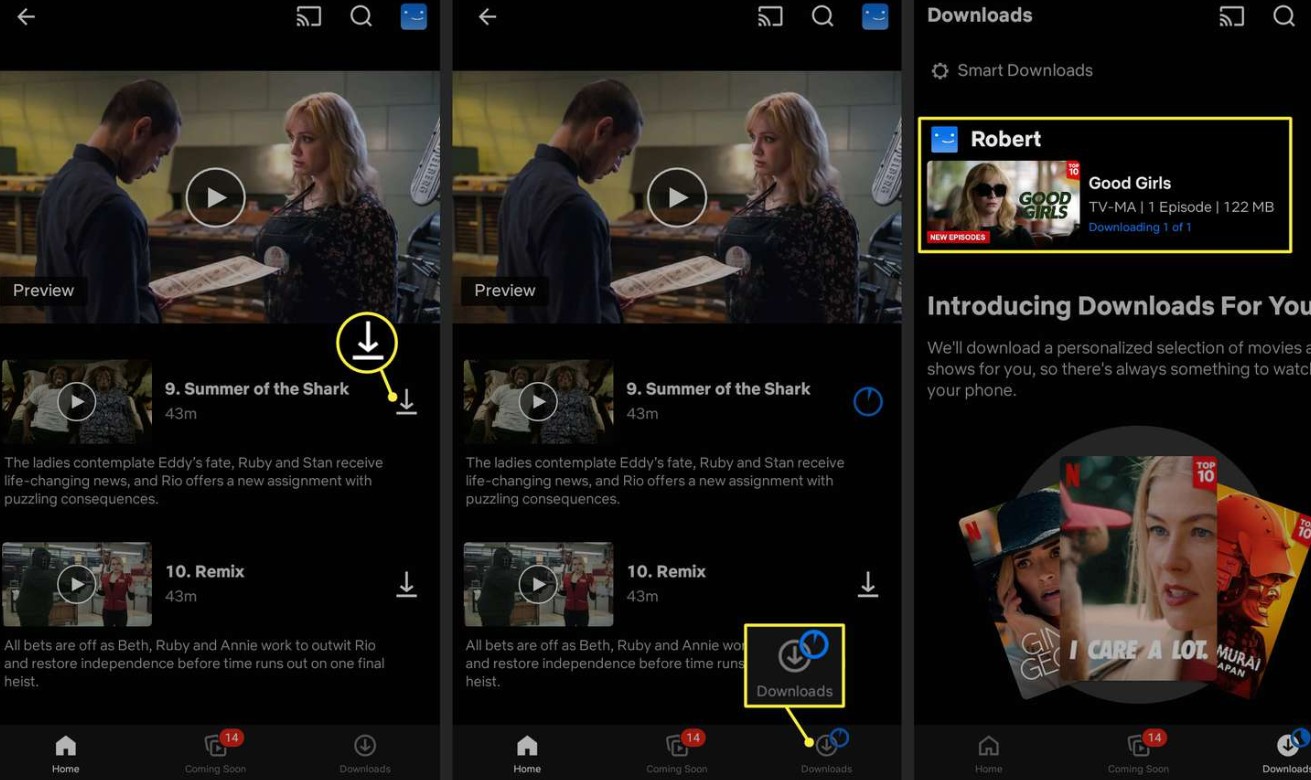
On a supported iPad or Android tablet, install or update Netflix, sign in, open an eligible movie or episode, and tap Download. When it finishes, open Downloads in the app to watch without Wi-Fi. For device-specific details, see downloading Netflix videos to an iPad or iPhone.
Use the same in-app flow on Android. A current Netflix app and supported operating system matter more than deep device diagnostics at this stage, and an updated app alone does not make every title downloadable.
Amazon Fire Tablets
On a supported Amazon Fire tablet, install or update Netflix, sign in, choose an eligible title, and tap Download. Finished titles appear in the Downloads area for offline playback, just as they do on iPad and Android tablets.
If you expect to save several episodes, set your download location before starting. Netflix download availability, account limits, and expiration rules can vary by title, plan, and device. For a fuller explanation, see the guide to Netflix download limits.
When the Download Button Is Missing
Title and Device Checks
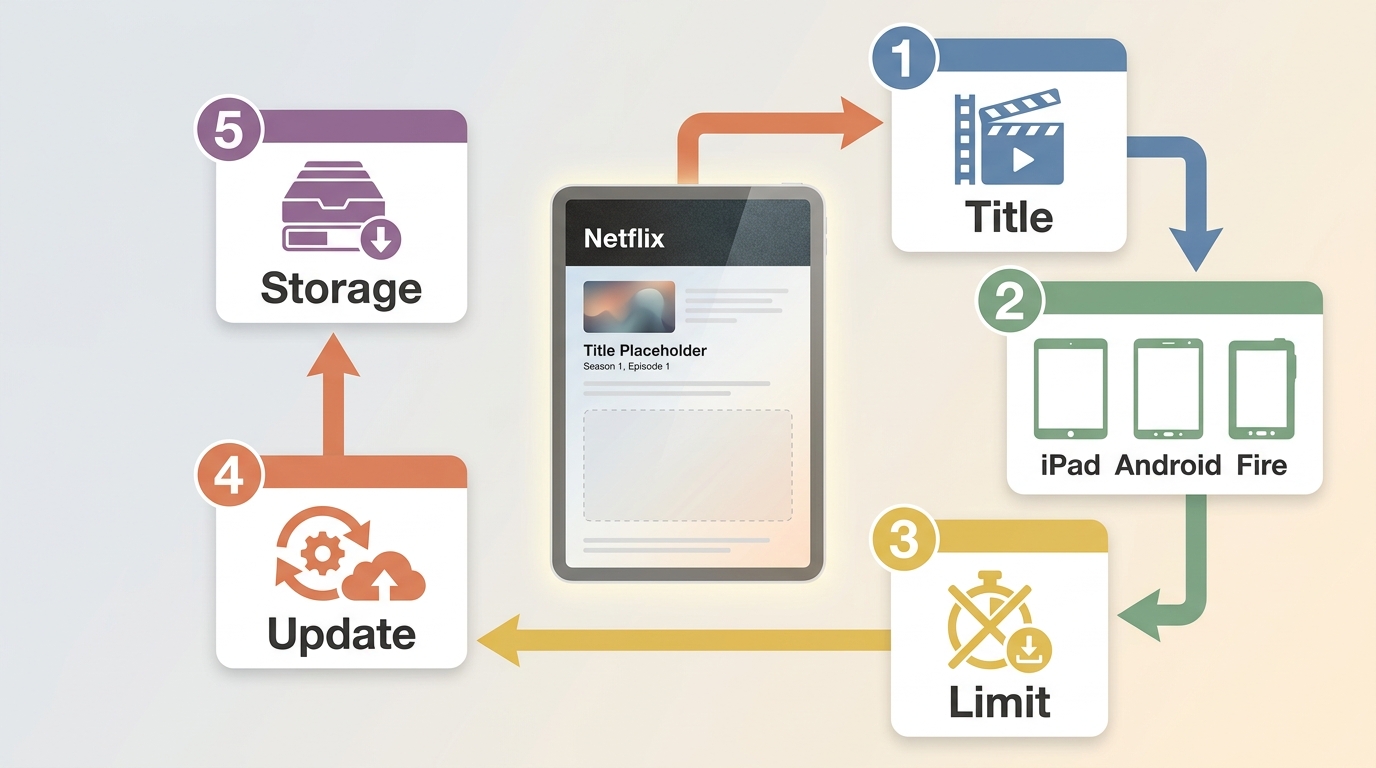
Check the title first. Not every Netflix title is available to download, even if other movies or episodes are. Next, confirm that your tablet is supported and that your account has not reached an applicable download limit.
App, OS, and Storage Checks
Update Netflix and your tablet's operating system, then check available storage and retry the download. If the button is still missing, follow Netflix's supported troubleshooting steps. Device certification can affect available playback quality, but title availability, device support, app version, account limits, and storage are the more useful first checks.
Offline Limits, Storage, and Quality
Download Location and Space
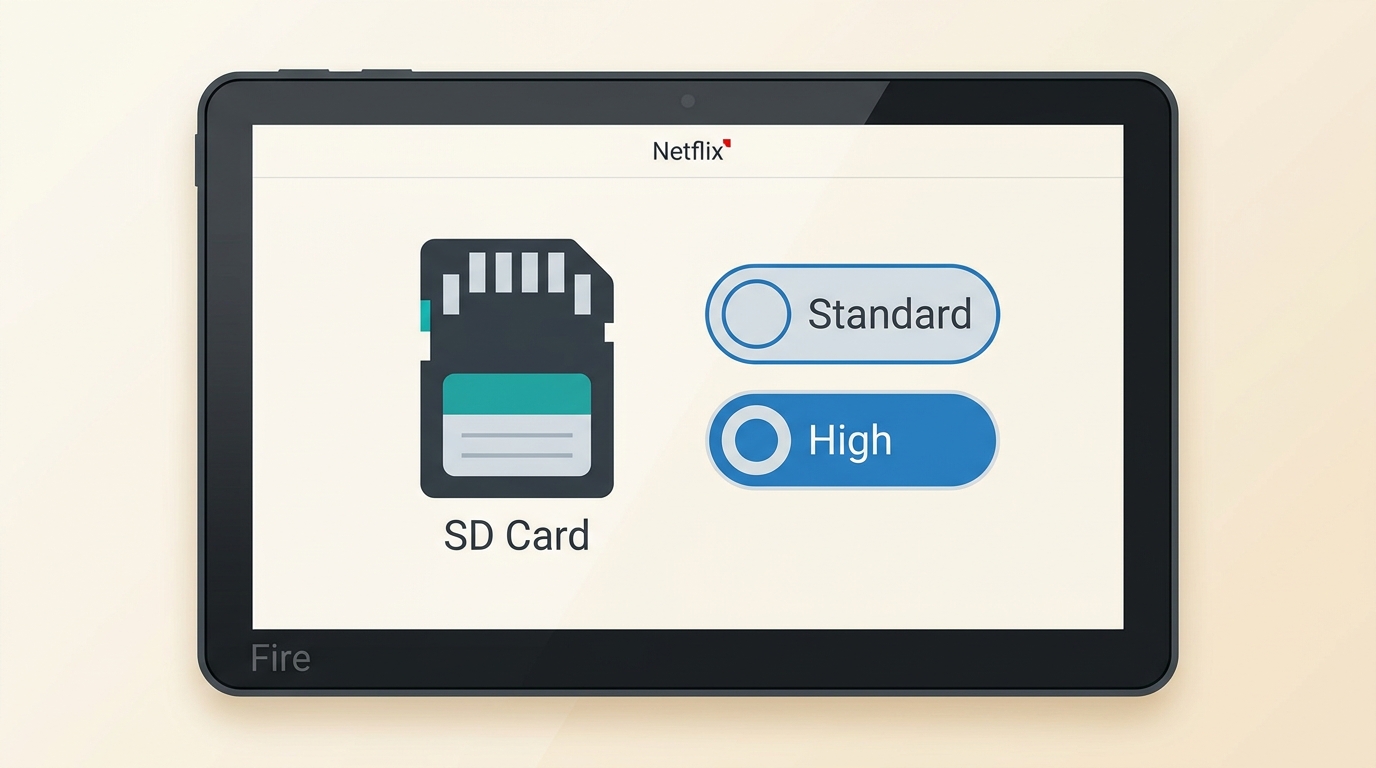
On a Fire tablet with an SD card installed, open Netflix App Settings, select Download Location, and choose SD Card. Downloads already stored on the tablet do not move automatically. Leave room for the app and system files, since apparent available capacity can still be limited by device or app behavior.
Quality Settings and Playback
Netflix offers download-quality settings such as Standard and High. Higher quality generally uses more storage, while the available result can also depend on the title, device, app version, and supported playback capabilities. Choose the setting that fits your free space before downloading a full season.
Native App or Transferable Local Files?
When the Netflix App Is Enough
The Netflix app is the simplest supported option for most tablet users: choose an eligible title, download it, and watch it from the Downloads area. It keeps playback, storage, and title availability in one place, which is exactly what I recommend for routine trips.
A Desktop Option for Authorized Offline Viewing
When you specifically need transferable files for compatible devices, StreamFab Netflix Downloader is a desktop option separate from Netflix's app. For content you are authorized to access, and where permitted by platform terms and applicable law, it can save a local copy for personal offline viewing before you transfer it to a tablet.
Netflix's native download experience on Windows has changed, while supported tablets retain the in-app route. Readers comparing that difference can review why Netflix does not support the download function on Windows.
For tablet compatibility, StreamFab Netflix Downloader supports Netflix output up to 1080p in MP4 or MKV, with codec choices including H.264 and H.265. It also supports batch and scheduled downloads, plus selectable audio and subtitle options. Those details matter when you are preparing several episodes rather than one movie.
For the broadest tablet compatibility, choose H.264 MP4. H.265 can reduce file size on tablets that support it, while VP9 and AV1 depend more heavily on the device and player. If you need a separate walkthrough for working with Netflix video files on a desktop, use that guide; you can also transfer Netflix movies to a USB drive or copy them to a compatible tablet with a USB-C cable.
Step 1: Install StreamFab Netflix Downloader on a Windows or Mac computer, then sign in to the Netflix account that has access to the title.
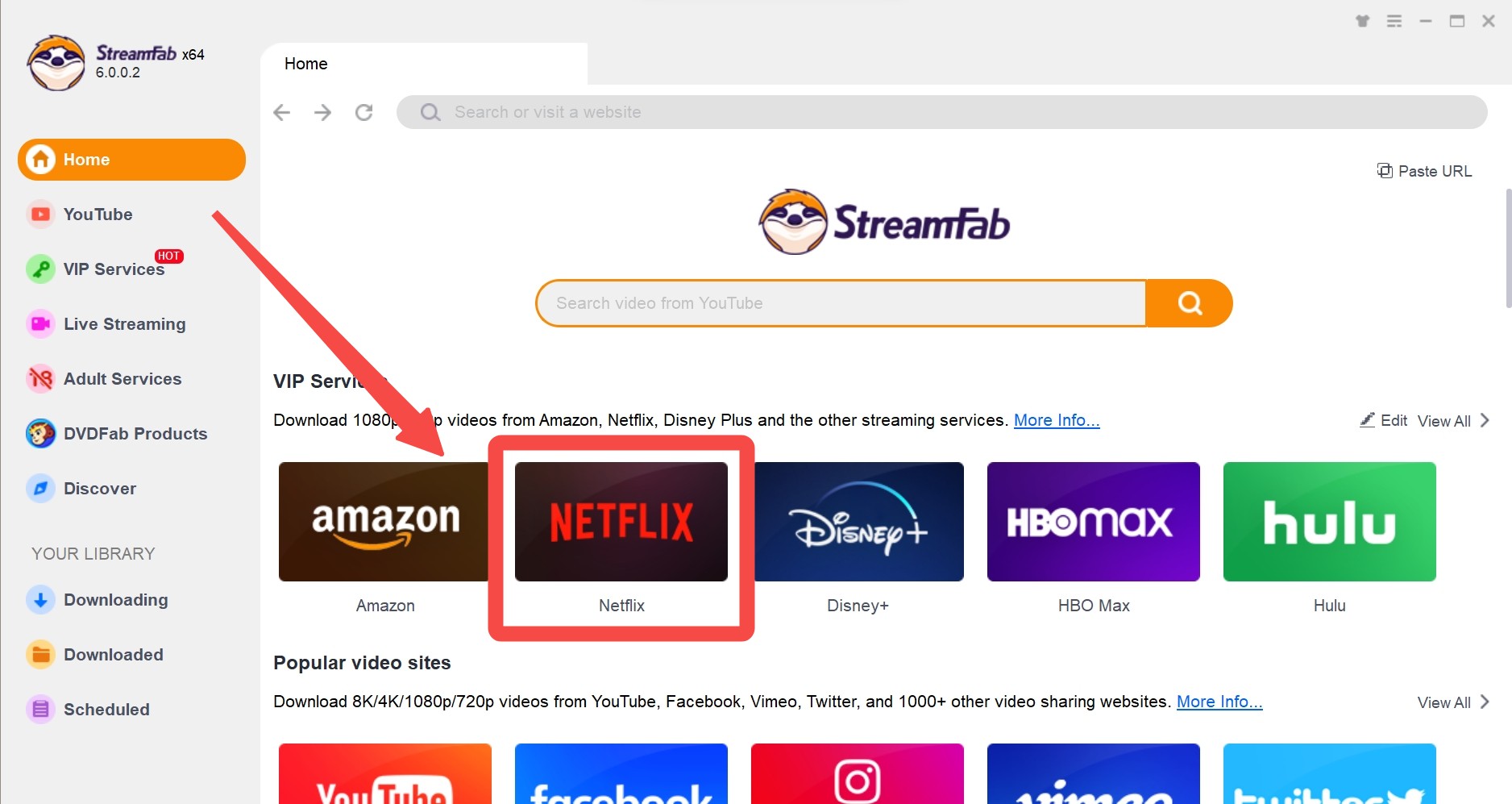
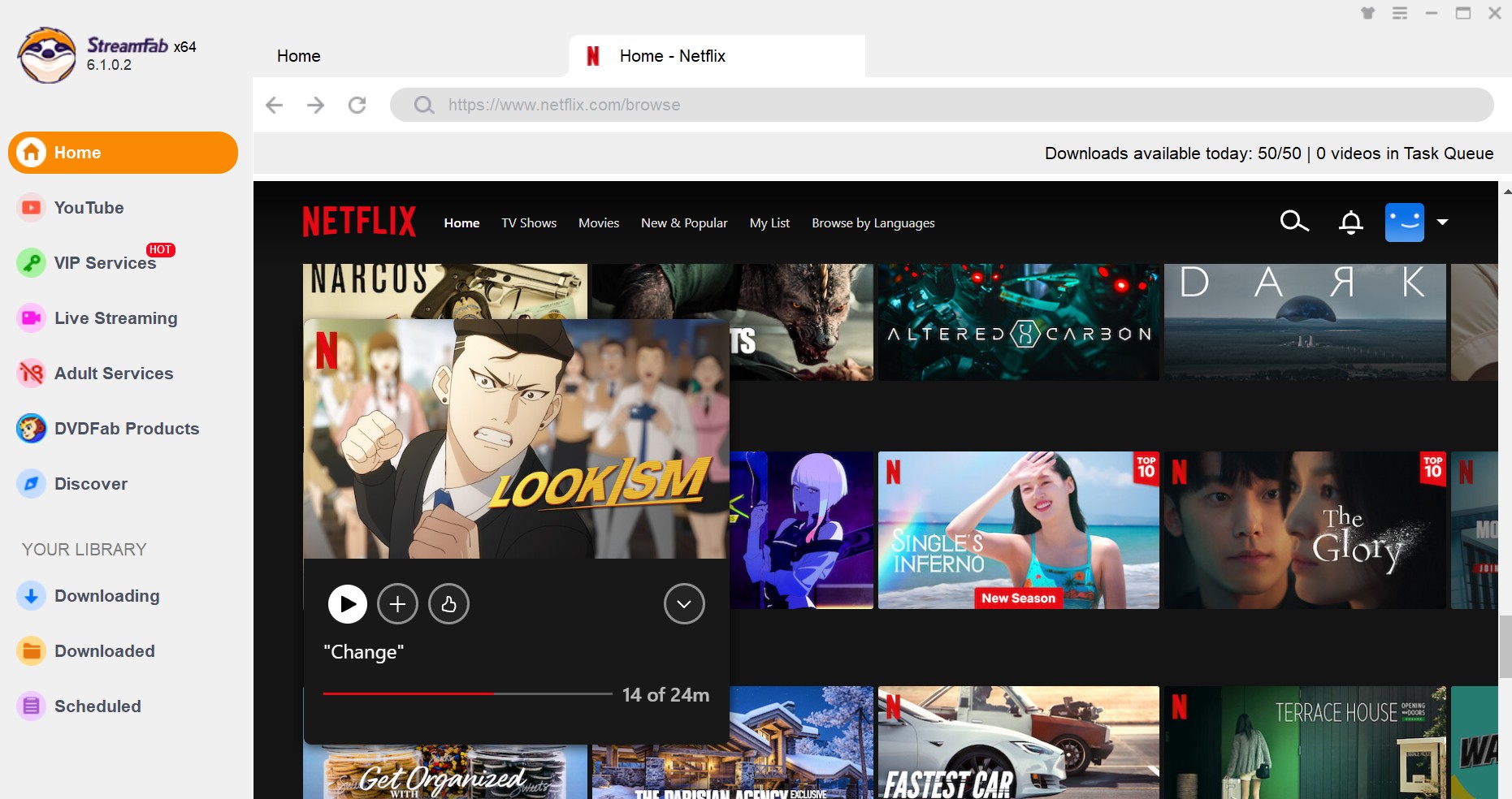
Step 2: Find the title in the app and select the episodes or movie you want to save for personal offline viewing.
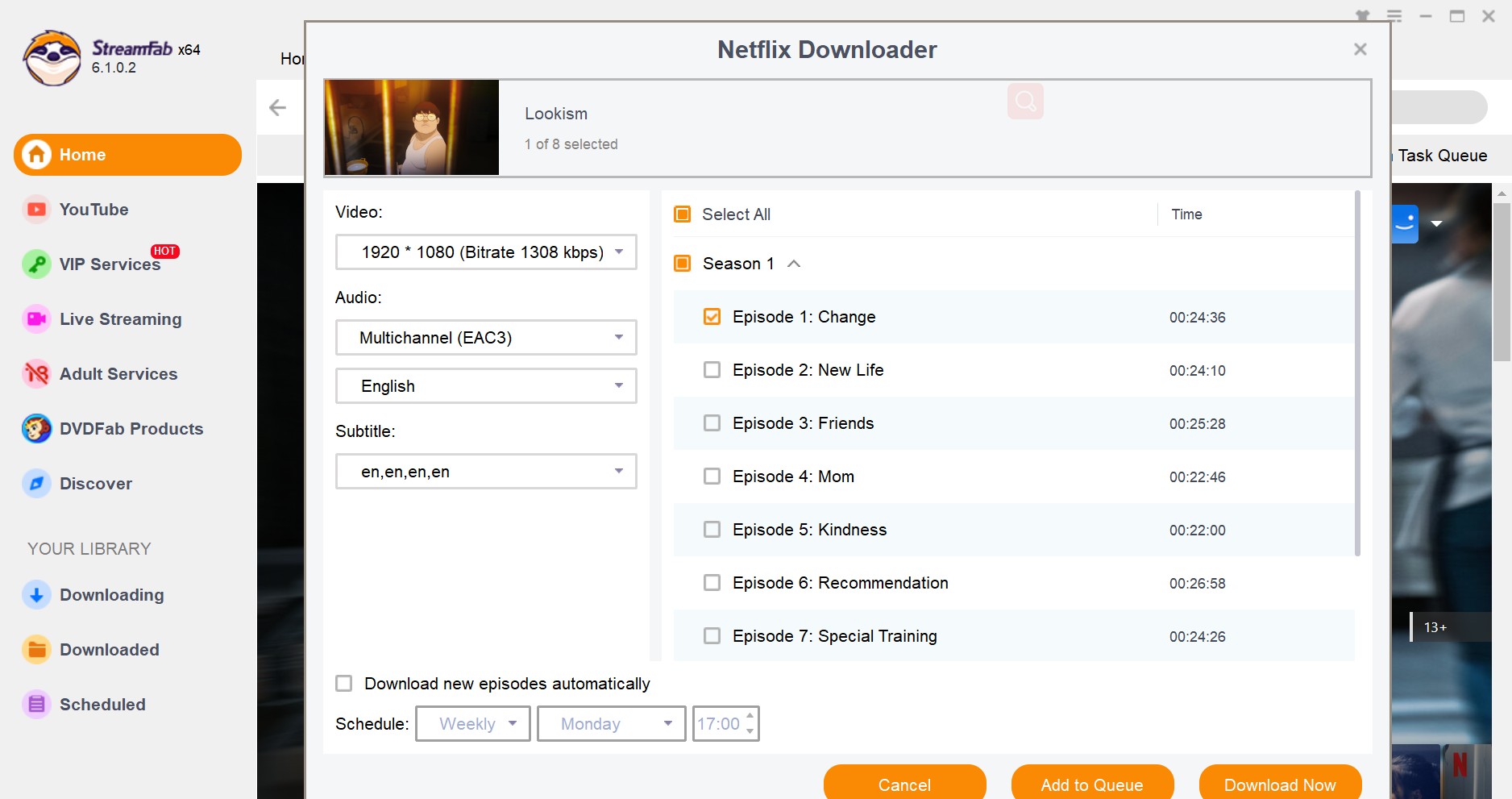
Step 3: Choose MP4 or MKV, then select a compatible codec, audio track, subtitles, and available quality before starting the task.
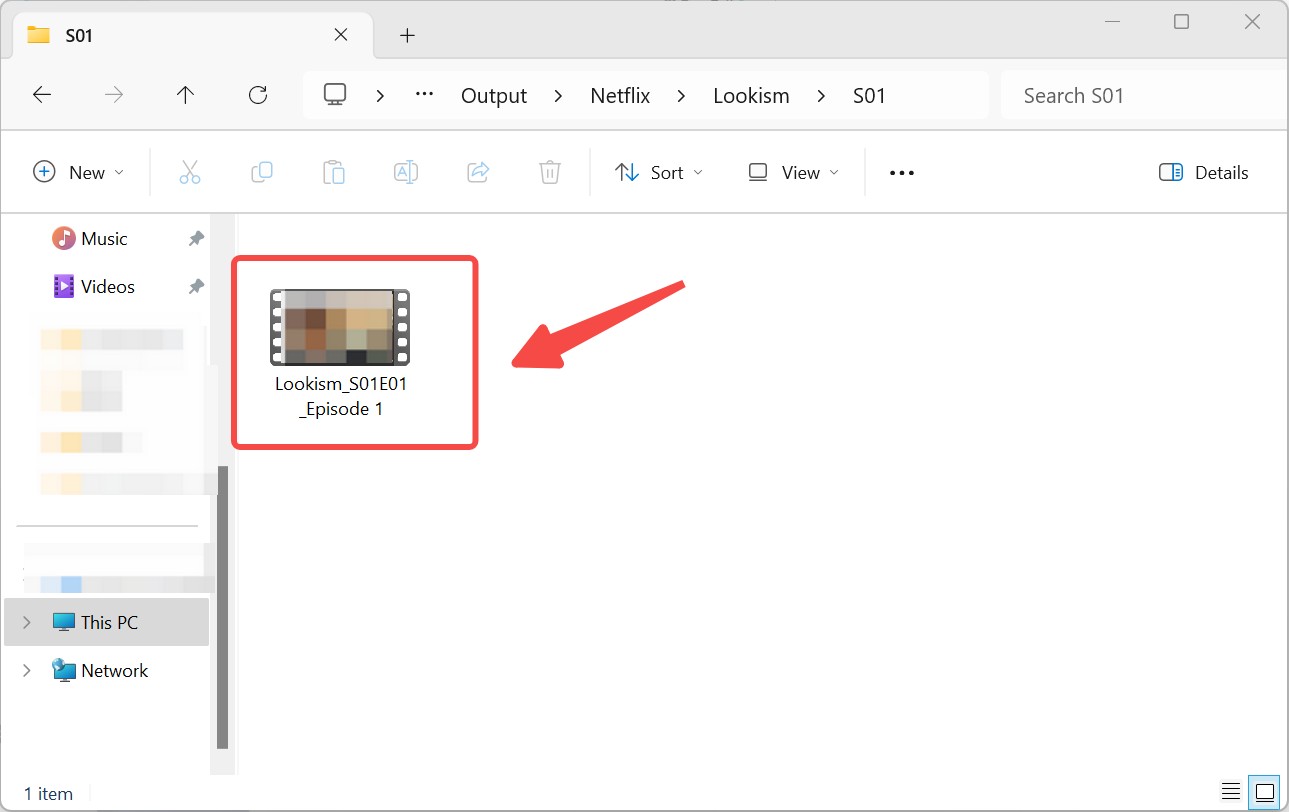
Step 4: Transfer the finished files to your tablet with a USB-C cable or another supported file-transfer method, then play them in a compatible media app.
Compatibility tip: H.264 MP4 is usually the safest choice for older tablets. H.265 may use less storage, but it can require newer hardware or a player with stronger codec support.
| Consideration | Netflix app on a tablet | Desktop local-file workflow |
|---|---|---|
| Best fit | Quick supported offline viewing | Transferable files are needed |
| Devices | Supported iPad, Android, Fire tablet | Windows or Mac, then compatible tablet |
| Storage | App storage; SD card on supported Fire tablets | Computer storage plus file transfer |
| Quality | Standard or High, title-dependent | Up to 1080p; MP4 or MKV |
| Conditions | Title, plan, device, and expiration rules apply | Personal use, authorization, terms, and local law |
FAQs
Choose the Path That Fits
For most tablet readers, Netflix's supported app is the right answer: it is fast to set up, easy to manage, and designed for Netflix tablet offline viewing. Before a trip, download eligible titles early enough to confirm that the button, storage, and playback all work as expected.
If you specifically need transferable MP4 or MKV files for compatible devices, a desktop workflow can make sense for content you are authorized to access. My recommendation is to choose that route for file portability, not as a replacement for the straightforward tablet app experience. Supported-device availability may change, so check Netflix's current Help Center guidance when planning downloads.

Protected Netflix video can appear black in Discord screen shares. Set up a synchronized watch party with Teleparty and use Discord for voice chat, with eligible access for each participant. Learn how personal offline playback differs and how to troubleshoot ordinary, unprotected screen sharing.
By Nicole Lopez - Sep 28, 2026
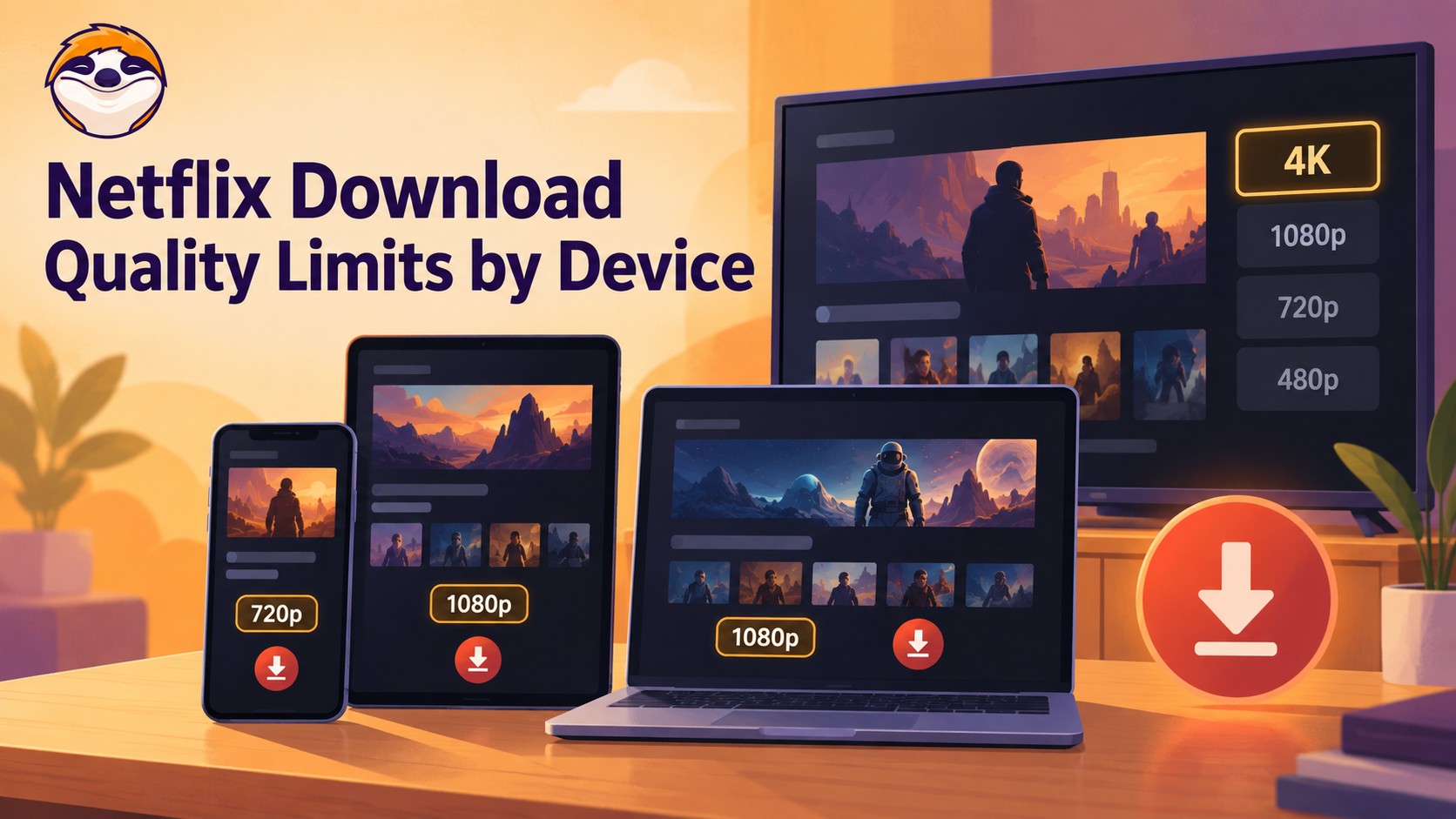
Netflix streams eligible titles in 4K, but official offline downloads stop at up to 1080p and are unavailable on Windows and Mac. Compare supported devices, check title eligibility, and understand how app-managed downloads differ from local MP4 or MKV files for personal offline viewing.
By Jacob Harrison - Sep 24, 2026
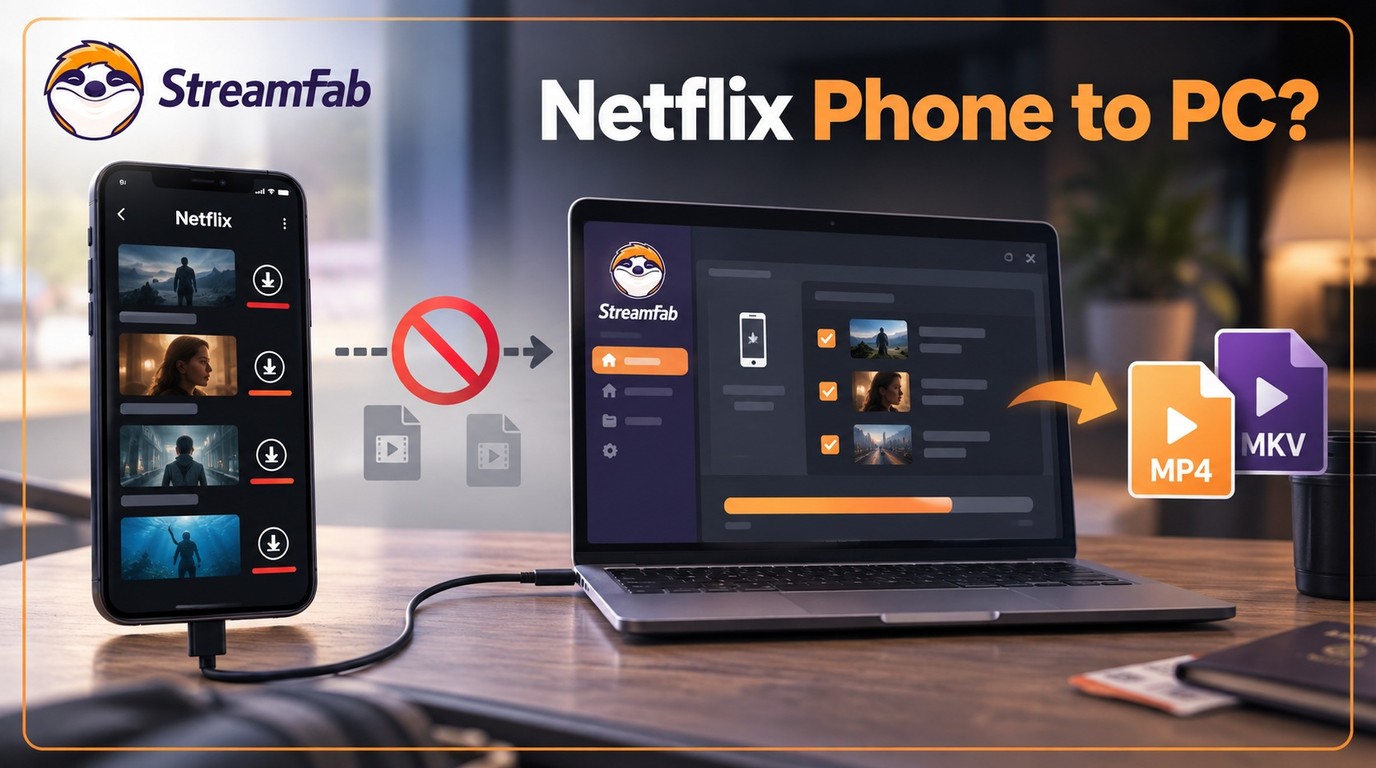
Can I transfer Netflix downloads from phone to computer? No direct method exists due to strict DRM, but you can convert them to MP4 for permanent cross-device offline viewing.
By Jacob Harrison - Sep 16, 2026
Netflix does not provide a native download path for macOS, but Mac users still have practical offline routes. This guide compares official iPhone and iPad downloads, cloud recording, and a desktop MP4/MKV workflow, with device requirements, measured StreamFab results, BlueStacks caveats, and troubleshooting steps.
By Marcia Hatcher - Sep 3, 2026