
Fix Apple TV Black Screen: 2026 Tested Recording Setup

Summary: This article discusses how to record on Apple TV on a PC or Mobile device. It explains why common methods screen recording often fail, and introduces effective alternatives such as RecordFab and StreamFab Apple TV Plus Downloader.
Back in March 2026, while running a digital archiving stress test on my local media server, I encountered the dreaded "Black Screen of Death." I was attempting to capture a newly released documentary, but my capture window showed nothing but pitch black with a playing audio track. It's a frustrating DRM handshake issue that has only gotten stricter. It reminded me of how often the community asks how to watch CODA without Apple TV, given that so many high-bitrate exclusives are trapped within Apple's tightly sealed ecosystem.
If you are looking for a reliable way to build a high-quality offline library, real-time screen recording isn't as straightforward as it used to be. The 2026 protocol updates have completely overhauled rendering logic. Below, I'll share my hands-on testing results on how to actually bypass these display limits, from hardware OBS setups to software downloaders, focusing entirely on personal offline preservation.

This article is for personal use only. Please record or save only content you own or are legally authorized to access, and always follow Apple TV and other platforms’ Terms of Service.
Can You Record on Apple TV?
Built-In Recording and Cloud DVR
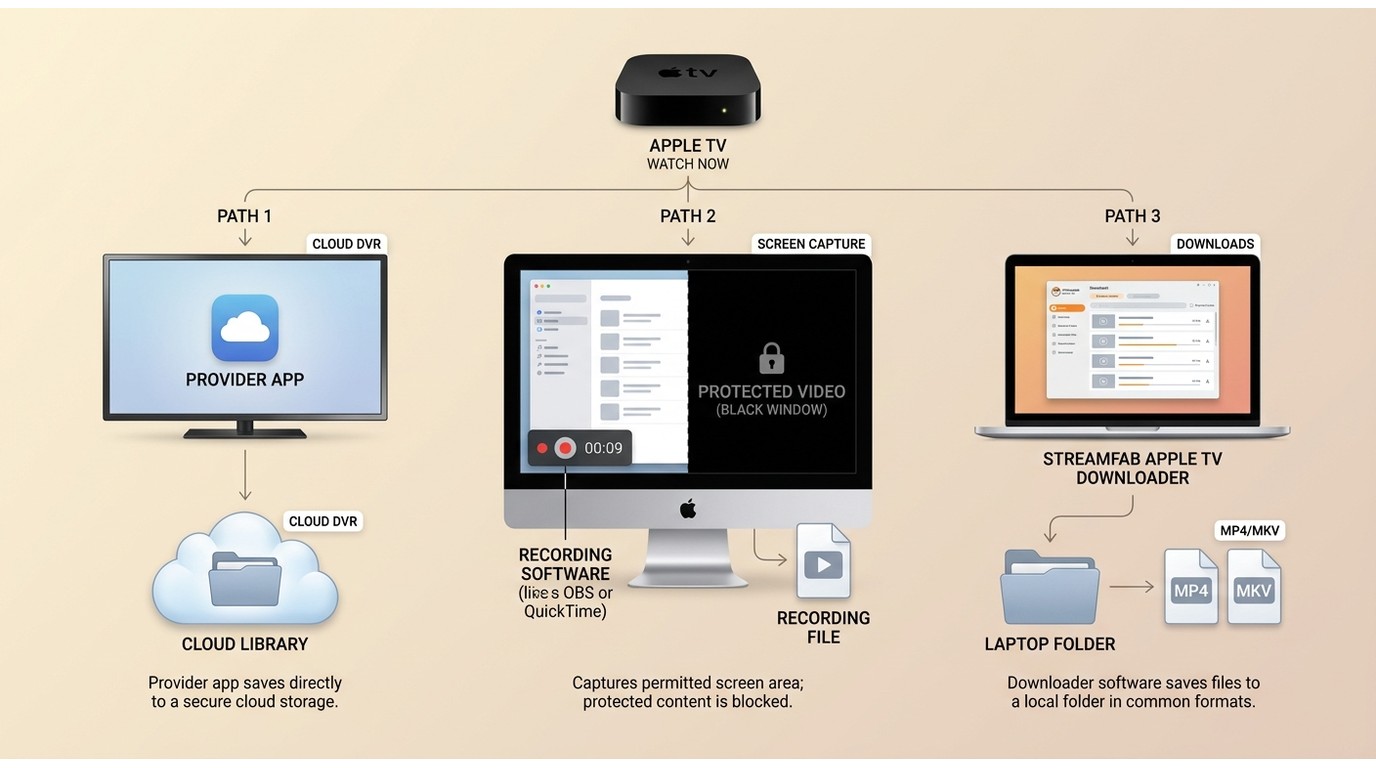
Apple TV does not offer one universal recording feature. Some TV-provider apps offer cloud DVR, which saves eligible programs to the provider’s cloud library rather than creating a portable video file. macOS and Windows screen-recording tools can capture supported screens, while local files require a separate authorized workflow.
Why Protected Video Turns Black
Protected Apple TV playback can show a black video area during screen recording while controls or audio remain visible. That limitation applies to protected content paths, not to every screen on a Mac or PC: menus, app demonstrations, gameplay, and other permitted unprotected screens may still be recordable. A black screen is a content-path limitation, not proof that all recording tools are broken.
Supported Screens and Browser Recording
Browser and operating-system settings can affect how an ordinary screen-recording session behaves, but they do not make protected Apple TV video universally recordable. For protected playback, use a provider feature such as cloud DVR or offline viewing when available. For permitted unprotected screens, confirm the result with a short sample before recording anything longer.
OBS Studio: Apple TV Capture Setup
OBS can record a supported video-capture-device input in real time. It is best for people who already have compatible hardware and need a live capture workflow. It is not ideal for protected playback, unattended full-length sessions, or anyone who wants a portable file without recording in real time.
Capture Card and HDMI Requirements
A live capture setup typically needs a source device, a compatible capture device, appropriate HDMI cables, and display passthrough if you need to watch on a TV while recording. Match the source, capture device, and OBS settings for resolution, frame rate, and audio routing. A capture card can record only a supported input; protected playback may remain unavailable. When that happens, choose provider-supported offline viewing, cloud DVR, or another permitted local-file workflow instead.
Configuring OBS Video Capture Device
Once a supported input appears in OBS, use a short validation recording before committing to a long session. Check audio sync, available storage, notifications, and playback stability. A five-minute sample is a practical starting point because a late failure can waste an entire real-time recording session.
- Step 1: Connect the Apple TV to the HDMI Splitter, then route it to your Capture Card connected to your PC.
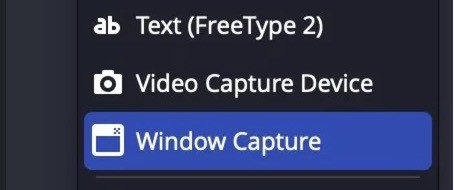
- Step 2: Open OBS Studio, click the "+" in the Sources panel, and select "Video Capture Device."
- Step 3: Select your capture card from the Device dropdown. If you're building a library, set the output to Apple TV to MP4 or MKV format in the OBS Output settings.
- Step 4: Check audio sync, source matching, available storage, and notification settings before starting a long recording.
Practical check: Before a long OBS session, confirm that your capture device detects the supported input, that audio stays in sync, and that your recording drive has enough available space.
Choose by Device and Output Goal
The useful question is not which Apple TV recorder is strongest, but what you need to keep. Cloud DVR is for convenient watch-later access, screen capture is for supported screens or live inputs, and a local file is for authorized viewing where the service terms and applicable law permit it.
| Decision factor | Provider-app cloud DVR | Mac Screenshot or QuickTime | OBS with supported capture hardware | RecordFab | StreamFab Apple TV Downloader |
|---|---|---|---|---|---|
| Best for | Watching eligible TV later in the provider app | Permitted unprotected Mac screens | Live capture from a supported input | Windows browser-based recording | Authorized local files with selectable options |
| Not ideal for | Portable files or universal availability | Protected Apple TV playback | Unattended long sessions or protected inputs | Mac users or downloader-style track choices | Cloud-DVR-only needs or unauthorized content |
| Protected-content limitation | Availability depends on the provider and program | Apps may block recording | Records supported inputs only | Source and service compatibility apply | Use for authorized content where permitted |
| Output type | Cloud library entry | Screen-recording file | Recording file based on OBS settings | MP4 recording | MP4 or MKV local file |
| Portable MP4 or MKV | No | Not natively MP4 or MKV | Format-dependent | MP4 | MP4 or MKV |
| Audio and subtitles | Provider-dependent | System and app behavior varies | Depends on the supported input and settings | Source-dependent recording | Selectable audio and subtitle options |
| Real-time duration required | No | Yes | Yes | Yes | No |
| Cloud dependency | Yes | No after recording | No after recording | Service access required while recording | Service access required for authorized saving |
Comparison details are current as of July 2026.
The central trade-off is simple: cloud DVR prioritizes app-based convenience, recording tools require real-time sessions, and a local-file workflow prioritizes file choice when it is authorized and permitted.
RecordFab: Browser-Based Capture
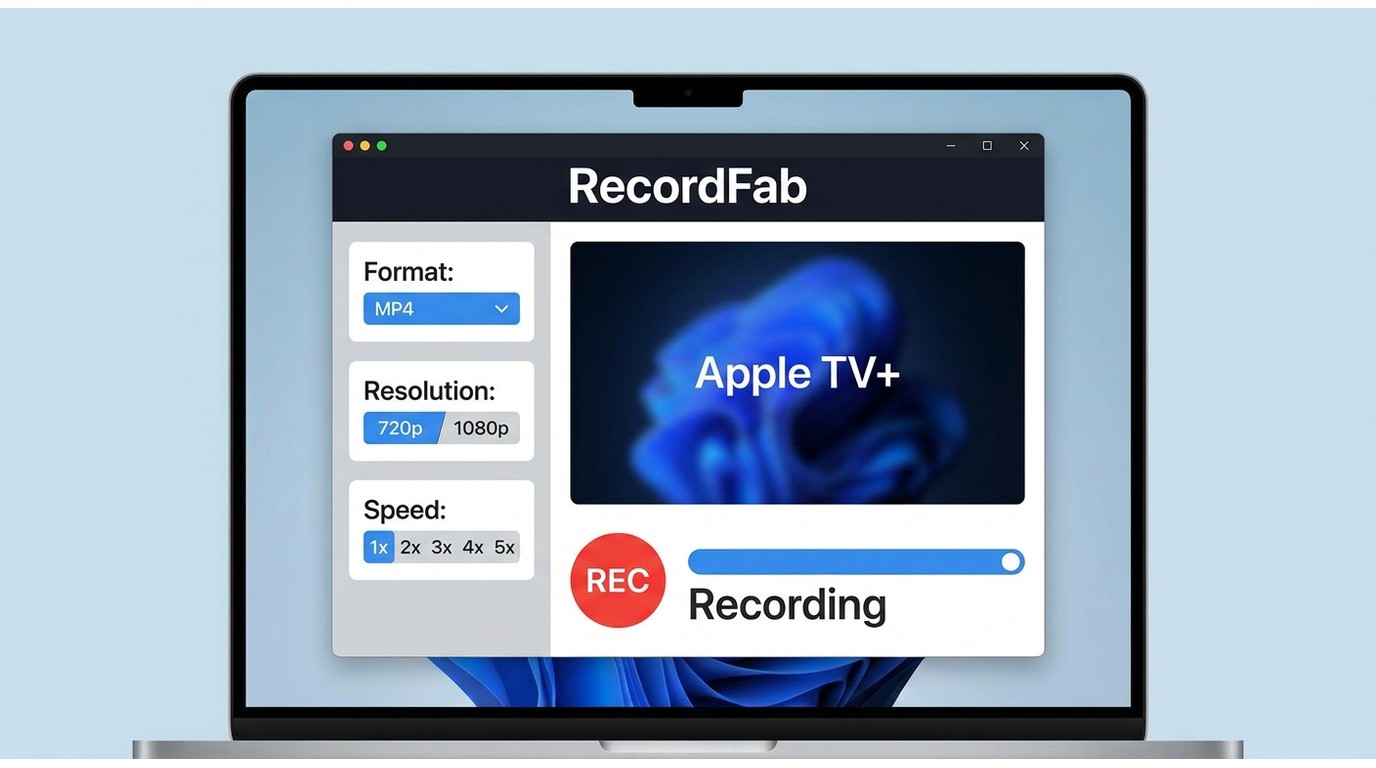
RecordFab is a Windows browser-based recording option with MP4 output, 720p or 1080p options, and 1x to 5x recording modes where supported by the source and service. It suits Windows users who prefer browser-based recording, but it is not ideal for Mac users or for people who need downloader-style audio, subtitle, and metadata choices.
RecordFab is a Windows browser-based recorder with MP4 output and 720p or 1080p options. Best for users who prefer recording supported browser playback rather than configuring OBS hardware.
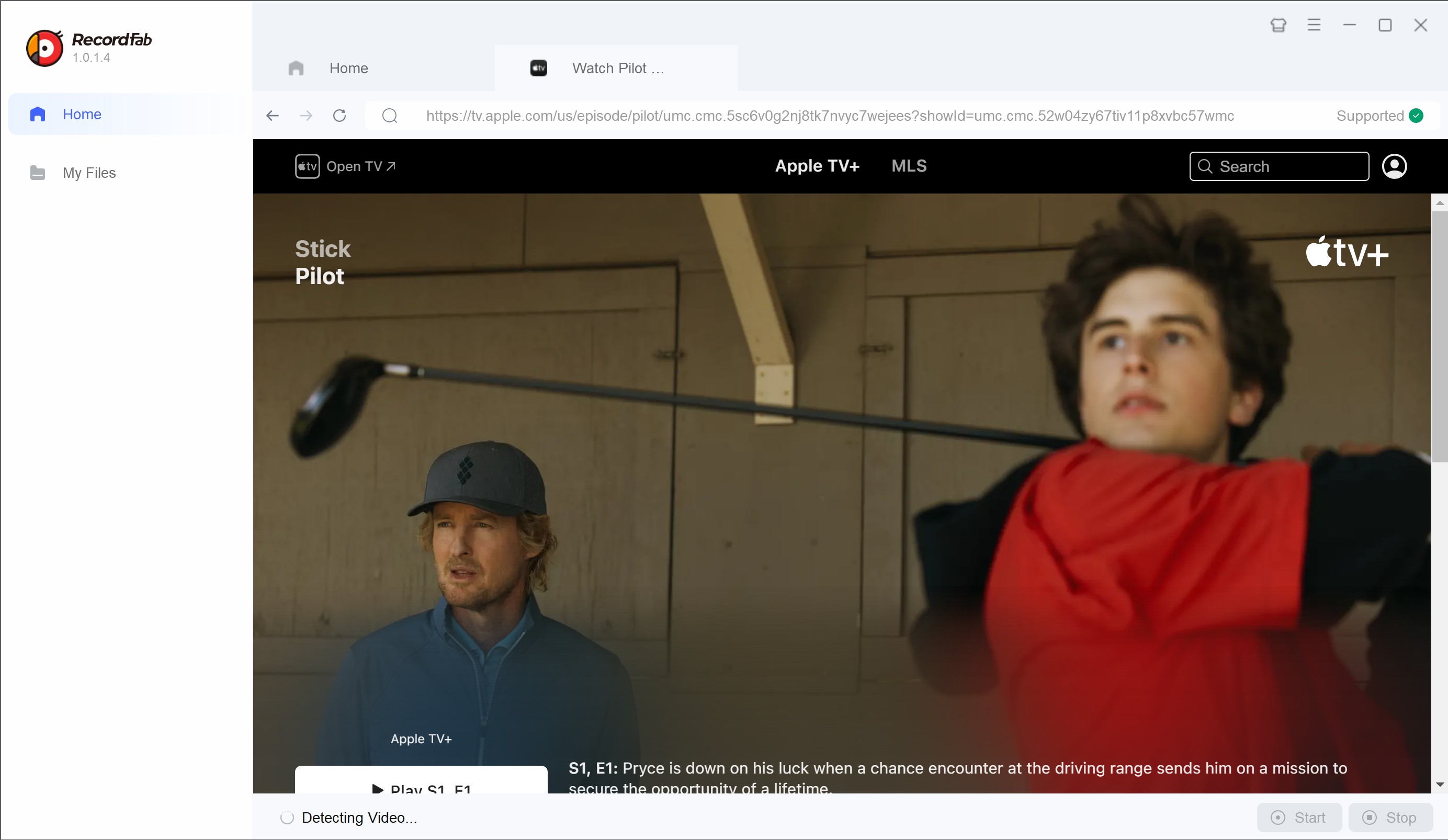
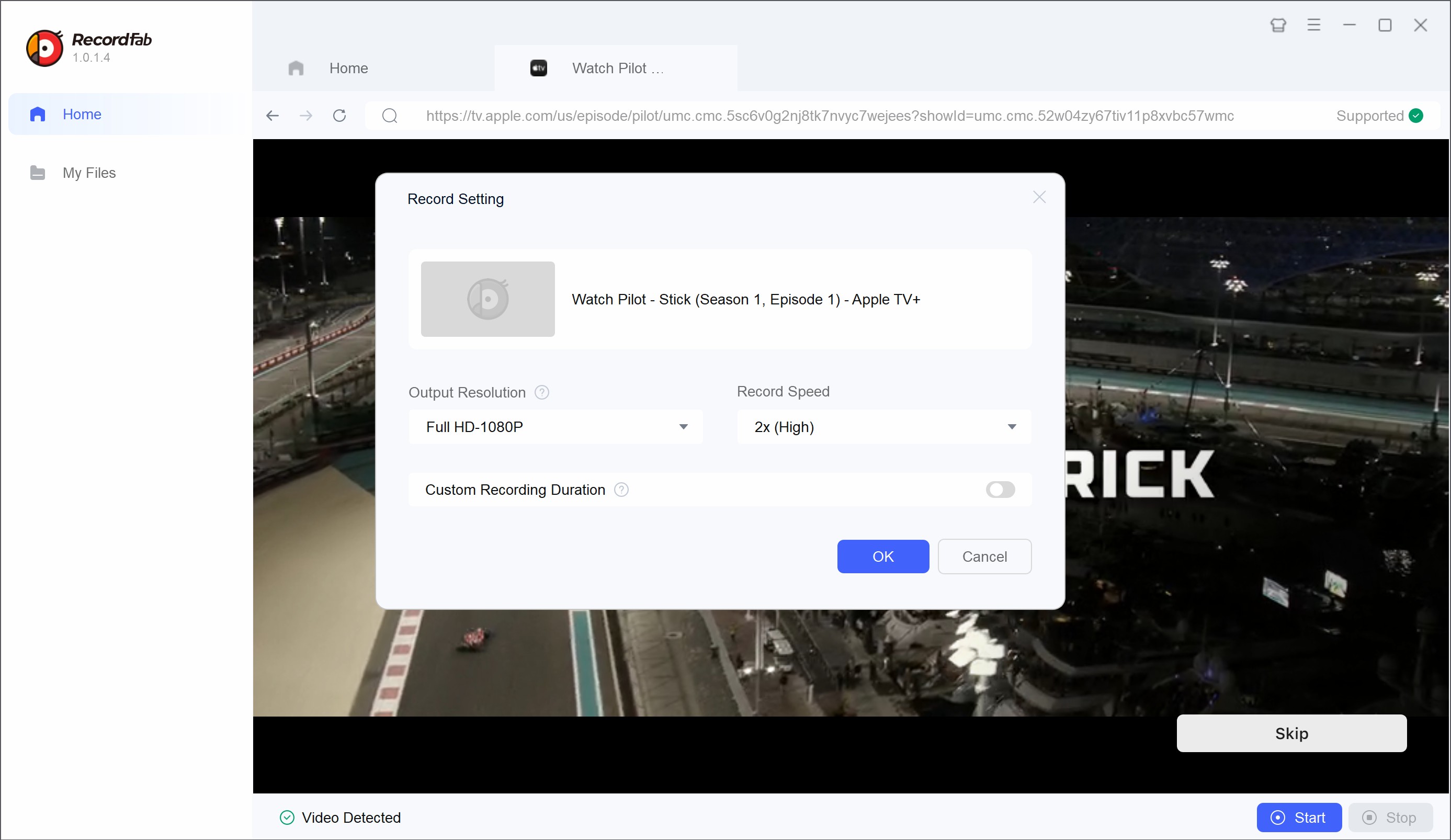
- Easy to operate and use.
- • Supports fast recording, saving time.
- • Supports background recording, so you can continue using your computer as normal.
- Only supports Windows systems; no Mac version available yet.
StreamFab: Local-File Workflow
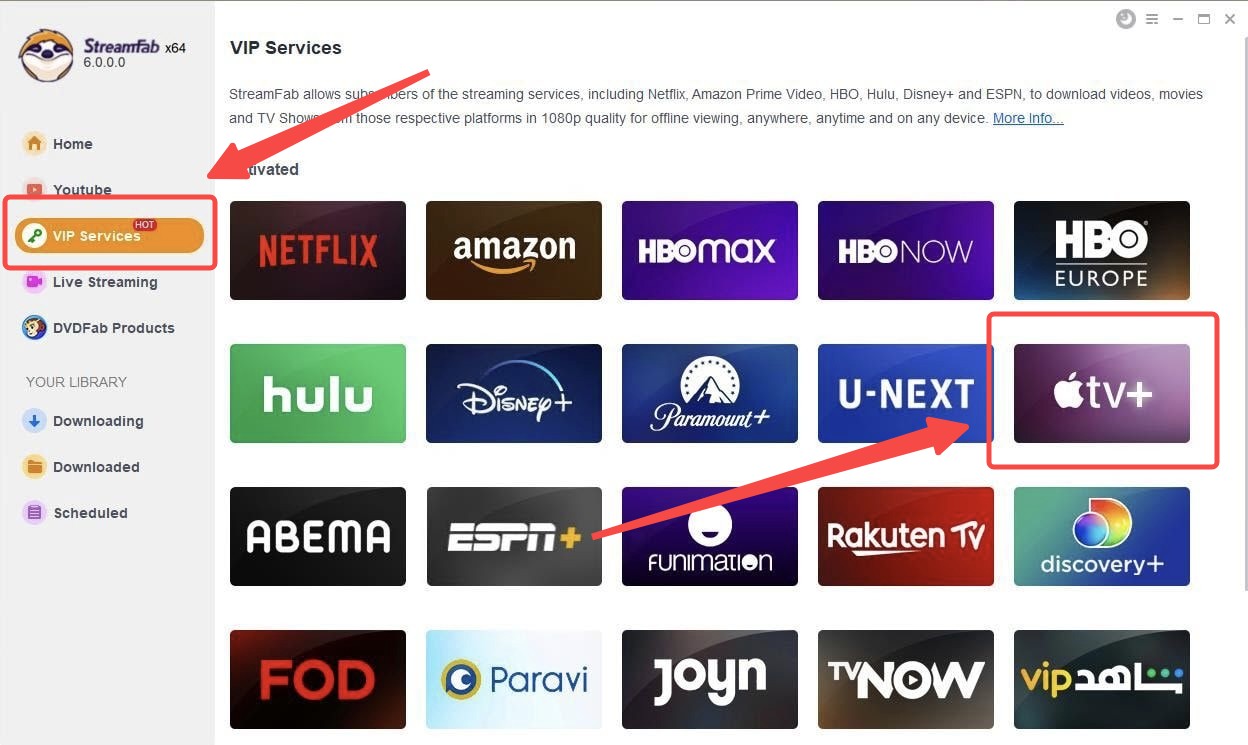
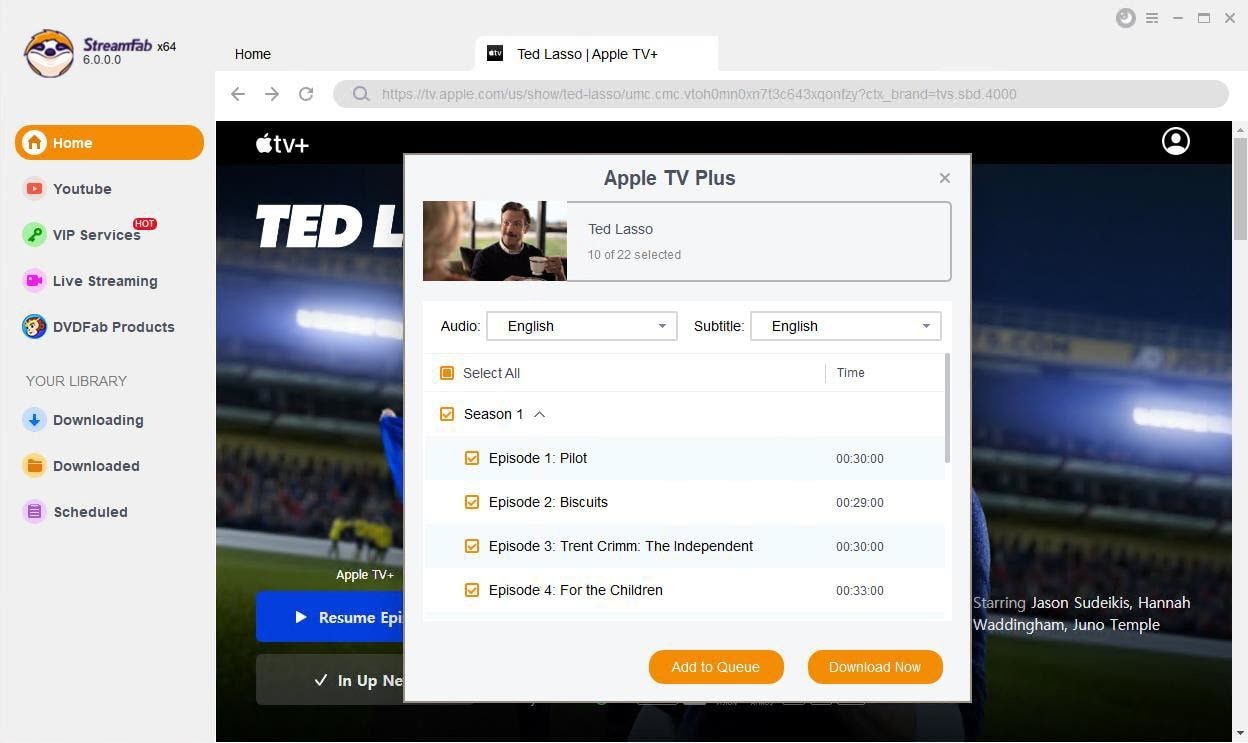
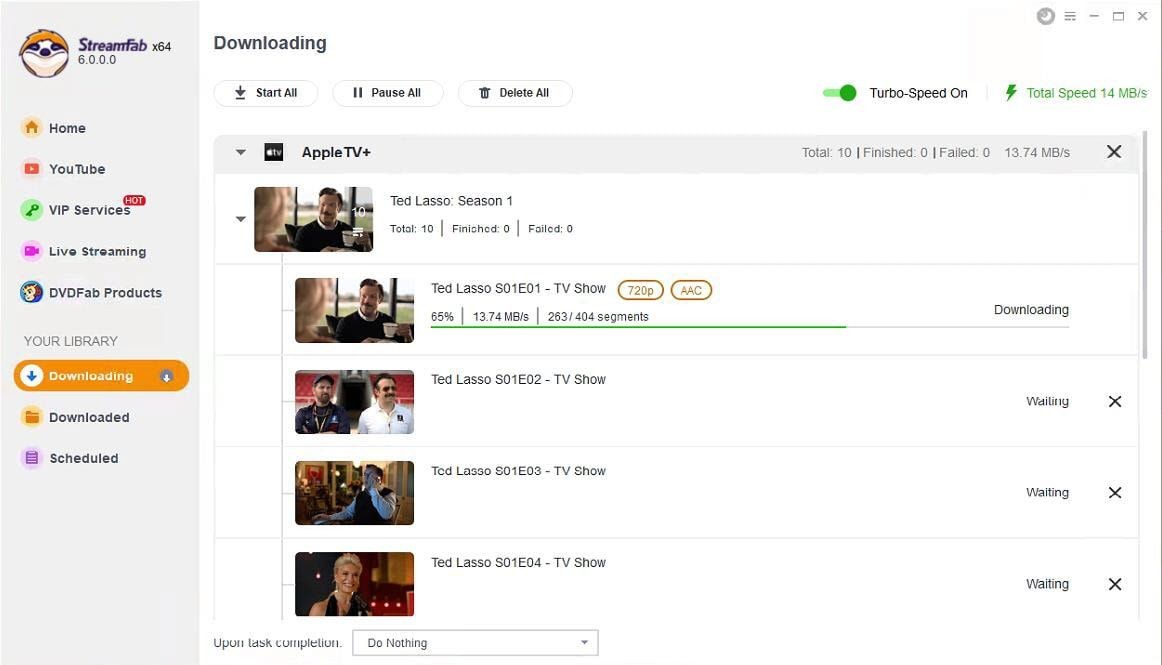
StreamFab Apple TV Downloader is separate from Apple TV’s official features and is intended for content you are authorized to access, subject to service terms and applicable law. It runs on Windows and Mac, supports MP4 or MKV local files, and offers selectable video, audio, and subtitle options, plus batch handling and scheduled episode downloads. This can suit viewers who need organized local files, including an Apple TV MP4 download, but it is not ideal when a provider’s cloud DVR is enough or when the viewer is not authorized to save the content. For show-specific context, see downloading Apple TV shows.
- Helps you save Apple TV content you’re legally allowed to access as high-quality 720p/1080p MP4 videos for personal offline viewing
- Download 5.1-channel audio, subtitles of your choice, metadata information, etc.
- Take advantage of auto-download TV episodes, batch mode, and blazing fast speed.
- Accessible to the free trial of all downloaders, including Netflix, Amazon, and more.
FAQs
Can QuickTime record Apple TV content on a Mac?
QuickTime Player and the Screenshot app can record a Mac screen. However, some apps may block protected playback, so a show can display a black video area even though other screens record normally. Use these tools for permitted unprotected screens, such as menus or demonstrations.
Why does iPhone recording turn black during Apple TV playback?
Protected Apple TV playback may block the video layer during iPhone screen recording while controls or audio remain visible. That is a playback limitation, not a phone setting to work around. Use provider-supported offline viewing when available, or a permitted desktop workflow if you genuinely need a local file.
Does OBS record Apple TV in real time?
OBS records a supported capture-device input in real time, so long programs require long sessions. Before starting, check storage space, audio sync, notifications, and stability with a short sample. Protected-input limitations can still prevent a capture from being available.
Conclusion
The most suitable route depends on what you need to keep, not on a universal winner. Use provider cloud DVR for convenient in-app watch-later access. Use Mac recording tools or OBS for supported unprotected screens and live inputs. RecordFab suits Windows browser-based recording, while StreamFab Apple TV Downloader suits authorized users who specifically need selectable local MP4 or MKV files. Each route has content, device, or service limitations, so choosing the intended output first is the clearest way to narrow the options.
This article and the tools mentioned are intended strictly for personal offline backup of streaming content for which you hold a legally valid subscription. Please respect copyright laws and the Terms of Service of streaming platforms. Do not redistribute saved content.

Official Apple TV downloads stay inside the app; they are not portable MP4 exports. Identify your source, choose an appropriate desktop or local-video workflow, and verify the completed file. Learn what FRAG and MOVPKG files mean and how to check playback before transferring videos or queuing a season.
By Erika Leen - Sep 24, 2026
While the Apple TV app offers offline viewing, the files are temporary and restricted. This guide explores the best ways to create a permanent personal backup of your purchased or subscribed content, ensuring flexible playback across all your devices without expiration.
By Erika Leen - Sep 18, 2026
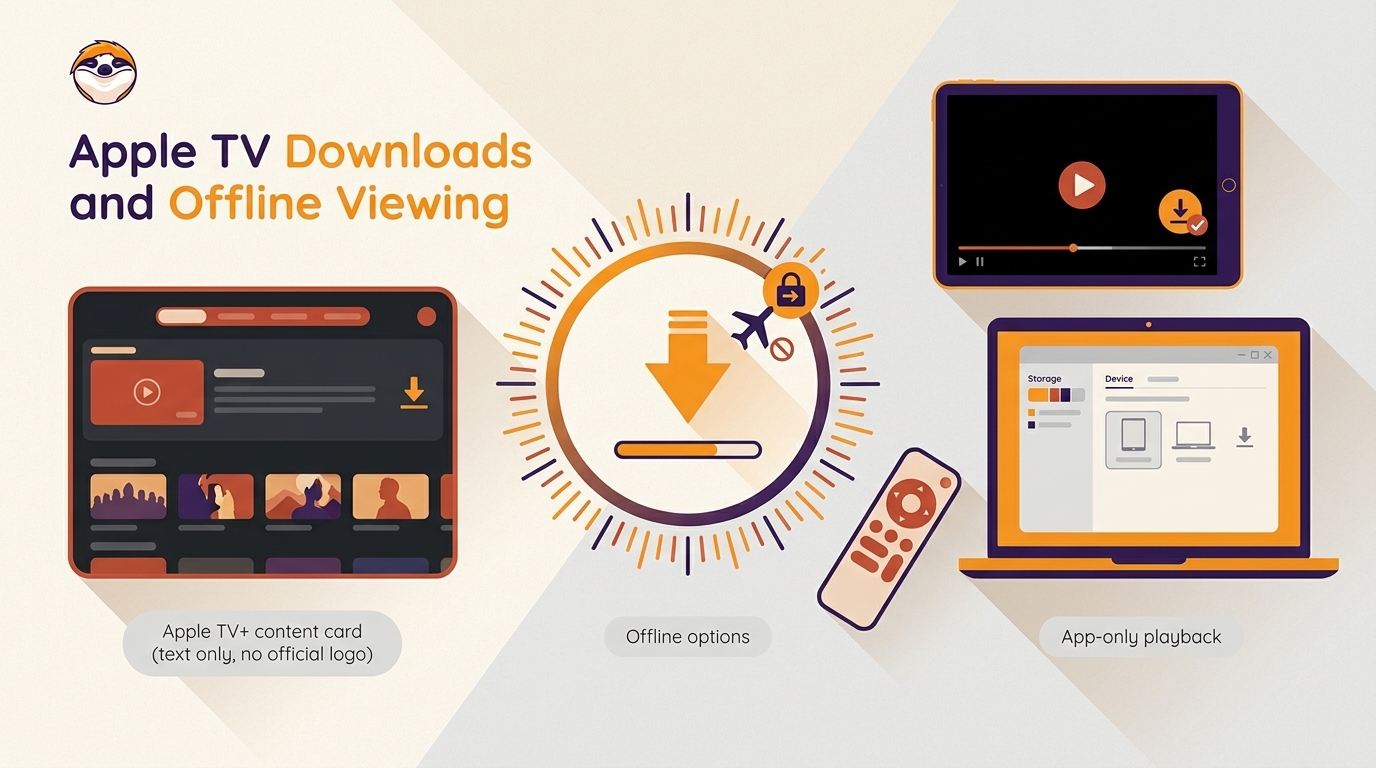
Learn how to download Apple TV+ shows on mobile and PC. Master 2026 techniques, fix HDCP black screens, and securely build your 4K offline library with the ultimate Apple TV 4K downloader.
By Jacob Harrison - Sep 15, 2026
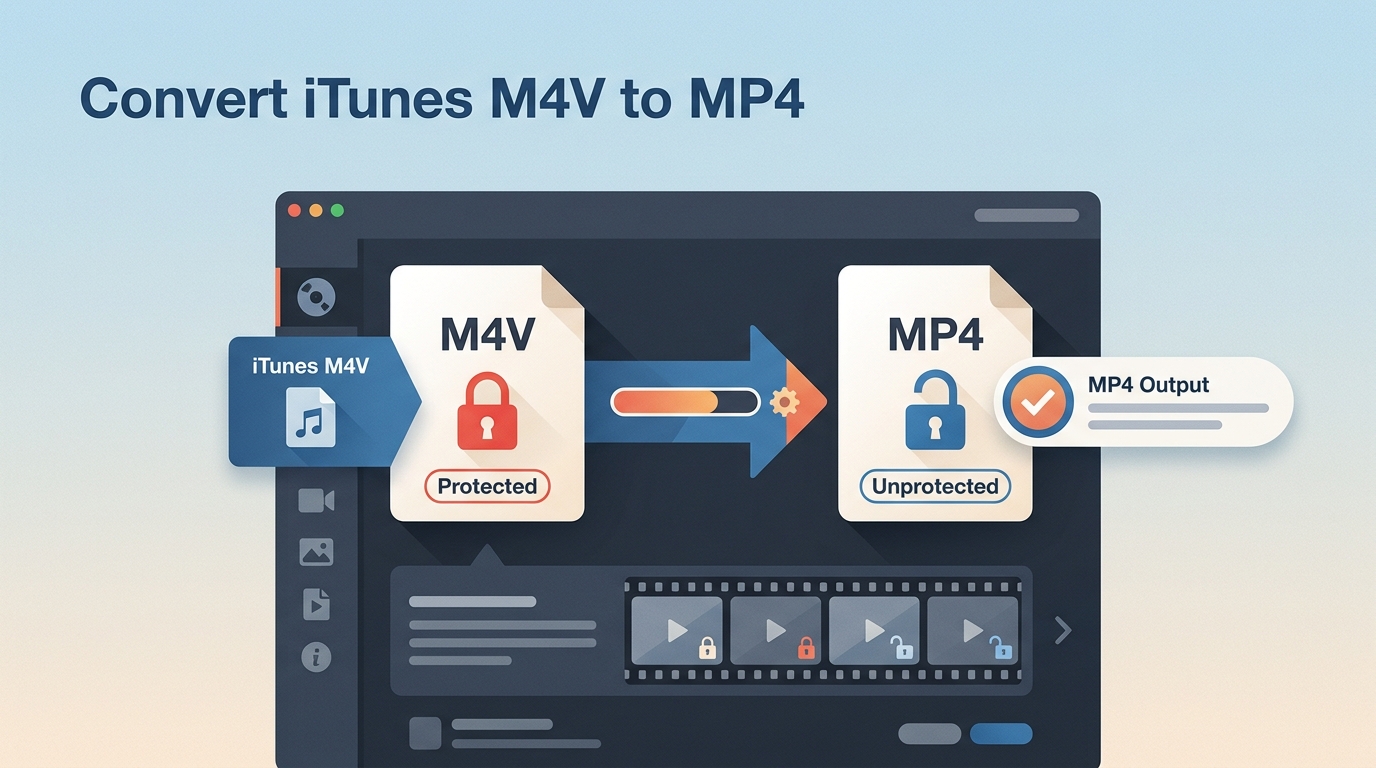
This guide provides a roadmap for creating personal, local backups by converting iTunes M4V files into the universal MP4 standard. We explore two kinds of methods: traditional file conversion for existing M4V downloads and direct high-fidelity downloading for modern 4K content.
By Jacob Harrison - Jul 27, 2026