Download from Wavve Korea: Official Offline Viewing vs Local Files

Summary: This article explains how to download Wavve videos for offline use, even if you're outside Korea. It compares the official app with alternative methods, covering quality, subtitle support, and safety tips.
Table of Contents
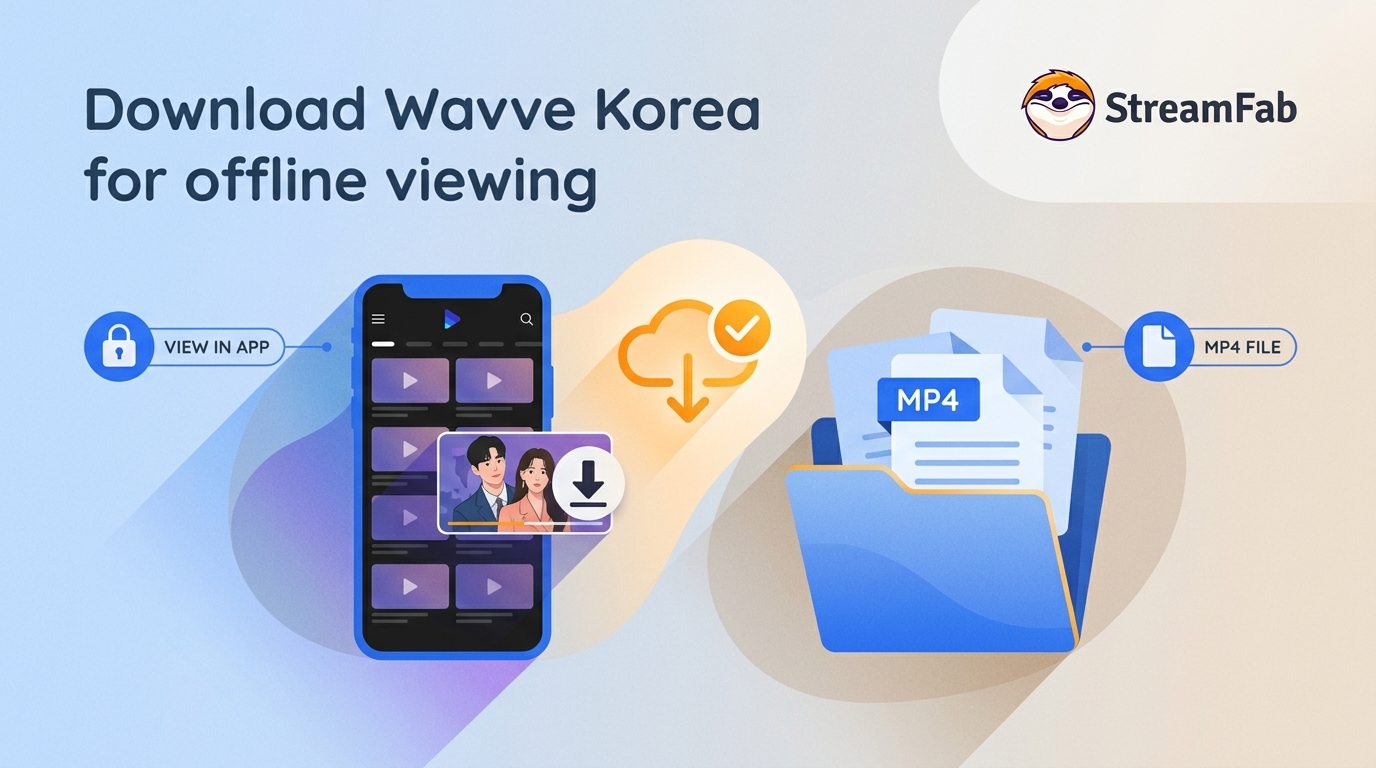
For US viewers, downloading from Wavve Korea starts with two separate questions, not a tool search: is the title officially available where you are (direct Wavve Korea or through KOCOWA+), and does "download" mean the in-app offline button or a standard MP4/MKV file on your drive? I've hit both walls as a longtime KOCOWA+ subscriber who occasionally wants a local copy for a flight, and mixing them up is what sends readers down the wrong rabbit hole.
This guide walks the decision in that order: access first, then the honest gap between official offline viewing and an authorized local file, then a bounded desktop workflow for content you're already entitled to watch.
What Wavve Korea Downloads Actually Mean
Wavve is the Korean streaming service jointly operated by SK Telecom and the major broadcasters (KBS, MBC, SBS). When US readers search "download from Wavve Korea," they usually mean one of three different things, and picking the wrong one wastes an afternoon:
- Installing the Wavve app (or hunting an APK) — a distribution question. Finding the app is easy; meeting Wavve's regional, account, and title-access requirements is the actual hurdle.
- Using Wavve's in-app offline feature — playback that stays inside the Wavve app on the device that saved it.
- Saving a standard MP4/MKV file — a portable local file you can drop into Plex, VLC, or a Jellyfin library. This is a separate workflow, only for content you're authorized to access and where platform terms and applicable law permit.
My take after years of bouncing between Wavve and KOCOWA+: readers who confuse #2 and #3 end up either disappointed by the in-app cache or chasing tools they don't actually need. Sort the intent first.
App Installation, Offline Viewing, and Local Files
The Wavve app is listed on Google Play and the Apple App Store, but store availability, account requirements, and playable titles depend on your region and the account tied to Wavve. Installing the app is not the same as being licensed to stream — sideloading an APK doesn't unlock content rights either.
Once inside the app, the official offline feature is designed for playback inside Wavve on the same device, not for exporting a media file. A standard MP4/MKV — the thing you can move to a NAS or play in VLC — comes from a different workflow entirely, and only makes sense for content you already have the right to watch.
The Best US Access Path Comes First
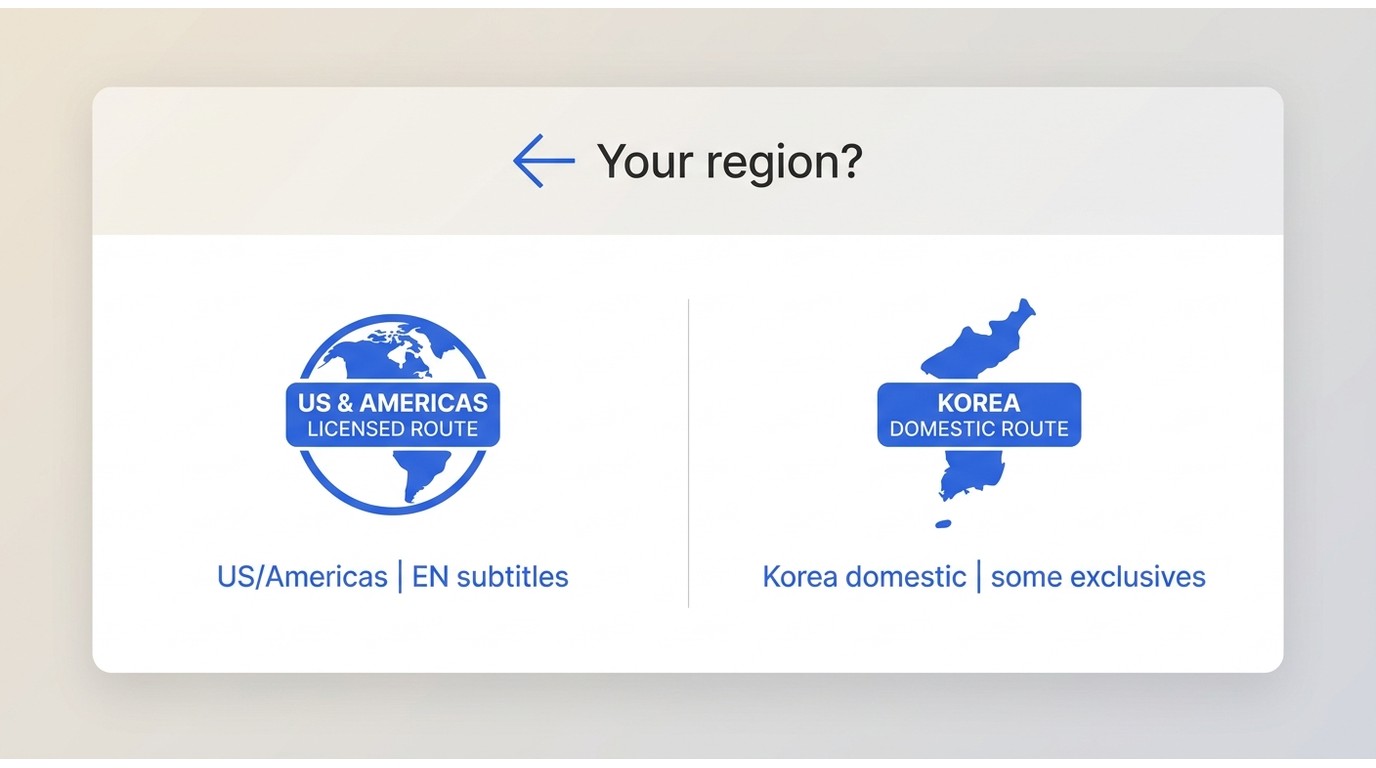
Before any download question, settle where you're allowed to watch. For US viewers, there are two official paths, and they don't compete so much as complement each other:
- KOCOWA+ is the official international service for Korean broadcaster content in the Americas, run in partnership with the same broadcasters behind Wavve. If the title you want is on KOCOWA+, that's your simplest, licensed route in the US.
- Direct Wavve Korea remains region-dependent, and title-level availability can differ from KOCOWA+ (some Wavve originals never cross over, some KOCOWA+ titles arrive with English subtitles Wavve doesn't offer).
Practically speaking: check the specific title on KOCOWA+ first. If it's there, you're done thinking about "access." If it's Wavve-only, direct access depends on your account and region — VPN behavior with Korean services changes, and I'm not going to promise a workaround here.
KOCOWA+ and Direct Wavve Korea: How to Choose
This isn't a "which is better" contest. KOCOWA+ exists specifically so international viewers have a licensed path; Wavve Korea is the domestic service. If the show lives on KOCOWA+, use KOCOWA+. If it's Wavve-exclusive and you can lawfully access Wavve from where you are, that's a separate call. Neither service will guarantee identical catalogs or identical subtitle tracks title by title.
Official Offline Downloads Have Boundaries
Wavve's in-app offline button is real — it's just narrower than most search-driven readers assume. What actually determines whether it works for you is a small checklist, and specific values change over time, so treat the app's current in-product screens as the source of truth (as of August 2026).
Eligibility Depends on Plan, Device, and Title
- Plan — Wavve's subscription tiers and any offline-download entitlement can change; the plan comparison inside the app or on Wavve's official site is the only reliable current answer.
- Device — offline is generally a mobile-app feature on supported iOS/Android devices, not a desktop export.
- Region and account — the store, payment method, and account tied to Wavve affect what installs and what plays.
- Title rights — not every title is downloadable in-app, and licensing can differ between Wavve and KOCOWA+.
My honest read: if your use case is "watch tonight's episode on the subway tomorrow," the official offline feature is exactly what it's built for, and it's enough. The friction only shows up when readers want something the feature was never designed to do — a portable file.
In-App Viewing Is Not an MP4 Export
The official download saves playback data into the Wavve app on the device that saved it. It's not an MP4 you can email to yourself, drop onto a NAS, or open in VLC — that's by design, not a bug. Anything called a "download" that stays inside the player is offline viewing; anything you can move around and re-open with any player is a local file, which is a different workflow discussed below.

By the way, if you are exploring broader Asian platforms, Gagaoolala is a major hub with substantial Korean content. You can check out my previous archive notes on how to download videos from gagaoolala.
A Local-File Option for Authorized Viewing
If official offline viewing covers your need, stop here — it usually does. Read on only if you specifically need a standard local file for content you're authorized to access, where platform terms and applicable law permit. Screen recording tools like OBS are sometimes suggested, but downloading and recording are different workflows with different quality, playback, and time trade-offs, and recording protected streams is generally unreliable.
Why Hardware Acceleration Blocks Recording
The black screen phenomenon is triggered by Widevine L1 rendering logic combined with HDCP (High-bandwidth Digital Content Protection) 2.3 protocols.
While disabling Hardware Acceleration in Chrome might sometimes revert the stream to a lower Widevine L3 state (allowing screen capture), Wavve's 2026 update penalizes this by instantly downgrading the resolution to 480p and introducing severe stuttering. Therefore, recording is no longer a viable option for high-fidelity preservation.
Where StreamFab Fits — and Where It Doesn't
For content you're authorized to access, where permitted by platform terms and applicable law, StreamFab is one desktop option that produces a standard MP4 or MKV local file on Windows or Mac. It's a third-party tool relative to Wavve's own offline feature, and it presupposes a valid subscription plus personal, private offline use.
Best for: Windows or Mac users who genuinely need portable local files, want batch or scheduled runs across a season, and are comfortable working through a desktop app.
Not ideal for: anyone whose target title isn't licensed in their region, viewers who only need occasional in-app offline playback (Wavve's own feature is simpler), or readers hoping to keep watching after canceling a subscription — that's not what a local-file workflow legitimately enables.

Acts as a specialized browser environment. Instead of screen recording, it negotiates directly with the platform's server, handles the Widevine handshake, and downloads the raw 1:1 bitstream. This means zero quality loss, no CPU/GPU recording overhead, and permanent MP4 files
Quality, Audio, and Subtitles Depend on What Wavve Serves
Here's the part I wish more tool reviews were honest about: the ceiling isn't the software, it's the source. StreamFab is a desktop app for Windows 10/11 and macOS that outputs MP4 or MKV, batches queued episodes, and supports scheduled runs — but the available video quality, audio tracks, and subtitles it can save depend entirely on the streams Wavve makes available to your account for that specific title.
Translation: if a Wavve title only ships with Korean subtitles for your account, no downloader invents an English track. If a title is capped at 720p on your plan and region, the local file will be too. Availability matters more than any headline maximum — I've had episodes save cleanly at 1080p with a multichannel Korean track, and others come through at 720p stereo because that's what the source offered that night.

The Desktop Workflow in Three Steps
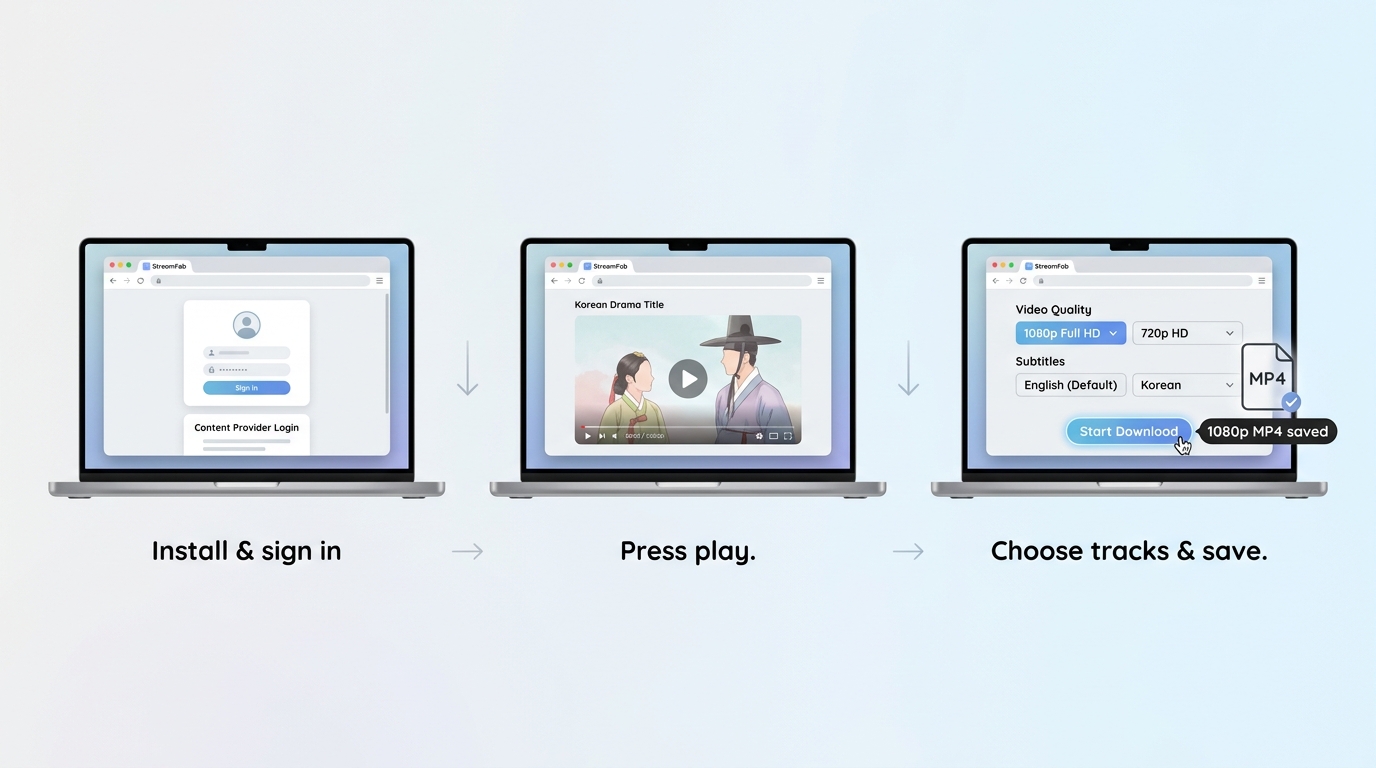
Prerequisites: a Windows or Mac machine, a valid Wavve subscription tied to your account, and a title you're authorized to watch.
Step 1: Install and sign in
Install StreamFab on Windows or Mac, open the built-in browser, go to Wavve, and sign in with your own account.
Step 2: Open an authorized title
Navigate to a title your subscription actually plays, and press play. Don't try to route around access — if the title won't play in the built-in browser, the download isn't the problem.
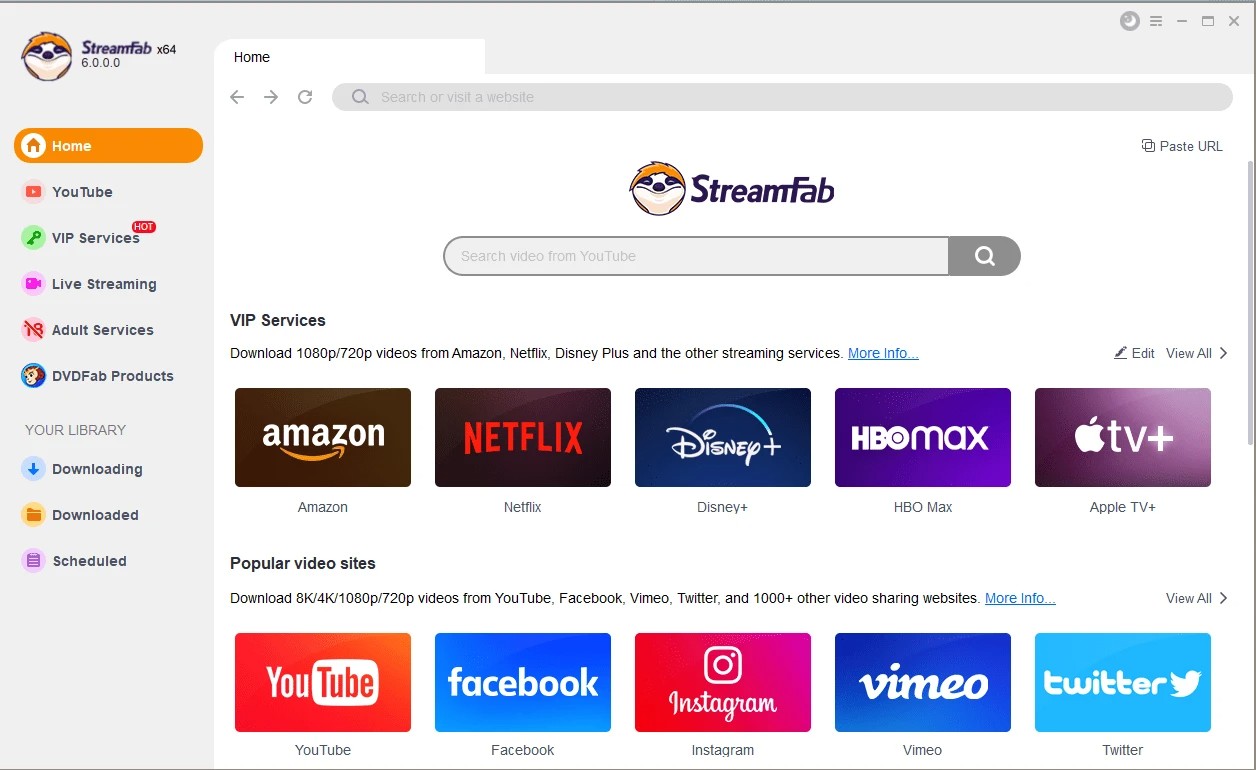
Step 3: Choose available options and save
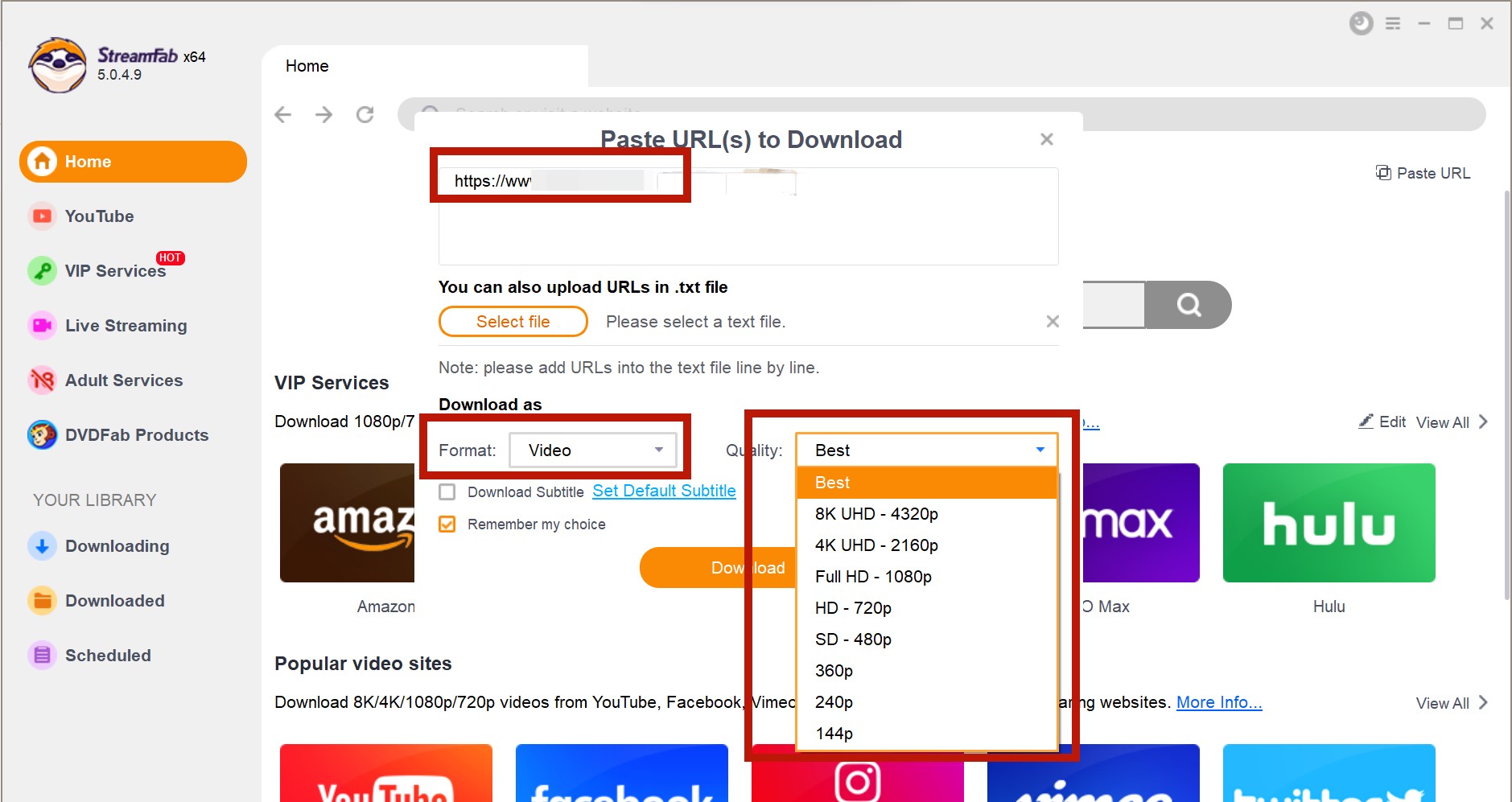
A configuration window will show the video, audio, and subtitle tracks the source actually offers for that title. Pick from what's there — if 1080p or an English subtitle isn't listed, it wasn't served — start the save, then open the finished MP4/MKV in your player to verify it plays end to end.
Readers comparing availability across Korean services can browse a wider Korean drama download resource to see which titles live where.
Official Offline Viewing vs a Desktop Local File
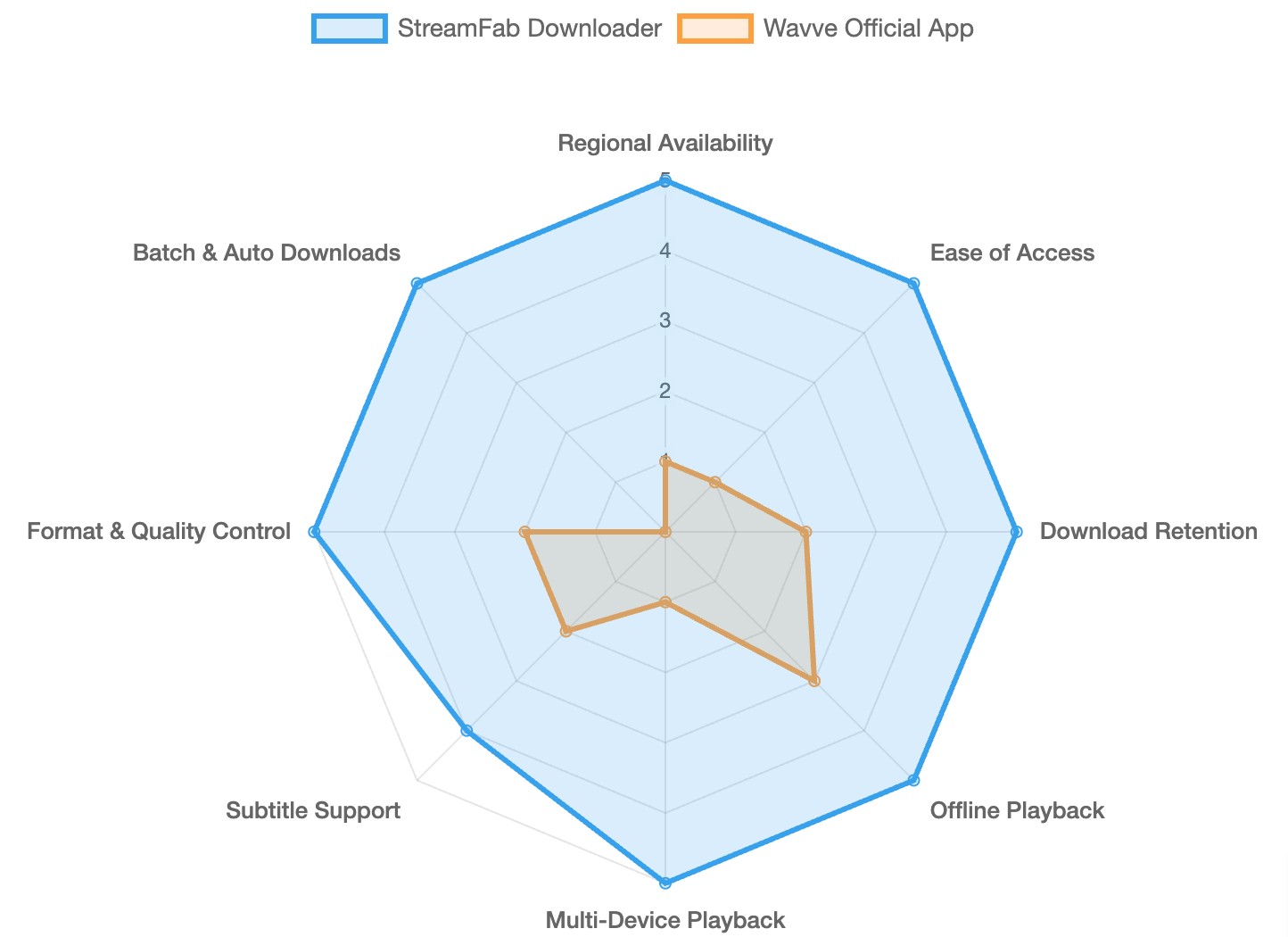
One last decision layer before you spend any time installing anything. The table below compares Wavve's own offline feature with the desktop local-file workflow across the dimensions US readers actually weigh — not DRM plumbing. Both options have real trade-offs; if a row looks one-sided, it's because that dimension genuinely favors one workflow.
| Decision dimension | Wavve official in-app offline | StreamFab desktop local file |
|---|---|---|
| Best for | Quick offline playback on the phone that saved it | Portable local file for authorized personal viewing |
| Access prerequisite | Active Wavve subscription with in-app offline entitlement | Active Wavve subscription plus a Windows or Mac desktop |
| Where playback happens | Inside the Wavve app on the saving device | Any standard MP4/MKV player (VLC, Plex, Jellyfin) |
| Standard local file you can move | No — playback stays in the app | Yes — MP4/MKV on your drive |
| Available video quality | Depends on plan, device, and title | Depends on the streams the source offers for that title |
Frequently Asked Questions
Conclusion
The tidy version of everything above: US viewers should settle the access question before touching a tool. Check KOCOWA+ first — for most Korean broadcaster titles in the Americas, that's the licensed shortcut. If the title is Wavve-exclusive and you can lawfully reach Wavve, decide next whether you actually need a portable file or just offline playback on the phone in your pocket. Wavve's own offline feature handles the second case well enough that most readers can stop there.
The desktop local-file workflow only earns its complexity when you specifically need a standard MP4/MKV for authorized personal viewing, on a device the mobile app doesn't reach. Pick the lawful path first, then the method that fits — in that order, not the other way around.

Are you looking for the best media converter Mac software to address iTunes playback restrictions? Having a reliable video tool at hand will enable you to enjoy your iTunes movies and music for offline play flexibly. You have come to the right page. This post lists the top 5 best converters for Mac used to back up iTunes videos, audiobooks, and Apple Music on Mac easily.
By Nicole Lopez - Sep 29, 2026
Streaming video content is often protected by DRM (Digital Rights Management) technology to prevent users from downloading and recording. This article explains what DRM-protected content is and how to save videos for personal offline viewing.
By Nicole Lopez - Sep 28, 2026
This guide separates modern Apple TV video, Apple Music audio, and legacy iTunes libraries so readers can choose a realistic playback or export path. It covers MP4, M4V, and MKV compatibility, official redownload and iTunes Match eligibility, StreamFab and MusicFab workflows, hardware limits, and the boundaries for authorized personal use in the United States.
By Nicole Lopez - Sep 20, 2026
Identify protected and unprotected M4V files, use authorized Apple TV playback, convert compatible files, or choose a separate supported-streaming workflow.
By Erika Leen - Sep 8, 2026